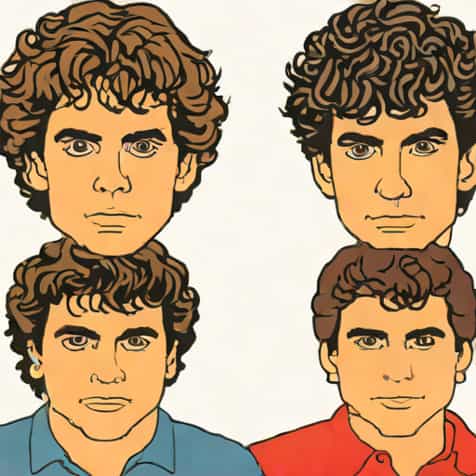
The story of the Menendez brothers has captivated public attention for decades, not only for the shocking nature of their crimes but also for the peculiar details surrounding their lives, including aspects as unusual as the infamous toupee. The Menendez case, which involves the brutal murder of their parents in Beverly Hills, California, remains one of the most sensational criminal trials in American history. Over the years, media coverage has dissected every facet of their lives, from family dynamics to psychological assessments, and even appearances, such as the hairpiece worn by one of the brothers during court proceedings. The toupee, seemingly trivial at first glance, became a minor but intriguing detail that sparked discussion about image, perception, and the pressures of high-profile legal battles.
Background on the Menendez Case
In 1989, Lyle and Erik Menendez were accused of murdering their wealthy parents, José and Kitty Menendez, in their Beverly Hills home. The case quickly gained national attention due to the shocking nature of the crime, the affluent background of the victims, and the complex psychological elements presented during the trial. The brothers claimed that years of emotional and sexual abuse drove them to the act, sparking debate and extensive media coverage. As the trial progressed, public interest was not only focused on the legal proceedings but also on the personal presentation and demeanor of the brothers in court, including Lyle Menendez’s decision to wear a toupee.
The Toupee and Public Perception
Lyle Menendez’s choice to wear a toupee during the trial drew considerable attention from both media outlets and the public. The hairpiece, designed to present a polished and controlled image, highlighted the importance of appearance in high-profile legal cases. Observers noted that the toupee seemed to serve a dual purpose concealing hair loss and projecting an image of normalcy and composure amidst the chaos of the courtroom. For many, this small detail became symbolic of the broader strategies employed by the brothers to influence perception, both legally and socially.
Media Coverage and Public Reaction
Media outlets extensively covered the Menendez trial, often focusing on minute details that added color to the proceedings. The toupee, while seemingly minor, became a recurring topic in discussions about the brothers’ courtroom strategy. Some commentators suggested that the toupee represented an attempt to mask vulnerability or create a sense of control, while others viewed it as a superficial distraction from the seriousness of the trial. Public reaction was mixed, with some audiences ridiculing the choice and others acknowledging it as a natural human desire to maintain appearance under intense scrutiny.
Psychological Implications
Beyond public perception, Lyle Menendez’s toupee also offers a window into psychological aspects of the case. Maintaining an appearance of control and composure is often critical for individuals facing high-stress situations, and the toupee could be interpreted as an extension of this coping mechanism. Experts in forensic psychology have discussed how small personal choices, such as clothing and grooming, can influence jury perception and self-confidence during trials. In this context, the toupee was more than just a cosmetic accessory; it played a subtle role in the presentation of the defendant’s psychological state and the narrative crafted by the defense team.
Fashion and Legal Strategy
In high-profile trials, image management is often a critical component of legal strategy. Lawyers frequently advise clients on dress, grooming, and general appearance to create a favorable impression on the jury. Lyle Menendez’s toupee can be seen within this broader framework of courtroom image management. By presenting a more conventional and composed appearance, he and his legal team aimed to mitigate negative perceptions and emphasize credibility. This strategy underscores how minor details, such as a hairpiece, can influence the subtle dynamics of courtroom proceedings and media coverage.
Cultural Commentary
The attention given to the Menendez brothers’ toupee also highlights cultural attitudes toward appearance, masculinity, and aging. Hair loss, while a natural part of life, often carries social stigma, particularly for men in high-profile situations. Lyle’s decision to wear a toupee can be interpreted as a reflection of societal pressures to maintain youthfulness and control, even in situations of extreme stress. This aspect of the trial invites broader discussion on how personal appearance intersects with public perception, legal strategy, and media fascination in contemporary society.
The Toupee in Retrospect
Today, discussions about the Menendez trial often focus on the legal outcomes, psychological testimony, and the cultural impact of the case. However, minor details like the toupee remain a point of curiosity, demonstrating how even seemingly trivial elements can become significant in the public consciousness. The toupee symbolizes the layers of complexity surrounding high-profile criminal cases, where every detail, no matter how small, can influence perception and narrative. Scholars, journalists, and true crime enthusiasts continue to analyze these details to understand the interplay between media, law, and human behavior.
The Menendez brothers’ case exemplifies how high-profile trials capture not only legal attention but also public imagination, with every detail scrutinized for meaning and implication. Lyle Menendez’s toupee, though minor in the context of the crimes committed, provides insight into the importance of image management, psychological strategy, and societal expectations. It reflects the pressures faced by defendants in the public eye and the ways in which personal choices intersect with legal and media narratives. As true crime remains a compelling genre, the discussion of such details continues to engage audiences, demonstrating that even the smallest elements of a case can resonate far beyond the courtroom.
Key Takeaways
- The toupee highlighted Lyle Menendez’s effort to maintain control and composure during a high-stress trial.
- Media attention to appearance illustrates society’s fascination with minor details in sensational cases.
- Psychological and strategic considerations often inform seemingly trivial choices, such as grooming and dress.
- Public perception can be influenced by subtle elements, affecting how defendants are judged in and out of court.
- The Menendez case continues to serve as a reference point for discussions on true crime, media scrutiny, and courtroom strategy.