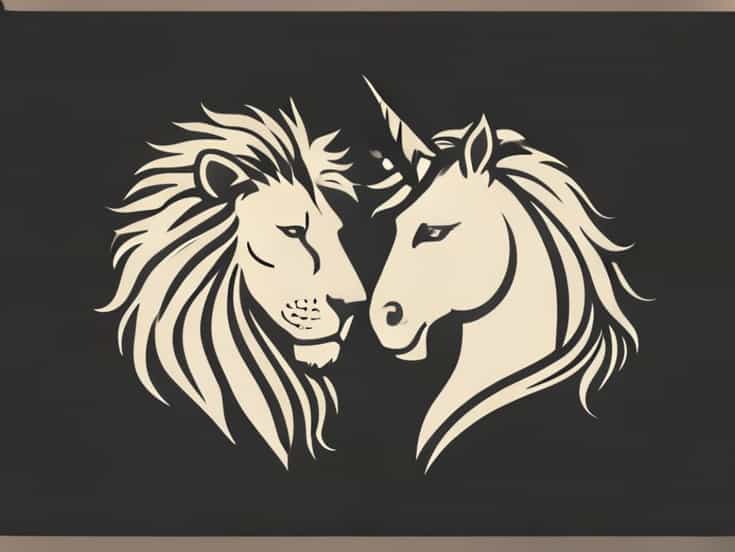
The Lion and the Unicorn is a famous political cartoon and metaphor that captures the rivalry between two of the most influential British politicians of the 19th century William Ewart Gladstone and Benjamin Disraeli. These two statesmen, representing the Liberal and Conservative parties respectively, shaped Victorian politics through their differing ideologies, policies, and approaches to governance. The lion and the unicorn, symbols from the British coat of arms representing England and Scotland, became a cultural lens through which contemporary observers commented on the political conflicts of the era. Understanding the Gladstone vs Disraeli rivalry through this lens provides insight into Victorian political culture, party dynamics, and public perception of leadership.
The Historical Context of Gladstone and Disraeli
William Ewart Gladstone and Benjamin Disraeli were dominant figures in British politics from the mid-19th century to the early 1880s. Gladstone, a member of the Liberal Party, was known for his moralistic and reformist approach, advocating for policies such as expanded voting rights, Irish Home Rule, and fiscal responsibility. Disraeli, the leader of the Conservative Party, emphasized the importance of empire, national prestige, and social reform within a framework of conservatism. Their political battles were not only about specific policies but also about competing visions for Britain’s future, its role in the world, and the relationship between government and society.
The Lion and the Unicorn as Symbols
The phrase The Lion and the Unicorn derives from heraldic symbols of the United Kingdom. The lion traditionally represents England, signifying strength, courage, and leadership. The unicorn represents Scotland, embodying purity, independence, and a sense of idealism. In political commentary, these symbols were used to depict the contest between two forces or visions, in this case, the political ideologies of Gladstone and Disraeli. Cartoons and publications of the period often used the imagery to illustrate the conflicts between Liberal reformist principles and Conservative imperial ambitions.
Gladstone The Liberal Lion
Gladstone was often associated with the lion in political cartoons because of his commanding presence, intellectual rigor, and dedication to principle. He championed liberal reforms aimed at expanding political participation, promoting education, and improving economic fairness. Some of his notable initiatives included
- Repeal of certain taxes and duties to alleviate economic burdens on the population.
- Support for civil service reform to reduce patronage and corruption.
- Promotion of Irish Home Rule, aiming to grant Ireland greater self-governance.
- Advocacy for moral and ethical governance, reflecting his personal beliefs in public service and accountability.
Gladstone’s approach was often idealistic, appealing to reason, morality, and public opinion. His emphasis on reform and ethical governance made him a polarizing figure, celebrated by supporters and criticized by opponents who viewed him as too idealistic or impractical.
Disraeli The Conservative Unicorn
Benjamin Disraeli, in contrast, was frequently depicted as the unicorn, reflecting his unique approach to leadership, flair for rhetoric, and emphasis on British tradition and imperial strength. Disraeli believed in the importance of a strong monarchy, a vibrant empire, and social reform that maintained social cohesion rather than challenging established hierarchies. Some of Disraeli’s significant achievements include
- Expansion of the British Empire, including acquisitions in Africa and India.
- Implementation of the Second Reform Act in 1867, which extended voting rights to working-class men.
- Promotion of social reforms, such as housing improvements and public health initiatives, to address the conditions of the urban poor.
- Use of rhetoric and symbolism to unify public sentiment around national pride and conservatism.
Disraeli’s leadership was pragmatic and theatrical, often appealing to emotion, tradition, and loyalty. His policies sought to balance progress with stability, earning both admiration and criticism for perceived opportunism or manipulation of public opinion.
The Rivalry Between Gladstone and Disraeli
The Gladstone vs Disraeli rivalry extended beyond policy debates into personal, cultural, and symbolic domains. Both men were prime ministers at different times and frequently alternated in power during the Victorian era. Their contrasting political philosophies shaped parliamentary debates and public discourse. Gladstone’s moralism often clashed with Disraeli’s pragmatism, leading to a dynamic interplay of ideas and strategies that influenced legislation, foreign policy, and electoral politics.
Key Policy Conflicts
Some of the most significant areas of conflict between Gladstone and Disraeli included
- Foreign policy Gladstone criticized imperial expansion and military interventions, while Disraeli promoted the empire as essential to national prestige.
- Irish policy Gladstone advocated for Home Rule, whereas Disraeli supported the Union and emphasized central control.
- Economic reform Gladstone focused on fiscal responsibility and reducing taxation, while Disraeli emphasized social improvements and state intervention to maintain social harmony.
- Electoral reform Both leaders sought to expand the electorate, but through different strategies and with contrasting motivations.
Public Perception and Cultural Impact
The lion and the unicorn symbolism extended into popular culture, including cartoons, newspapers, and pamphlets, which often framed the political rivalry in visual and metaphorical terms. Gladstone was portrayed as principled but stern, while Disraeli was charismatic and cunning. These representations shaped public understanding of politics, emphasizing the clash between idealism and pragmatism, reform and tradition, and moral authority versus political savvy.
The Lasting Legacy of Gladstone and Disraeli
The rivalry between Gladstone and Disraeli had long-lasting effects on British politics and governance. It solidified the identities of the Liberal and Conservative parties and influenced the development of modern parliamentary democracy. Their debates over empire, reform, and morality continue to inform historical scholarship and public understanding of Victorian politics. The metaphor of the lion and the unicorn endures as a way to conceptualize political opposition, contrasting visions, and the interplay between principle and strategy in leadership.
Influence on Modern Politics
The Gladstone vs Disraeli dynamic provides lessons for contemporary politics, illustrating how ideological conflict can shape policy, culture, and national identity. Their approaches highlight the tension between idealism and pragmatism, the role of personality in leadership, and the impact of public perception on political success. Modern political leaders are often compared to these Victorian figures to assess strategies, charisma, and policy priorities.
The lion and the unicorn serve as enduring symbols for the rivalry between William Gladstone and Benjamin Disraeli, reflecting the contrasting ideologies and personalities that defined Victorian politics. Gladstone, the liberal lion, championed reform, morality, and parliamentary progress, while Disraeli, the conservative unicorn, promoted tradition, imperial expansion, and social cohesion. Their rivalry shaped legislation, foreign policy, and public opinion, leaving a legacy that continues to influence British political thought. By examining the Gladstone vs Disraeli conflict through the lens of the lion and the unicorn, we gain insight into the cultural, symbolic, and strategic dimensions of political leadership during one of the most formative periods in modern British history.