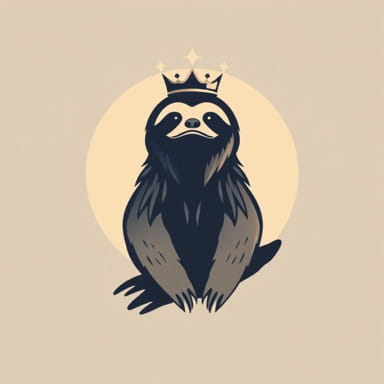
In a world that often celebrates speed, productivity, and constant activity, the concept of sloth stands out as a unique counterpoint. The King of Sloth embodies this idea in its purest form a figure, real or imagined, that reigns over the art of deliberate rest, slow movement, and minimal exertion. Exploring the King of Sloth invites us to reconsider our relationship with laziness, relaxation, and the natural pace of life. It challenges common perceptions and opens a space for appreciating the value of slowing down in an increasingly fast-paced world.
Who or What is the King of Sloth?
The term ‘King of Sloth’ can be interpreted in various ways depending on the context. In the animal kingdom, it might refer to the largest or most iconic of the slow-moving creatures known as sloths. In cultural or metaphorical contexts, it could symbolize a person, character, or concept that exemplifies extreme laziness or relaxation.
The Animal Kingdom’s Sloth Monarch
Among sloths, there are different species ranging in size and behavior, but the ‘King of Sloth’ might best be represented by the giant three-toed sloth, scientifically known asBradypus variegatus. This creature moves at a languid pace, spending most of its life hanging from trees, sleeping for up to 20 hours a day. Its slow metabolism and deliberate movements are adaptations for energy conservation in a low-nutrient environment.
Symbolic and Cultural Representations
In literature, art, or popular culture, the King of Sloth can be a symbolic figure representing the human tendency towards procrastination, rest, or resistance to hustle culture. This figure might be portrayed humorously or thoughtfully, inviting reflection on the balance between work and rest.
The Biology Behind Sloth Behavior
Understanding why sloths move so slowly offers insight into why the King of Sloth holds such a unique place in nature. Their slow movements are not just a quirk but a survival strategy.
- Metabolic Rate: Sloths have one of the slowest metabolic rates among mammals, allowing them to conserve energy.
- Camouflage and Safety: Slow movements make it harder for predators to detect them in the dense canopy.
- Diet: Their diet consists mainly of leaves, which provide limited energy, necessitating a slow lifestyle.
- Temperature Regulation: Their slow pace helps maintain a steady body temperature in a fluctuating environment.
The Philosophy of Sloth: Beyond Laziness
While sloth is often viewed negatively as laziness or idleness, philosophical interpretations invite a more nuanced understanding.
Sloth as Rest and Reflection
In many cultures, rest is valued as essential for mental and physical health. The King of Sloth can be seen as a guardian of rest, reminding us that slowing down is necessary for creativity, clarity, and well-being.
The Sin of Sloth vs. Healthy Rest
Historically, sloth was categorized as one of the seven deadly sins, associated with spiritual laziness and neglect of duty. However, modern perspectives differentiate between destructive laziness and the positive aspects of intentional rest. The King of Sloth symbolizes this latter, healthy approach.
Lessons from the King of Sloth
Embracing the qualities of the King of Sloth can teach valuable lessons about balance, patience, and sustainability.
Patience and Deliberate Action
Slow movement does not equate to ineffectiveness. The King of Sloth exemplifies how deliberate, measured actions often yield better results than rushed efforts. Patience allows for thoughtful decisions and reduces burnout.
Energy Conservation
In a world demanding constant output, conserving energy through rest and pacing is a form of wisdom. The King of Sloth shows that sustainability whether in work, lifestyle, or relationships requires recognizing limits and honoring them.
Mindfulness and Presence
Moving slowly invites mindfulness, a deeper awareness of surroundings and inner states. The King of Sloth teaches us to savor moments, appreciate small details, and live fully in the present.
Modern Implications: Sloth in the Digital Age
As technology accelerates life’s pace, the King of Sloth becomes an increasingly relevant figure, challenging the culture of busyness.
Digital Detox and Slow Living
The rise of slow living movements and digital detox trends echoes the King of Sloth’s principles. Taking breaks from screens, simplifying routines, and embracing downtime are ways people channel the spirit of sloth productively.
Counteracting Burnout
In workplaces and daily life, burnout has become a widespread problem. The King of Sloth serves as a reminder that rest is not weakness but a necessary strategy for long-term health and creativity.
Fun Facts About Sloths and Their Royal Status
- Sloths can rotate their heads nearly 270 degrees, helping them stay alert despite their slow movements.
- Their fur hosts unique ecosystems of algae and insects, highlighting their role in biodiversity.
- Despite their sluggish pace, sloths are excellent swimmers, moving faster in water than on land.
- Sloths descend from trees only about once a week to relieve themselves, minimizing exposure to predators.
The King of Sloth represents much more than laziness; it embodies a way of life that values patience, rest, and intentional movement. Whether considered a literal figure in nature or a metaphorical icon in culture, this king teaches us to slow down, conserve energy, and find peace in stillness. In an era obsessed with speed and productivity, the King of Sloth invites us to reconsider what it means to live well and to embrace the power of slowness. By honoring the lessons of this unique monarch, we can cultivate a more balanced, mindful, and sustainable approach to life.