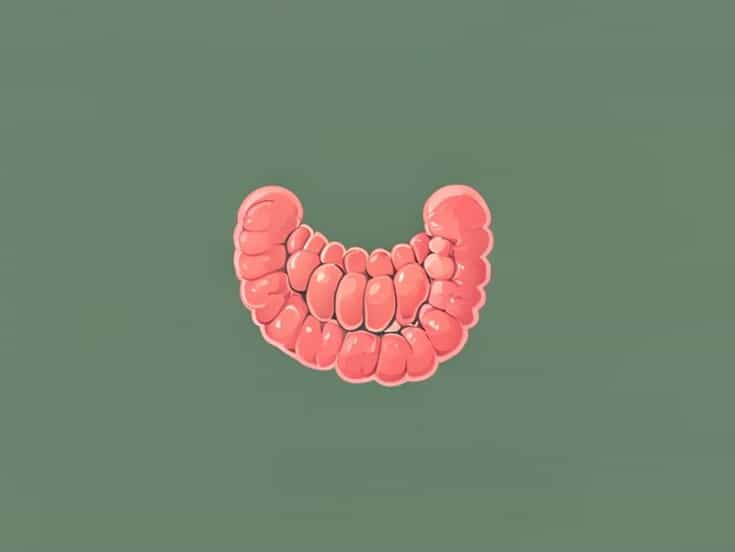
When learning about the human digestive system, many people are surprised by how complex and specialized each section of the intestines really is. The small intestine, in particular, plays a vital role in breaking down food and absorbing nutrients that the body needs to survive. Within this long, winding organ, each segment has a specific structure and function. The midsection of the small intestine is especially important because it handles a large portion of nutrient absorption. Understanding this section helps explain how the digestive system works efficiently and why damage to this area can affect overall health.
Overview of the Small Intestine
The small intestine is a long, narrow tube that connects the stomach to the large intestine. Despite its name, it is actually the longest part of the digestive tract, measuring several meters in length. Its primary role is to digest food further and absorb nutrients into the bloodstream.
Anatomically, the small intestine is divided into three main parts. Each part has a distinct structure and function that contributes to digestion and absorption. These three sections work together in a coordinated way to ensure that the body receives energy, vitamins, minerals, and other essential substances from food.
The Three Main Sections
-
The duodenum, which is the first section and connects to the stomach.
-
The jejunum, which forms the middle portion of the small intestine.
-
The ileum, which is the final section and connects to the large intestine.
Among these, the jejunum is the midsection of the small intestine and plays a central role in nutrient absorption.
The Jejunum as the Midsection of the Small Intestine
The jejunum is the midsection of the small intestine, located between the duodenum and the ileum. It makes up a significant portion of the total length of the small intestine and is specially adapted for absorbing nutrients from digested food.
This section begins where the duodenum ends and continues until it gradually transitions into the ileum. Although there is no sharp boundary between the jejunum and ileum, anatomical features help distinguish one from the other.
Location and Structure
The jejunum is typically found in the upper and central parts of the abdominal cavity. Its walls are thicker and more muscular compared to the ileum, which helps move food along through rhythmic contractions known as peristalsis.
One of the most notable features of the jejunum is its highly folded inner surface. These folds, along with microscopic structures, dramatically increase the surface area available for nutrient absorption.
Key Functions of the Jejunum
The main function of the jejunum is to absorb nutrients that have been broken down during digestion. By the time food reaches this midsection of the small intestine, it has already been mixed with digestive enzymes and bile, making nutrients ready for absorption.
The jejunum absorbs a wide range of substances that are essential for the body’s energy production, growth, and repair.
Nutrients Absorbed in the Jejunum
-
Carbohydrates, broken down into simple sugars like glucose.
-
Proteins, absorbed as amino acids.
-
Fats, absorbed as fatty acids and glycerol.
-
Vitamins and minerals needed for metabolic processes.
Because of its efficiency, the jejunum handles the majority of nutrient absorption compared to the other sections of the small intestine.
Structural Adaptations That Support Absorption
The jejunum is the midsection of the small intestine that shows remarkable structural adaptations designed to maximize absorption. These adaptations ensure that nutrients pass quickly and effectively from the digestive tract into the bloodstream.
The inner lining of the jejunum is not smooth. Instead, it contains several layers of folds and projections that work together to increase surface area.
Villi and Microvilli
The jejunum is lined with tiny, finger-like projections called villi. Each villus is covered with even smaller structures known as microvilli. Together, these structures form what is often referred to as the brush border.
This brush border significantly increases the absorptive surface, allowing nutrients to be absorbed efficiently even as food moves continuously through the intestine.
Blood Supply and Nutrient Transport
Another reason the jejunum is so effective is its rich blood supply. Once nutrients pass through the intestinal wall, they enter blood vessels that transport them to the liver and then to the rest of the body.
The jejunum contains an extensive network of capillaries and lymphatic vessels. These vessels ensure that both water-soluble and fat-soluble nutrients are carried away efficiently.
Role of the Lymphatic System
Fats absorbed in the jejunum enter specialized lymphatic vessels called lacteals. These vessels transport fats in a form that can be safely moved through the body before entering the bloodstream.
This dual transport system highlights how specialized the midsection of the small intestine truly is.
Comparison with the Duodenum and Ileum
Understanding the jejunum as the midsection of the small intestine becomes clearer when comparing it to the other two sections. The duodenum focuses more on chemical digestion, while the ileum specializes in absorbing specific nutrients not taken up earlier.
The jejunum sits between these two sections both anatomically and functionally, serving as the primary site for nutrient absorption.
Key Differences
-
The duodenum mixes food with digestive enzymes and bile.
-
The jejunum absorbs most nutrients and has prominent folds.
-
The ileum absorbs vitamin B12 and bile salts.
This division of labor ensures that digestion and absorption occur in an organized and efficient manner.
Clinical Importance of the Jejunum
The jejunum’s role as the midsection of the small intestine makes it clinically significant. Disorders affecting this area can lead to malnutrition, weight loss, and nutrient deficiencies.
Conditions such as inflammation, surgical removal, or reduced blood flow can interfere with absorption and impact overall health.
Why Jejunal Health Matters
Because so many essential nutrients are absorbed in the jejunum, maintaining its health is critical. Even partial dysfunction can affect energy levels, immune function, and organ performance.
This is why medical professionals pay close attention to symptoms related to nutrient absorption when evaluating digestive health.
The jejunum is the midsection of the small intestine and serves as a vital hub for nutrient absorption. Its unique structure, rich blood supply, and specialized lining allow the body to efficiently extract essential substances from food.
By understanding the role of the jejunum within the digestive system, readers gain a clearer picture of how the body transforms food into fuel. This midsection of the small intestine may not receive much attention in everyday conversation, but it plays a central role in maintaining health and supporting life.