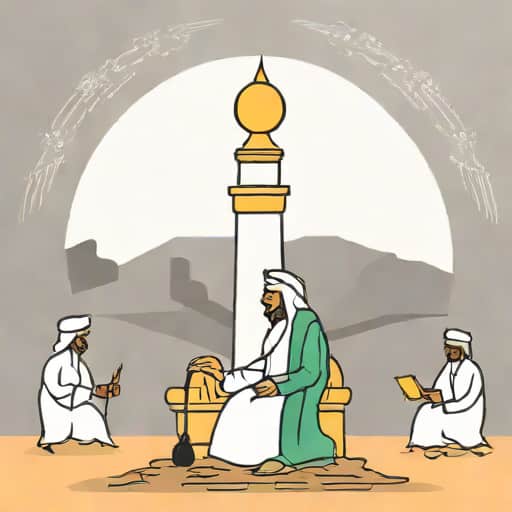
The Day of Arafat is one of the most significant events in the Islamic calendar, observed annually during the Hajj pilgrimage. In 2024, Muslims across the globe will reflect on its importance as both a day of devotion and spiritual renewal. The Day of Arafat holds immense value for those who are on pilgrimage at Mount Arafat, as well as for Muslims who are not performing Hajj but choose to fast and pray. Its meaning goes beyond rituals, representing forgiveness, mercy, and the hope for spiritual rebirth. To fully appreciate the significance of the Day of Arafat 2024, it is essential to understand its historical roots, spiritual depth, and the practices associated with it.
Historical Background of the Day of Arafat
The Day of Arafat is observed on the 9th day of Dhu al-Hijjah, the twelfth and final month of the Islamic lunar calendar. It commemorates the gathering of pilgrims at the plain of Arafat, located near Mecca. This place is historically tied to the Prophet Muhammad’s Farewell Sermon, where he delivered an important message about faith, equality, and devotion. The plain of Arafat is therefore considered sacred, and standing upon it in prayer is seen as the climax of the Hajj pilgrimage.
The Day of Arafat in 2024
In 2024, the Day of Arafat is expected to fall in mid-June, depending on the sighting of the moon, as the Islamic calendar is lunar-based. Muslims all around the world prepare spiritually for this sacred time. Pilgrims who are on Hajj will spend the day at Mount Arafat, while those at home are encouraged to fast, seek forgiveness, and increase acts of worship. The connection between Hajj and the Day of Arafat makes it a central part of the Islamic faith.
Spiritual Importance of the Day
The Day of Arafat is often referred to as the Day of Forgiveness because it is believed that Allah’s mercy and blessings are abundant on this day. For pilgrims, standing on Arafat is an act of obedience and a fulfillment of one of the key pillars of Islam. For non-pilgrims, fasting on this day is highly recommended, as it is said to expiate sins from the previous year and the year ahead. The dual role of the day-as both a moment of collective gathering for Hajj and a personal day of worship for others-makes it universally meaningful for Muslims.
Key Spiritual Benefits
- Opportunity for forgiveness and spiritual renewal.
- Acts as the pinnacle of Hajj, without which the pilgrimage is incomplete.
- Encourages fasting for non-pilgrims, with great spiritual reward.
- Provides a chance to reflect on the Farewell Sermon and its timeless message.
Practices on the Day of Arafat
Both pilgrims and non-pilgrims engage in different practices that honor the Day of Arafat. For those performing Hajj, being present at the plain of Arafat is a mandatory requirement. Without it, the pilgrimage is not valid. They spend the day in prayer, supplication, and seeking forgiveness. Non-pilgrims at home focus on fasting, prayer, and charitable acts to align themselves with the spirit of the day.
For Pilgrims
- Gathering at Mount Arafat from noon until sunset.
- Listening to the khutbah (sermon) and engaging in dua (supplication).
- Standing in humility, reflecting on one’s relationship with Allah.
For Non-Pilgrims
- Fasting on the 9th of Dhu al-Hijjah, believed to remove sins of two years.
- Praying extra voluntary prayers and reciting Quran.
- Engaging in dhikr (remembrance of Allah) and heartfelt dua.
The Farewell Sermon Connection
The Day of Arafat is linked to the Prophet Muhammad’s Farewell Sermon, delivered on the plain of Arafat in the year 632 CE. In this sermon, the Prophet emphasized the equality of all humans regardless of race or status, the importance of upholding rights, and the foundation of Islamic principles. This sermon serves as a guide for Muslims even today, reminding them of justice, compassion, and moral responsibility. The connection between the sermon and the Day of Arafat adds a profound layer of meaning to the observance.
Day of Arafat and Eid al-Adha
The Day of Arafat directly precedes Eid al-Adha, also known as the Festival of Sacrifice. This link highlights the continuity of devotion and worship. On the day following Arafat, Muslims worldwide celebrate Eid with prayers, sacrifices, and gatherings. The Day of Arafat, therefore, acts as a spiritual preparation for Eid al-Adha, reminding Muslims of the values of sacrifice, obedience, and gratitude.
The Universal Appeal of the Day
One reason the Day of Arafat is so important is its universal appeal across the Muslim world. Unlike some rituals that are specific to pilgrims, Arafat invites both those on pilgrimage and those at home to participate in acts of devotion. This inclusivity strengthens the sense of global unity within Islam. In 2024, millions of Muslims will observe the day in their own ways, creating a shared experience of faith and reflection.
Why the Day Resonates Globally
- It connects pilgrims and non-pilgrims through worship.
- It emphasizes equality and unity, reflecting the Farewell Sermon.
- It reminds Muslims of mercy, forgiveness, and renewal.
Preparing for the Day of Arafat 2024
As the Day of Arafat 2024 approaches, Muslims can prepare by increasing their awareness of its significance and planning their acts of worship. For non-pilgrims, this may involve making the intention to fast, setting aside time for prayer, and learning about the historical context of the day. For pilgrims, the preparation is even greater, as it involves both physical and spiritual readiness to stand at Mount Arafat and fulfill this essential component of Hajj.
The Day of Arafat 2024 will once again bring together millions of Muslims in devotion, reflection, and hope for forgiveness. It is not only a day for those on pilgrimage but also a powerful spiritual opportunity for Muslims everywhere. Rooted in history, tied to the Prophet’s Farewell Sermon, and enriched with practices of prayer and fasting, it continues to be a cornerstone of Islamic faith. As the day arrives, Muslims will embrace it as a chance for renewal, mercy, and unity, reaffirming their connection to God and to one another.