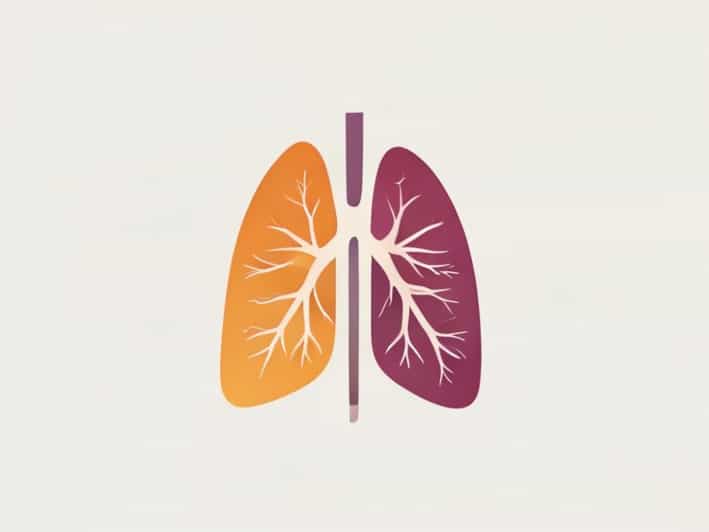
The space between the visceral and parietal pleurae is a critical anatomical feature of the human respiratory system, playing an essential role in lung function and overall respiratory health. This pleural cavity, although very thin, serves as a lubricated interface that allows the lungs to expand and contract smoothly within the thoracic cavity during breathing. Understanding the structure, function, and clinical significance of this space is fundamental for medical students, healthcare professionals, and anyone interested in human anatomy and physiology. Its role in normal respiration, as well as in pathological conditions, demonstrates the delicate balance required for effective pulmonary function.
Anatomy of the Pleurae
The pleurae are serous membranes that envelope the lungs and line the thoracic cavity. They are divided into two layers the visceral pleura, which closely adheres to the surface of the lungs, and the parietal pleura, which lines the inner surface of the thoracic wall, diaphragm, and mediastinum. Between these two layers lies the pleural cavity, a potential space that normally contains a small amount of lubricating fluid.
Visceral Pleura
The visceral pleura is a thin, delicate membrane that is tightly bound to the surface of the lungs. It follows the contours of the lung tissue, including fissures between lobes, ensuring that the lungs are completely enveloped. The visceral pleura contains blood vessels, lymphatics, and nerve fibers that are crucial for lung function and sensation.
Parietal Pleura
The parietal pleura lines the thoracic cavity and is divided into several regions depending on its location costal (lining the ribs), diaphragmatic (covering the diaphragm), mediastinal (adjacent to the mediastinum), and cervical (extending into the neck). It is thicker than the visceral pleura and has a rich supply of sensory nerves, making it sensitive to pain and other stimuli.
The Pleural Cavity Space Between the Pleurae
The space between the visceral and parietal pleurae is called the pleural cavity or pleural space. In healthy individuals, this space is minimal and contains only a thin film of pleural fluid, usually about 10 to 20 milliliters per lung. This fluid is secreted and absorbed continuously by the pleural membranes and serves several important functions.
Functions of the Pleural Cavity
- LubricationThe pleural fluid reduces friction between the lungs and the thoracic wall during breathing, allowing smooth gliding motions with minimal resistance.
- Surface TensionThe fluid helps maintain surface tension, which keeps the lungs adhered to the thoracic wall and assists in lung expansion during inspiration.
- Pressure GradientThe negative pressure within the pleural space relative to the atmosphere helps keep the lungs inflated.
Respiratory Mechanics and the Pleural Space
During inhalation, the diaphragm and intercostal muscles expand the thoracic cavity. This expansion increases the volume of the pleural cavity, reducing intrapleural pressure. The negative pressure within the pleural space causes the lungs to expand, drawing air into the alveoli. During exhalation, the thoracic cavity contracts, intrapleural pressure increases slightly, and the lungs recoil to expel air. Without the properly functioning pleural cavity, this process would be inefficient, leading to compromised ventilation.
Clinical Significance
Changes in the space between the visceral and parietal pleurae can lead to serious medical conditions. Understanding these conditions is vital for diagnosis and treatment in clinical practice.
Pleural Effusion
Pleural effusion occurs when excess fluid accumulates in the pleural cavity, which can compress the lungs and cause difficulty breathing. It may result from infections, heart failure, liver disease, or malignancies. Symptoms typically include shortness of breath, chest pain, and cough. Diagnosis is often confirmed with imaging studies like chest X-rays or ultrasound, and treatment may involve thoracentesis to remove the fluid.
Pneumothorax
Pneumothorax refers to the presence of air in the pleural cavity, which can lead to lung collapse. It may be spontaneous, traumatic, or iatrogenic (caused by medical procedures). The sudden loss of negative intrapleural pressure disrupts normal lung expansion, resulting in acute chest pain and difficulty breathing. Treatment depends on severity and may range from observation to insertion of a chest tube to remove the air.
Pleural Thickening and Adhesions
Chronic inflammation, infections, or previous surgeries can lead to pleural thickening and adhesions, which reduce the flexibility of the pleural cavity. This restriction can impair lung movement and contribute to long-term respiratory difficulties. Imaging studies such as CT scans are used to assess the extent of these changes.
Diagnostic and Therapeutic Procedures Involving the Pleural Space
Medical procedures often target the pleural cavity for both diagnostic and therapeutic purposes. Some common interventions include
- ThoracentesisA procedure to remove excess fluid from the pleural space for analysis or symptom relief.
- Pleural BiopsySampling of pleural tissue to diagnose infections, malignancies, or inflammatory conditions.
- Chest Tube InsertionPlacement of a tube to evacuate air, fluid, or blood from the pleural cavity.
- PleurodesisA procedure to eliminate the pleural space, usually to prevent recurrent pleural effusions or pneumothorax.
The space between the visceral and parietal pleurae, though small, plays an essential role in respiratory physiology. By allowing smooth lung movements, maintaining negative pressure, and providing lubrication, the pleural cavity ensures efficient ventilation and overall lung function. Disruptions to this space, whether due to fluid accumulation, air, or chronic changes, can have significant clinical consequences. Understanding the anatomy, function, and clinical relevance of the pleural space is crucial for medical practice, as it informs diagnosis, treatment, and management of a range of pulmonary conditions. Mastery of this knowledge not only enhances patient care but also deepens appreciation for the intricate mechanics of the human respiratory system.