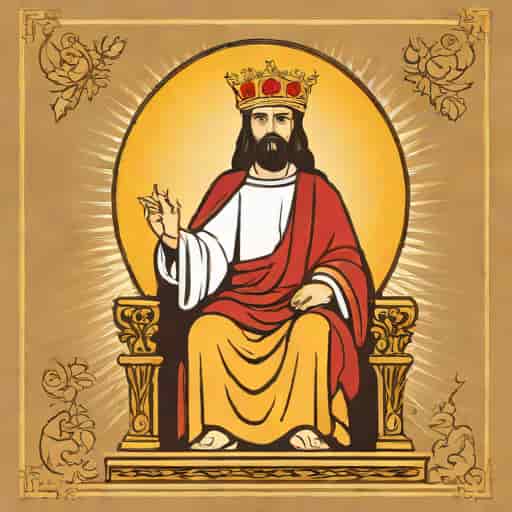
The Solemnity of Christ the King of the Universe is a significant celebration in the Catholic Church, observed on the last Sunday of the liturgical year. This feast reminds believers that Jesus Christ is not only the Savior but also the ultimate King who reigns over all creation, visible and invisible. Unlike earthly rulers whose power is often limited and temporary, Christ’s kingship is eternal, marked by justice, love, and mercy. The celebration encourages the faithful to reflect on the meaning of true leadership, divine authority, and the call to live under Christ’s guidance in daily life.
Historical Background of the Feast
The Feast of Christ the King was established by Pope Pius XI in 1925 through the encyclicalQuas Primas. It emerged during a time when monarchies were losing influence and secular ideologies were rising. The Pope sought to remind the world that no human authority surpasses the sovereignty of Christ. By instituting this feast, the Church emphasized that Christ’s kingdom is not political in nature but spiritual, transcending social and cultural boundaries. Over time, the feast has become an essential part of the liturgical calendar, celebrated worldwide by millions of Catholics.
Theological Significance
Theologically, the Solemnity of Christ the King underscores that Christ’s kingship is rooted in truth and love. Unlike worldly kings, His authority is not based on force, wealth, or coercion. Instead, it is established through self-sacrifice and service. This celebration invites believers to recognize Christ’s rule in their hearts and communities, promoting justice, compassion, and peace. By acknowledging Christ as King, Christians commit to living according to His teachings and participating in the building of His eternal kingdom here on Earth.
Scriptural Foundations
The feast draws inspiration from several biblical passages that portray Jesus as the ultimate ruler. Key scriptures include
- John 1836-37Jesus speaks to Pilate, explaining that His kingdom is not of this world, emphasizing its spiritual nature.
- Revelation 1115The proclamation of Christ’s eternal reign over all nations reflects His universal sovereignty.
- Psalm 931The psalmist celebrates the Lord’s majesty and eternal kingship over creation, symbolizing divine authority.
These passages highlight that Christ’s kingship encompasses all aspects of life and creation, calling the faithful to align their actions with His divine will.
Liturgical Celebrations
The Solemnity of Christ the King is marked by vibrant liturgical celebrations. Churches often decorate altars with symbols of royalty, such as crowns and regal colors like gold and purple. During Mass, the readings and prayers focus on Christ’s dominion, mercy, and ultimate triumph over sin and death. Many parishes also organize processions or special prayers, emphasizing communal recognition of Christ’s reign. The liturgy invites both adults and children to reflect on the meaning of kingship in a spiritual sense rather than worldly terms.
Spiritual Reflections for Believers
Observing the Solemnity of Christ the King provides an opportunity for personal and communal reflection. Believers are encouraged to consider how Christ’s rule influences their daily decisions, relationships, and sense of purpose. Recognizing Jesus as King fosters humility, service to others, and a commitment to justice. Spiritual practices associated with the feast may include prayer, meditation on the Gospel, and acts of charity. By embracing Christ’s kingship, Christians can cultivate inner peace, moral integrity, and a deeper connection with God.
Living Under the Reign of Christ
Living under Christ’s reign means more than acknowledging His authority. It involves embodying His teachings in everyday life. This can manifest through
- Promoting justice and fairness in personal and professional interactions.
- Serving those in need with compassion and humility.
- Fostering community unity, peace, and reconciliation.
- Maintaining spiritual disciplines such as prayer, reading Scripture, and participating in the sacraments.
By following these principles, believers honor Christ as their King and contribute to the establishment of His kingdom in practical ways.
Christ the King and Modern Society
In today’s rapidly changing world, the feast of Christ the King carries particular relevance. Amid social, political, and economic uncertainties, the celebration reminds Christians that ultimate authority rests not with human institutions but with Christ. This understanding can provide comfort, guidance, and moral clarity. It also challenges believers to act ethically, advocate for justice, and resist the temptation of prioritizing material power over spiritual values. By keeping Christ at the center of life, individuals and communities can navigate modern complexities with hope and purpose.
The Solemnity of Christ the King of the Universe is a profound invitation to recognize Jesus as the eternal ruler of all creation. It highlights His spiritual authority, justice, and love, encouraging believers to live in accordance with His teachings. Through prayer, reflection, and active engagement in acts of service, Christians can experience the transformative power of Christ’s kingship. This feast not only honors Jesus but also serves as a reminder that His kingdom, founded on mercy and truth, continues to grow in the hearts of those who embrace Him as Lord and King.