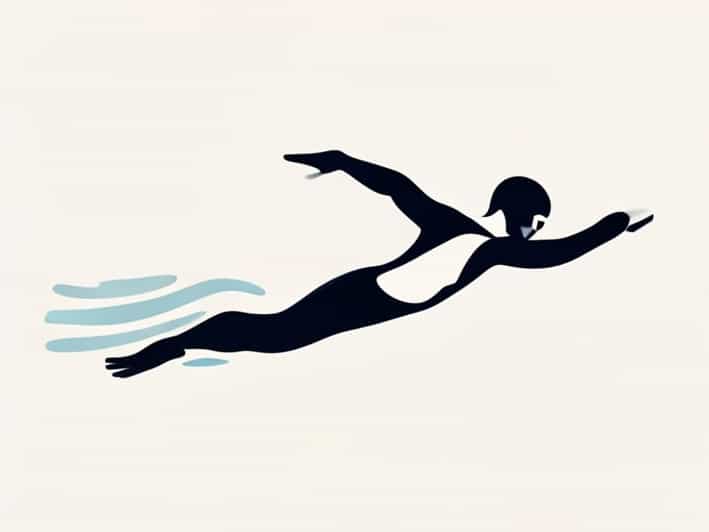
The sidestroke is recognized as the oldest known competitive swimming stroke, with a rich history that traces back centuries. Unlike modern strokes such as freestyle or butterfly, the sidestroke was originally developed for both efficiency in the water and practicality for long-distance swimming. It gained popularity due to its combination of speed, energy conservation, and adaptability, making it a preferred stroke for lifesaving, endurance swimming, and early competitions. Its unique technique, requiring coordination and rhythm, continues to be taught today, both for historical appreciation and practical aquatic skills.
Historical Background of Sidestroke
Sidestroke has origins dating back to the 19th century, when competitive swimming began taking shape as a formal sport. In the early days of swimming competitions, strokes were not standardized, and swimmers experimented with different techniques to improve speed and efficiency. The sidestroke stood out for its practicality because it allowed swimmers to maintain buoyancy and conserve energy while moving steadily through the water.
The Role of Sidestroke in Early Competitions
During the 1800s, swimming competitions often included sidestroke events because it was considered a technical stroke requiring skill and endurance. Swimmers who mastered the sidestroke could cover long distances without excessive fatigue, making it ideal for races that tested stamina as well as speed. Unlike freestyle, which relies heavily on arm power, sidestroke utilizes a scissor kick, making it more energy-efficient over long durations.
Technique and Mechanics of Sidestroke
The sidestroke is distinguished by its asymmetrical body position and the coordination of arm and leg movements. Swimmers lie on one side in the water, extending the lower arm forward while the upper arm pulls down toward the chest. The legs perform a scissor kick, a motion in which one leg extends forward and the other backward, then snaps together, generating propulsion. Breathing is easier in sidestroke because the swimmer’s head remains partially out of the water, reducing the need for complex timing seen in other strokes.
Key Elements of Sidestroke
- Asymmetrical body position lying on one side to reduce resistance
- Scissor kick provides powerful propulsion with minimal energy expenditure
- Arm coordination lower arm pulls forward while upper arm assists in rotation
- Steady breathing head remains above water, facilitating oxygen intake
- Energy efficiency maintains speed with less fatigue than other early strokes
Sidestroke in Lifesaving and Rescue
One of the main reasons the sidestroke remained popular over the centuries is its role in lifesaving and rescue swimming. The stroke allows a swimmer to tow another person with minimal effort. Because the head stays out of the water and the body remains stable, lifeguards can effectively support victims while propelling themselves forward. Its efficiency in carrying weight through water makes it indispensable for rescue techniques taught worldwide.
Historical Lifesaving Applications
In the late 19th and early 20th centuries, sidestroke was widely used in lifesaving demonstrations and competitions. Lifeguards relied on this stroke to navigate beaches and pools while assisting swimmers in distress. Many swimming organizations even promoted sidestroke proficiency as part of standard training because it allowed rescuers to maintain control and endurance during prolonged rescues.
Sidestroke vs Modern Swimming Strokes
While sidestroke was the oldest competitive stroke, modern swimming now favors strokes like freestyle, backstroke, and butterfly in competitive events. These strokes emphasize speed and streamlined technique. However, sidestroke remains relevant for its efficiency, endurance, and safety applications. In comparison to freestyle, sidestroke is slower but far less tiring over long distances, and it allows for continuous observation of surroundings, which is critical in open water swimming and rescue scenarios.
Advantages of Sidestroke Today
- Energy conservation over long distances
- Ease of breathing and head positioning
- Ability to tow another swimmer or carry objects
- Reduces strain on shoulders compared to freestyle
- Effective for historical swimming training and survival skills
Limitations of Sidestroke
Despite its advantages, sidestroke is generally slower than freestyle and other competitive strokes, which is why it is less commonly used in modern races. Additionally, mastering the scissor kick and arm coordination requires dedicated practice, making it less accessible to casual swimmers without guidance.
Sidestroke in Competitive Swimming History
Sidestroke competitions played a pivotal role in the development of modern swimming rules and events. Early competitions showcased swimmers’ ability to combine technique, endurance, and style, setting the foundation for today’s standardized strokes. Swimming manuals from the 19th and early 20th centuries describe sidestroke as the preferred stroke for long-distance contests and endurance tests. Swimmers who excelled in sidestroke often transitioned into lifesaving roles, demonstrating the stroke’s practical value alongside its competitive relevance.
Sidestroke in Early Olympics
Although sidestroke was not included in modern Olympic events, it influenced the evolution of competitive swimming. Its emphasis on technique and endurance shaped the training approaches that led to the dominance of freestyle and backstroke in races. Understanding sidestroke provides historical insight into how swimming evolved from practical survival skills into a highly technical and competitive sport.
Learning and Practicing Sidestroke
For those interested in learning sidestroke today, practice focuses on developing coordination, timing, and energy efficiency. Swimmers often start by mastering the scissor kick and proper body alignment before integrating arm movements. Breathing technique is crucial, as maintaining a relaxed head position allows for endurance swimming. Modern swimming instructors sometimes include sidestroke in cross-training, lifesaving courses, and open water preparation.
Tips for Effective Sidestroke
- Keep your body straight and aligned to minimize drag
- Coordinate the scissor kick with arm pulls for maximum propulsion
- Maintain a relaxed breathing pattern to conserve energy
- Practice towing techniques if using the stroke for lifesaving
- Focus on rhythm and consistency rather than speed alone
The sidestroke remains an important part of swimming history and practice. Recognized as the oldest known competitive stroke, it laid the foundation for modern swimming techniques and competitions. Its efficiency, energy conservation, and practical applications in rescue make it a valuable skill for swimmers of all levels. Understanding and practicing sidestroke allows contemporary swimmers to connect with the origins of competitive swimming while gaining a versatile stroke for endurance, lifesaving, and recreational swimming. Although modern competitions have shifted to faster strokes, the sidestroke continues to offer lessons in technique, coordination, and resilience, highlighting the enduring legacy of this historic swimming style.