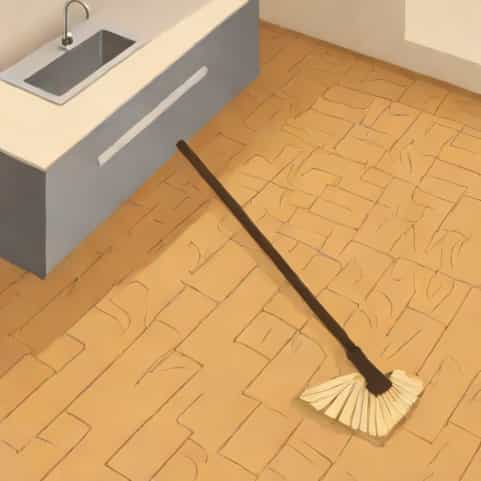
Wood floors are a beautiful and timeless addition to any home, providing warmth, elegance, and durability. However, maintaining their appearance and longevity requires careful cleaning practices. One of the most common questions among homeowners is whether wood floors should be mopped. This topic is important because improper cleaning techniques can damage the finish, cause warping, or leave unsightly streaks. Understanding the best methods for cleaning wood floors, including the role of mopping, the type of mop to use, and appropriate cleaning solutions, is essential for keeping your floors looking pristine while ensuring their long-term health.
The Basics of Wood Floor Care
Wood floors, whether solid hardwood or engineered wood, require regular maintenance to prevent scratches, moisture damage, and buildup of dirt and grime. Dusting and sweeping are fundamental practices that remove loose dirt, pet hair, and other debris that can scratch the floor’s surface over time. Using a soft-bristled broom or a microfiber dust mop ensures that these ptopics are gently lifted without damaging the finish. While sweeping removes surface debris, mopping addresses stains, sticky residues, and deeper cleaning needs, but it must be done with caution to avoid water damage.
Why Water Can Be Problematic
Wood is naturally porous and sensitive to moisture. Excess water can seep into cracks and seams, causing the wood to swell, warp, or develop mold. Traditional wet mopping with buckets of water is generally discouraged for wood floors because it introduces too much moisture. Even minor spills, if not cleaned promptly, can lead to damage. Understanding this risk is critical when considering whether to incorporate mopping into your cleaning routine.
Dry and Damp Mopping Techniques
Instead of traditional wet mopping, wood floors benefit from dry or damp mopping. Dry mopping involves using microfiber dust mops or cloths to lift dust, pet hair, and small debris without introducing moisture. Damp mopping, on the other hand, involves lightly spraying a cleaning solution or using a well-wrung microfiber mop that is just slightly damp. This method helps remove sticky residues, spills, and dirt without soaking the wood. The key is to ensure that the mop is never saturated, as even a little excess water can cause long-term damage.
Choosing the Right Cleaning Solutions
Using appropriate cleaning solutions is essential when damp mopping wood floors. Mild, pH-neutral cleaners specifically formulated for hardwood or engineered wood are ideal. Avoid harsh chemicals, ammonia, or abrasive cleaners that can strip the finish or leave streaks. Many commercial wood floor cleaners come in spray bottles, allowing you to control the amount of solution applied and ensuring the floor is not overly wet. Alternatively, a mixture of water and a small amount of gentle wood floor cleaner can be used, applied sparingly with a microfiber mop.
Frequency of Mopping
The frequency of mopping wood floors depends on factors such as foot traffic, pets, and household conditions. In homes with high traffic or children, damp mopping may be necessary once or twice a week to remove dirt and residues. In low-traffic areas, monthly damp mopping combined with daily sweeping or dry dust mopping may suffice. Over-mopping can be just as damaging as neglecting the floor, so it is important to strike a balance that keeps the floor clean while preserving its finish.
Spot Cleaning for Stains
Spot cleaning is an effective alternative to frequent mopping. For sticky spills, pet accidents, or stains, it is recommended to use a slightly damp cloth or mop to address the area immediately. Avoid letting the spill sit, as prolonged exposure to moisture can cause staining and damage. Using a gentle cleaner and drying the area promptly ensures that the wood maintains its beauty and structural integrity.
Tools and Equipment for Safe Mopping
The tools you use play a significant role in preventing damage when mopping wood floors. Microfiber mops are preferred because they absorb dirt effectively and can be used damp without leaving excess water behind. Flat mops with removable pads allow for easy washing and even application of cleaning solutions. Avoid traditional string mops or sponges that retain water and may drip, introducing moisture that can warp the wood. Using high-quality tools ensures efficient cleaning while protecting the floor’s finish.
Additional Tips for Maintaining Wood Floors
- Use protective pads under furniture to prevent scratches during movement.
- Keep area rugs at entrances to reduce the amount of dirt tracked onto the floor.
- Wipe up spills immediately to prevent moisture absorption and staining.
- Avoid walking on wood floors with high heels or cleats that can dent or scratch.
- Regularly check the finish and consider periodic refinishing to maintain a protective layer.
So, should wood floors be mopped? The answer is yes, but only with caution. Traditional wet mopping should be avoided, while dry and lightly damp mopping with the right tools and cleaning solutions is both safe and effective. Maintaining wood floors requires a balance between cleaning, protection, and routine care. By understanding the properties of wood, the risks of excess moisture, and the proper techniques for cleaning, homeowners can preserve the beauty, functionality, and longevity of their wood floors. Regular sweeping, spot cleaning, and controlled damp mopping ensure that these elegant surfaces remain in excellent condition for years to come, combining practical care with aesthetic appeal.