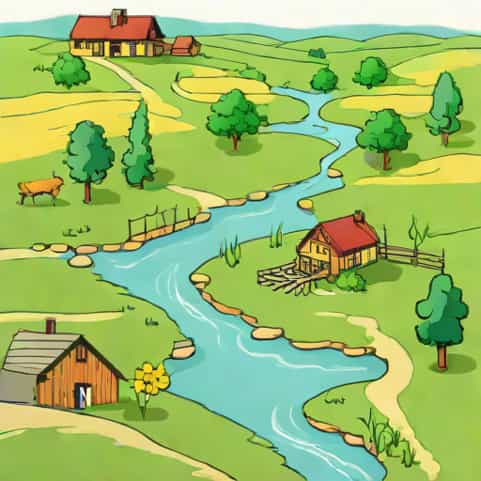
Rural renewal streams in Alberta represent an important aspect of environmental conservation and community development, combining ecological restoration with socio-economic benefits. These streams, often found in agricultural and sparsely populated areas, play a critical role in supporting biodiversity, improving water quality, and stabilizing ecosystems affected by human activities. The province of Alberta, with its vast landscapes of prairies, forests, and river systems, has recognized the significance of maintaining healthy waterways to sustain both natural habitats and rural communities. Through targeted programs and initiatives, rural renewal streams are being restored and preserved, offering long-term benefits for local residents, farmers, and wildlife alike. Understanding the importance, strategies, and outcomes of rural renewal in Alberta can provide insights into sustainable rural management and environmental stewardship.
Importance of Rural Renewal Streams
Rural renewal streams serve multiple ecological and social functions. They help maintain the natural hydrology of rural landscapes, reduce soil erosion, and filter pollutants from agricultural runoff. Healthy streams support diverse plant and animal species, contributing to overall biodiversity. Additionally, these waterways offer recreational and educational opportunities for local communities, promoting environmental awareness and engagement. In Alberta, where agriculture and resource development are significant parts of the economy, maintaining healthy streams is crucial for sustainable land use.
Ecological Benefits
- Improved water quality by filtering sediments and pollutants.
- Enhanced habitats for fish, birds, and other wildlife species.
- Stabilization of stream banks to prevent erosion.
- Contribution to larger watershed health and groundwater recharge.
- Support for native vegetation, which enhances ecosystem resilience.
Community and Economic Benefits
- Opportunities for eco-tourism and recreational activities such as fishing and hiking.
- Educational programs for schools and community groups about conservation.
- Support for sustainable agriculture by preventing nutrient loss and maintaining soil health.
- Improved resilience of rural communities against flooding or drought conditions.
- Strengthening local identity and connection to natural landscapes.
Challenges in Rural Stream Renewal
Despite the benefits, rural stream renewal faces several challenges. Agricultural practices, urban development, and climate change can negatively impact water quality and stream stability. Excessive nutrient runoff from fertilizers, livestock access to streams, and sedimentation are common issues in Alberta’s rural landscapes. Moreover, maintaining restored streams requires ongoing monitoring, community engagement, and financial resources, which can be limited in sparsely populated areas.
Environmental Challenges
- Runoff from agriculture and industrial activities leading to water contamination.
- Alteration of natural flow patterns due to damming, irrigation, or drainage systems.
- Loss of native vegetation and introduction of invasive species.
- Soil erosion along stream banks causing sediment accumulation.
- Impact of climate variability on water levels and stream ecology.
Social and Economic Challenges
- Limited funding for restoration and maintenance projects.
- Need for education and awareness to encourage sustainable practices among landowners.
- Balancing economic activities with environmental conservation goals.
- Coordinating efforts across multiple stakeholders, including farmers, local governments, and conservation organizations.
- Long-term commitment required to achieve measurable ecological improvements.
Strategies for Rural Stream Renewal in Alberta
Successful rural stream renewal involves a combination of ecological restoration techniques, community involvement, and policy support. Alberta has implemented various programs to restore streambanks, improve water quality, and enhance habitat connectivity. These strategies often include planting native vegetation, stabilizing eroded banks, creating buffer zones, and restricting livestock access to sensitive areas. Additionally, local communities are encouraged to participate in monitoring and maintenance efforts, fostering a sense of stewardship and responsibility for natural resources.
Restoration Techniques
- Replanting native trees, shrubs, and grasses along streambanks.
- Installing erosion control structures such as rock gabions or brush mattresses.
- Creating riparian buffer zones to filter runoff and provide wildlife habitat.
- Re-meandering straightened streams to restore natural flow patterns.
- Enhancing fish passage and aquatic habitat with structures like riffles and pools.
Community Engagement and Education
- Organizing volunteer events for tree planting and stream clean-ups.
- Providing workshops on sustainable agriculture and water conservation practices.
- Engaging schools and youth groups in citizen science and monitoring projects.
- Creating awareness campaigns about the importance of healthy waterways.
- Encouraging collaboration between local governments, NGOs, and private landowners.
Case Studies and Success Stories
Several rural stream renewal projects in Alberta have demonstrated measurable ecological and social benefits. In areas where restoration efforts have been implemented, improvements in water quality, increased wildlife sightings, and stabilized streambanks have been reported. For instance, specific agricultural communities have successfully reduced nutrient runoff by implementing fencing to keep livestock out of streams and planting riparian buffers. These examples highlight the potential for well-planned initiatives to enhance both environmental health and community well-being.
Notable Projects
- Riparian restoration along the Bow River tributaries, improving fish habitat and water clarity.
- Community-led streambank stabilization projects in southern Alberta to prevent erosion and flooding.
- Collaborative efforts with farmers to implement sustainable grazing practices along waterways.
- Monitoring programs tracking water quality improvements after vegetation restoration.
- Educational campaigns encouraging local stewardship of streams and watersheds.
Future of Rural Renewal Streams in Alberta
The future of rural stream renewal in Alberta looks promising with increasing awareness of environmental issues and the importance of sustainable land management. Continued investment in restoration projects, technological innovation in monitoring, and active community participation will be essential for long-term success. As climate change and human activities continue to impact waterways, proactive measures will be necessary to maintain healthy rural streams and ensure the ecological and economic benefits are sustained for future generations.
Key Priorities Moving Forward
- Expanding riparian restoration and protection programs across rural Alberta.
- Enhancing monitoring and research to assess ecological improvements and identify emerging threats.
- Promoting sustainable agricultural practices that reduce negative impacts on waterways.
- Encouraging multi-stakeholder collaboration to coordinate restoration and conservation efforts.
- Raising public awareness about the importance of stream health for biodiversity and rural communities.
Rural renewal streams in Alberta represent a vital intersection of ecological restoration, community development, and sustainable land management. By focusing on water quality improvement, habitat restoration, and community engagement, these initiatives support biodiversity, enhance agricultural sustainability, and strengthen rural resilience. Challenges remain, including environmental pressures and resource limitations, but the combined efforts of governments, communities, and organizations continue to demonstrate the value of investing in rural stream renewal. Looking ahead, maintaining and expanding these programs will be essential to ensure that Alberta’s rural waterways remain healthy, productive, and beneficial for both people and wildlife.