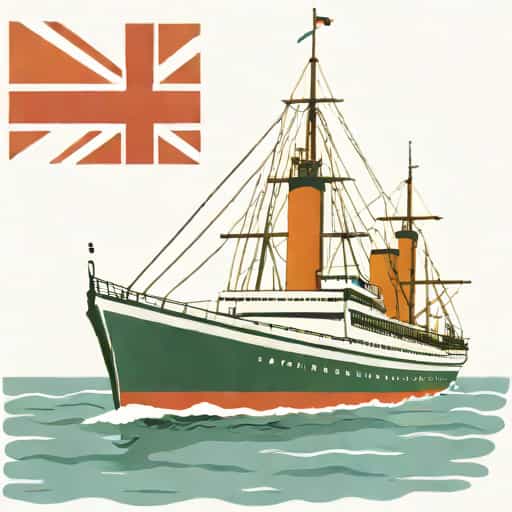
The story of the RMS Britannic, often remembered as the Patroness of the Mediterranean, is one filled with ambition, tragedy, and enduring mystery. Though overshadowed by her famous sister, the Titanic, the Britannic has a legacy of her own that continues to fascinate historians, maritime enthusiasts, and anyone drawn to tales of engineering triumphs and unexpected disasters. Her short life, marked by wartime duty and a dramatic sinking, offers a rich glimpse into the world of early 20th-century ocean liners and the challenges faced during a time of global conflict.
Origins of the Britannic
The RMS Britannic was the third and final vessel in the Olympic-class trio designed by the White Star Line. Intended to be the safest, strongest, and most luxurious of the group, she was built with lessons learned from early experiences including the Titanic disaster. Her construction reflected a renewed focus on safety and reliability at a time when transatlantic travel symbolized prestige and technological progress.
A Vision of Maritime Excellence
The Britannic was envisioned as a grand passenger liner that would rival any ship on the ocean. Her design featured reinforced bulkheads, advanced ventilation systems, and enhanced lifeboat arrangements. These upgrades were considered revolutionary, elevating the standard of maritime engineering.
- Stronger watertight compartments
- Improved hull structure for added protection
- New safety equipment and escape routes
- Luxurious interior spaces similar to her sister ships
Every detail reflected the desire to create a ship that would define an era of elegant and secure ocean travel.
Transformation into a Hospital Ship
Before the Britannic could begin her service as a passenger liner, the outbreak of World War I changed her destiny. Instead of carrying wealthy travelers across the Atlantic, she was requisitioned by the British government and converted into a hospital ship. This transformation marked the beginning of her reputation as the Patroness of the Mediterranean, a name inspired by her humanitarian role in transporting and caring for wounded soldiers.
The Interior Reimagined
Her lavish interiors were reworked to accommodate medical wards, operating rooms, and recovery spaces. The ship became a floating sanctuary, offering hope and healing to soldiers in need during some of the most intense campaigns of the war.
The Britannic’s medical capacity included
- Modern surgical suites
- Extensive patient wards
- Sterilization rooms and storage for medical supplies
- Facilities for doctors, nurses, and support staff
These modifications allowed her to perform critical duties across the Mediterranean, making her an essential asset to the war effort.
Life as the Patroness of the Mediterranean
During her voyages, the Britannic developed a reputation for reliability and compassion. She transported wounded soldiers with efficiency and care, earning admiration from both the military and civilians. Her presence in the Mediterranean Sea symbolized safety and relief amidst a conflict that reshaped the world.
Missions and Contributions
Although her time as a hospital ship was brief, the Britannic completed multiple successful missions. She carried thousands of injured servicemen away from the battlefields, providing lifesaving treatment onboard. Those who served on her often spoke of her smooth handling, advanced facilities, and the dedication of the medical staff.
Her role demonstrated the versatility of maritime engineering and the importance of naval support during wartime.
The Sinking of the Britannic
The ship met her tragic fate on November 21, 1916, in the Aegean Sea. While en route to pick up more wounded soldiers, she struck a mine that had been laid by a German U-boat. The explosion triggered catastrophic damage, ultimately sealing her fate.
Rapid Sinking and Missteps
Despite her enhanced safety features, the Britannic sank more quickly than expected. Several factors contributed to the increased speed, including open portholes and the force of water entering the ship. Within less than an hour, the vessel was lost beneath the waves.
- Explosion caused extensive damage to the bow
- Open windows accelerated flooding
- Lifeboat accidents occurred due to the moving propellers
- The crew acted swiftly to evacuate passengers
Fortunately, the loss of life was far smaller than that of the Titanic. More than a thousand people were rescued, showcasing the effectiveness of improved evacuation procedures and the crew’s commitment to safety.
Discovery and Exploration of the Wreck
The Britannic remained hidden for decades until famed explorer Jacques Cousteau discovered her wreck in 1975. Resting on her side in relatively shallow water, the ship is remarkably well-preserved compared to many other historical wrecks. Divers from around the world continue to study and document her remains, drawn by her haunting beauty and unique historical value.
A Window into Maritime History
The wreck offers essential insight into early 20th-century shipbuilding and wartime naval operations. Because of her position in clear water, many structural elements remain visible, including the stern, lifeboat davits, and sections of the hull.
For historians and marine archaeologists, the Britannic serves as a valuable time capsule.
Legacy of the Britannic
Although she never fulfilled her intended role as a luxury ocean liner, the Britannic left an undeniable mark on history. Her contributions during World War I and her dramatic sinking continue to inspire books, documentaries, and research expeditions. Many view her as a symbol of courage, service, and the unpredictable nature of maritime life.
A Sister Ship with Her Own Identity
Often compared to the Titanic and the Olympic, the Britannic stands apart for her distinct purpose and story. She represents a period when ships were not only feats of engineering but also instruments of global change.
Her identity as the Patroness of the Mediterranean reflects her compassionate role during wartime, reminding us that even the grandest vessels can become tools for healing.
Why the Britannic Still Captivates Us
The fascination with the RMS Britannic stems from several enduring factors. She embodies a blend of innovation, history, and human drama. Her story mirrors the ambitions and challenges of an era defined by rapid technological advancement and global conflict.
Mystery and Beauty Beneath the Waves
The Britannic’s underwater resting place adds a layer of mystery. Her remarkably preserved condition allows explorers to witness details usually lost to time. This rare combination of beauty and tragedy continues to draw attention from divers and historians alike.
A Testament to Human Resilience
From her construction to her wartime missions, the Britannic stands as a reminder of resilience and adaptability. She highlights how grand creations can be repurposed for humanitarian service in the face of adversity.
The RMS Britannic’s legacy as the Patroness of the Mediterranean stands as a powerful chapter in maritime history. Her brief but meaningful service, her connection to iconic sister ships, and her compelling story of transformation and loss make her an unforgettable vessel. Even today, she continues to inspire curiosity, respect, and a sense of wonder about the early days of ocean travel and the unpredictable course of history.