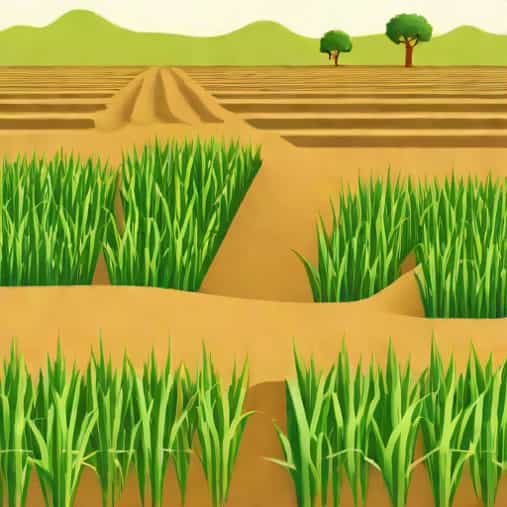
The ridge and furrow method of sugarcane planting is one of the most widely practiced techniques in sugarcane cultivation, especially in regions where proper water management is essential. Sugarcane is a long-duration crop that requires careful planning from planting to harvest. Farmers choose planting methods based on soil type, climate, irrigation availability, and crop management needs. Among various methods, ridge and furrow planting stands out because it improves drainage, promotes healthy root growth, and helps achieve higher yields when managed correctly.
Understanding the Ridge and Furrow Method
The ridge and furrow method of sugarcane planting involves creating raised ridges with furrows in between. Sugarcane setts are planted either on the sides or tops of the ridges, while irrigation water flows through the furrows. This layout allows better control of soil moisture and reduces problems caused by excess water.
This method is particularly suitable for heavy soils and areas that experience waterlogging during the rainy season. By elevating the planting zone, sugarcane roots receive better aeration and avoid prolonged water stress.
Why the Ridge and Furrow Method Is Used
Sugarcane requires adequate moisture but is sensitive to stagnant water around the root zone. The ridge and furrow system helps balance these needs effectively. It also supports mechanization and easier intercultural operations.
Farmers prefer this method because it improves crop establishment and allows more efficient use of irrigation water.
Main Objectives of the Method
- To improve soil drainage and aeration
- To ensure uniform irrigation
- To promote healthy root development
- To reduce waterlogging-related diseases
- To increase sugarcane yield and quality
Field Preparation for Ridge and Furrow Planting
Proper land preparation is essential before adopting the ridge and furrow method of sugarcane planting. The field should be plowed deeply to loosen the soil and remove weeds, stubbles, and crop residues.
After plowing, the field is leveled to ensure uniform ridge formation. Organic manure or compost is often incorporated during land preparation to improve soil fertility and structure.
Formation of Ridges and Furrows
Ridges and furrows are typically formed using a ridger or plow. The distance between furrows usually ranges from 90 to 120 centimeters, depending on the sugarcane variety and soil type.
The height of the ridges should be sufficient to protect the setts from excess moisture while still allowing easy access to irrigation water.
Planting of Sugarcane Setts
In the ridge and furrow method, healthy sugarcane setts with viable buds are selected for planting. These setts are usually placed either on the side of the ridge or slightly below the ridge top.
Planting depth is important. Setts should be placed at a depth that allows good soil contact without burying the buds too deeply.
Spacing and Orientation
Proper spacing ensures adequate sunlight, air circulation, and nutrient availability. The buds on the setts should face sideways or upward to support uniform germination.
After placing the setts, they are covered lightly with soil to protect them and encourage sprouting.
Irrigation Management in Ridge and Furrow Planting
Irrigation is one of the major advantages of the ridge and furrow method of sugarcane planting. Water is applied through the furrows, allowing it to seep gradually into the ridges where the roots are located.
This system prevents direct flooding of the root zone, reducing the risk of root rot and other moisture-related problems.
Efficient Use of Water
Compared to flat planting, this method reduces water wastage and allows uniform distribution. It is especially beneficial in areas facing water scarcity.
During early growth stages, light but frequent irrigation is recommended, while mature crops require deeper irrigation at longer intervals.
Nutrient Management and Fertilization
The ridge and furrow method of sugarcane planting also supports efficient fertilizer application. Nutrients can be applied directly in the furrows, where they dissolve and move toward the root zone.
This targeted approach reduces nutrient loss and improves fertilizer use efficiency.
Fertilizer Application Practices
- Basal application during planting
- Top dressing at critical growth stages
- Placement near the root zone through furrows
Balanced nutrition plays a key role in maximizing yield and sugar content.
Weed Control and Intercultural Operations
Weed management is easier in ridge and furrow planting because furrows act as natural pathways for manual or mechanical operations. Early weed control is crucial to prevent competition for nutrients and water.
Earthing up, hoeing, and trash mulching are commonly practiced intercultural operations in this system.
Benefits for Crop Management
Intercultural activities improve soil structure, enhance aeration, and support tiller formation. The ridge and furrow layout makes these operations more efficient and less labor-intensive.
Advantages of the Ridge and Furrow Method
The ridge and furrow method of sugarcane planting offers several agronomic and economic advantages that make it a preferred choice among farmers.
- Better drainage and reduced waterlogging
- Improved root growth and crop vigor
- Efficient irrigation and fertilizer use
- Ease of mechanization
- Higher yield potential
Limitations and Challenges
Despite its advantages, the ridge and furrow method also has some limitations. Initial land preparation may require more labor and equipment compared to flat planting.
In very light or sandy soils, ridges may break down easily, reducing their effectiveness.
Managing the Challenges
Proper field leveling, timely maintenance of ridges, and suitable soil management practices can overcome most challenges. Farmers should adapt ridge dimensions according to local conditions.
Suitability Across Different Regions
The ridge and furrow method of sugarcane planting is widely used in tropical and subtropical regions. It performs particularly well in areas with medium to heavy rainfall.
In irrigated regions, this method helps regulate water application and supports sustainable sugarcane production.
Role in Sustainable Sugarcane Farming
Sustainable agriculture emphasizes efficient resource use and environmental protection. The ridge and furrow system aligns well with these goals by conserving water and reducing nutrient loss.
It also helps minimize soil erosion and improves long-term soil health.
The ridge and furrow method of sugarcane planting is a practical and effective technique that supports healthy crop growth, efficient irrigation, and improved yields. By elevating the planting zone and managing water flow through furrows, this method addresses many challenges associated with sugarcane cultivation.
When combined with proper land preparation, quality planting material, balanced nutrition, and timely crop management, the ridge and furrow system can significantly enhance productivity. Its adaptability to different soil types and climatic conditions makes it a reliable choice for farmers seeking sustainable and profitable sugarcane farming.