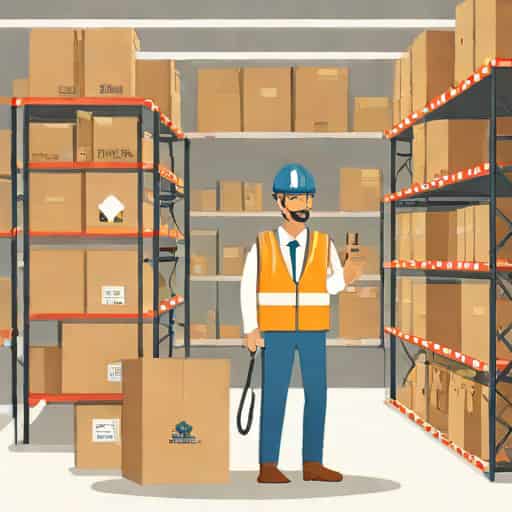
In any warehouse environment, the role of a storekeeper is one of the most essential and demanding. A storekeeper is responsible for maintaining order, accuracy, and efficiency in the management of materials, products, and supplies. Whether in a manufacturing plant, retail warehouse, or distribution center, the responsibilities of a storekeeper in a warehouse go beyond merely keeping inventory. They ensure that the entire supply chain operates smoothly, that goods are stored safely, and that records are updated consistently to prevent costly errors or delays.
Understanding the Role of a Storekeeper
The storekeeper serves as the link between the procurement, inventory, and distribution departments. This role requires attention to detail, organizational skills, and knowledge of warehouse management systems. The responsibilities of a storekeeper in a warehouse are both administrative and operational. A good storekeeper not only records transactions but also ensures that the physical handling of goods meets company standards and safety requirements.
Key Responsibilities of a Storekeeper in a Warehouse
The responsibilities of a storekeeper can be grouped into several key areas, including inventory management, receiving and dispatching goods, maintaining records, and ensuring workplace safety.
1. Inventory Management
One of the primary duties of a storekeeper is to maintain accurate inventory records. This includes keeping track of stock levels, monitoring stock movements, and preventing shortages or overstocking. Storekeepers regularly update stock ledgers or use computerized systems to ensure that the data reflects the real-time situation in the warehouse. Proper inventory control helps the organization save costs, reduce waste, and maintain production flow without interruptions.
- Counting and verifying stock quantities during regular stock checks.
- Monitoring stock levels to prevent overstocking or shortages.
- Identifying slow-moving or obsolete items for disposal or clearance.
- Updating inventory software or manual records promptly after every transaction.
2. Receiving Goods
Another crucial responsibility of a storekeeper is receiving incoming goods from suppliers or production units. The storekeeper must verify that the delivered items match the purchase order in terms of quantity, quality, and specifications. They also ensure that the goods are properly labeled and stored in designated areas to prevent damage or confusion later.
- Checking delivery notes, invoices, and purchase orders for accuracy.
- Inspecting goods for damage or defects upon arrival.
- Ensuring items are stored according to type, size, or frequency of use.
- Reporting discrepancies to the procurement or quality control team immediately.
3. Issuing and Dispatching Goods
Storekeepers also play an important role in issuing materials to production teams or dispatching finished goods to customers. They must ensure that the right products are issued to the right department at the right time. Accuracy in dispatching prevents production delays and ensures customer satisfaction.
- Preparing goods for delivery based on customer or internal department requests.
- Coordinating with logistics teams for timely transportation.
- Maintaining a record of all outgoing goods with corresponding documentation.
- Ensuring packaging and labeling meet company and regulatory standards.
4. Record Keeping and Documentation
Accurate record-keeping is at the core of the storekeeper’s job. All movements of goods whether incoming or outgoing must be recorded properly. Modern warehouses often rely on computerized inventory management systems, but some still use manual registers or spreadsheets. The storekeeper ensures all data is updated and readily available for audits or management reports.
- Recording all stock movements in the warehouse management system.
- Maintaining invoices, delivery notes, and receipts in organized files.
- Providing regular reports to supervisors on inventory levels and discrepancies.
- Assisting in internal or external audits by supplying accurate stock data.
5. Ensuring Safety and Cleanliness
A warehouse can be a hazardous environment if not managed properly. A storekeeper is responsible for maintaining cleanliness and following safety protocols. This includes ensuring that goods are stored properly, that aisles are free from obstruction, and that safety equipment is available and used correctly. A tidy warehouse also enhances efficiency and reduces the risk of accidents.
- Following safety regulations when handling heavy or hazardous goods.
- Maintaining proper labeling for chemicals or fragile items.
- Ensuring that shelves and racks are stable and safe for use.
- Conducting routine inspections to identify potential safety risks.
6. Coordination with Other Departments
Storekeepers must maintain good communication with various departments, including procurement, production, and finance. This coordination ensures that materials are ordered on time, stock levels are optimized, and costs are controlled. The storekeeper acts as a bridge that connects operational activities with administrative planning.
- Working closely with procurement to reorder materials as needed.
- Communicating with production teams about inventory shortages or delays.
- Providing stock valuation data for accounting and budgeting purposes.
Skills and Qualities Required for a Good Storekeeper
Being a successful storekeeper requires a mix of technical, organizational, and interpersonal skills. Modern warehouse management demands not only physical capability but also technological literacy. Storekeepers often handle inventory software, scanners, and digital tools to streamline their work. Some of the key qualities include
- Attention to detailEssential for accurate stock recording and error prevention.
- OrganizationAbility to manage multiple tasks while maintaining order.
- CommunicationClear coordination with suppliers and colleagues.
- Problem-solvingQuick decision-making when issues like shortages arise.
- Technical knowledgeFamiliarity with warehouse systems and storage methods.
Importance of a Storekeeper in Warehouse Operations
The efficiency of a warehouse largely depends on how well the storekeeper performs their responsibilities. A competent storekeeper minimizes delays, reduces waste, and improves workflow. They ensure that materials are available when needed and that customers receive products on schedule. Moreover, their accurate record-keeping supports financial transparency and operational planning.
Impact on Business Performance
When storekeepers perform their duties efficiently, they directly contribute to higher productivity and cost savings. Errors in inventory management can lead to lost revenue or production halts, while efficient systems ensure seamless operations. Therefore, a storekeeper is not just a warehouse worker but a vital part of the business infrastructure.
The responsibilities of a storekeeper in a warehouse are wide-ranging and crucial to the smooth functioning of any supply chain. From managing stock and verifying deliveries to ensuring safety and keeping records, every task contributes to operational efficiency. A skilled and dedicated storekeeper helps prevent losses, ensures accuracy, and supports the company’s long-term goals. In today’s fast-moving business environment, their role is more important than ever in maintaining the balance between supply and demand.