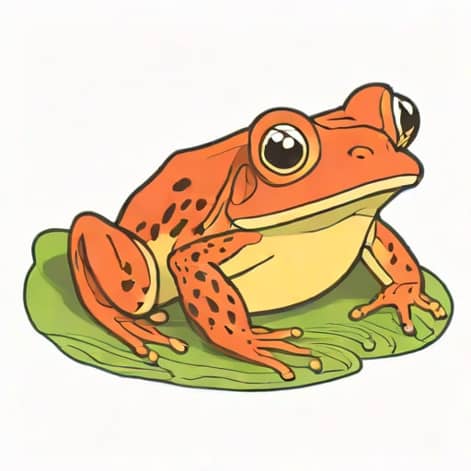
The red bellied squeaker frog is a fascinating amphibian known for its distinctive coloration and unique vocalizations. Found in specific regions of Africa, this small frog species draws attention not only for its vibrant red belly but also for the high-pitched squeaking sound it produces, which plays a vital role in communication and mating. Studying the red bellied squeaker frog offers insights into amphibian behavior, environmental adaptation, and conservation challenges. These frogs are indicators of healthy ecosystems, and understanding their biology and habitat requirements can help preserve both the species and their natural environments. In this topic, we will explore the red bellied squeaker frog’s characteristics, habitat, behavior, diet, reproduction, threats, and conservation efforts.
Physical Characteristics
Distinctive Red Belly
One of the most striking features of the red bellied squeaker frog is its vibrant red or orange-colored belly, which contrasts with its typically brown or green dorsal side. This coloration is thought to serve as a warning to predators or as a display during mating rituals. The intensity of the red coloration can vary depending on the frog’s age, sex, and environmental conditions.
Size and Body Structure
Red bellied squeaker frogs are small, usually measuring between 2 and 4 centimeters in length. They have slender bodies, long hind legs adapted for jumping, and smooth, moist skin that facilitates respiration through their skin as well as their lungs. Their eyes are prominent, providing a wide field of vision to detect predators and prey.
Habitat and Distribution
Geographic Range
The red bellied squeaker frog is native to certain regions in southern and eastern Africa, including areas with forests, grasslands, and wetlands. These frogs are often found near freshwater sources such as ponds, streams, and marshes, which provide ideal breeding and feeding environments.
Preferred Habitat
These frogs thrive in humid environments with dense vegetation that offers shelter and protection from predators. Leaf litter, fallen logs, and rocks near water sources are common hiding places. Seasonal variations in rainfall can influence their activity patterns, with increased visibility during wet seasons when they breed and feed actively.
Behavior and Vocalization
Squeaking Call
The red bellied squeaker frog gets its name from its distinctive squeaking call, which is high-pitched and often used for communication between males and females. The call serves multiple purposes, including attracting mates, establishing territory, and warning rival males. During the breeding season, males often call from concealed locations near water to maximize the chances of attracting a female.
Nocturnal Activity
These frogs are primarily nocturnal, becoming most active at night when humidity is high, and temperatures are cooler. Nighttime activity helps reduce predation risks and allows the frogs to exploit food sources that are more abundant in the dark, such as insects and other invertebrates.
Diet and Feeding
Insectivorous Diet
The red bellied squeaker frog is an insectivore, feeding on a variety of small insects and invertebrates. Common prey items include ants, flies, beetles, spiders, and moths. Their long, sticky tongue allows them to capture prey efficiently, and their keen eyesight helps locate food in low-light conditions.
Feeding Behavior
These frogs actively hunt by stalking or ambushing their prey. They are opportunistic feeders, consuming whatever small insects are available in their habitat. Juvenile frogs may feed on smaller prey such as mites or tiny insects, gradually expanding their diet as they grow.
Reproduction and Life Cycle
Breeding Season
Red bellied squeaker frogs breed primarily during the rainy season when water is abundant. Males call to attract females, and once a mate is selected, external fertilization occurs in water. Eggs are typically laid in clusters or small masses attached to vegetation or floating on the water’s surface.
Tadpole Development
The eggs hatch into tadpoles, which are aquatic and undergo metamorphosis over several weeks. During this time, tadpoles feed on algae and detritus, gradually developing legs and absorbing their tails as they transition into juvenile frogs. Once metamorphosis is complete, young frogs leave the water to explore terrestrial environments while continuing to grow.
Threats and Conservation
Habitat Loss
The primary threat to the red bellied squeaker frog is habitat destruction caused by deforestation, agricultural expansion, and urban development. Loss of freshwater habitats such as ponds and wetlands reduces breeding sites and shelter, impacting population numbers significantly.
Pollution and Climate Change
Pollution from pesticides, industrial runoff, and household waste can contaminate water sources, posing a threat to eggs, tadpoles, and adult frogs. Additionally, climate change affects rainfall patterns and water availability, which can disrupt breeding cycles and reduce suitable habitats.
Conservation Efforts
Conservation initiatives for the red bellied squeaker frog focus on habitat protection, restoration of wetlands, and monitoring populations in the wild. Protected areas, such as national parks and reserves, help preserve natural habitats. Environmental education and community engagement also play a role in reducing human impact and promoting conservation awareness.
Importance in Ecosystems
Role in Food Chains
Red bellied squeaker frogs play a vital role in controlling insect populations, acting as natural pest control agents. They also serve as prey for birds, snakes, and larger amphibians, contributing to balanced food webs in their ecosystems.
Indicator Species
Amphibians, including the red bellied squeaker frog, are sensitive to environmental changes, making them important bioindicators. A healthy population of these frogs indicates a stable ecosystem, while declining numbers can signal pollution, habitat degradation, or climate-related problems that need attention.
Observation and Study
Field Research
Researchers study red bellied squeaker frogs in the wild to monitor population trends, breeding behaviors, and habitat preferences. Observations often involve listening for their characteristic squeaks, identifying breeding sites, and documenting interactions with other species.
Captive Study
Some studies involve keeping red bellied squeaker frogs in controlled environments to understand their reproductive biology, dietary needs, and stress responses. These studies help inform conservation strategies and improve the chances of survival in both wild and managed habitats.
The red bellied squeaker frog is a unique and ecologically important amphibian that captivates researchers and nature enthusiasts alike. Its distinctive red belly, high-pitched squeaks, and role in ecosystems highlight the intricate connections within natural habitats. Protecting its environment from habitat loss, pollution, and climate impacts is crucial for the survival of this species. By studying and conserving red bellied squeaker frogs, we gain valuable insights into amphibian biology, environmental health, and the importance of preserving biodiversity for future generations.