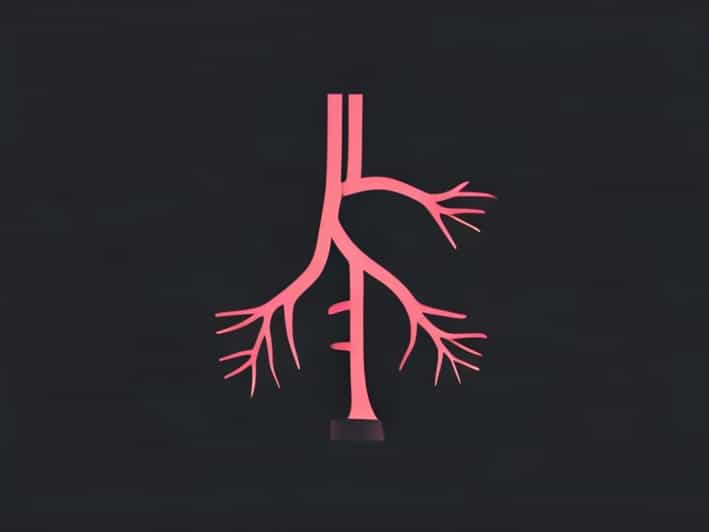
The recurrent laryngeal nerve is a critical component of the human nervous system, playing an essential role in controlling voice, swallowing, and certain reflexes. Many medical students, clinicians, and anatomy enthusiasts often ask Recurrent laryngeal nerve, what does it innervate? Understanding its innervation is crucial for surgical procedures, diagnosis of nerve injuries, and the study of head and neck anatomy. This nerve is part of the vagus nerve (cranial nerve X) and has a unique anatomical course that distinguishes it from other nerves in the body. Its functions are vital for speech production and airway protection, and any injury can lead to significant clinical consequences such as hoarseness, difficulty swallowing, or even breathing problems.
Anatomy of the Recurrent Laryngeal Nerve
The recurrent laryngeal nerve branches from the vagus nerve and has a distinct looping path before it ascends back toward the larynx. On the right side of the body, the nerve loops around the subclavian artery, while on the left, it loops around the aortic arch. This anatomical difference explains why left-sided recurrent laryngeal nerve injuries can be more common during cardiac or thoracic surgeries. Its course is intricate, passing close to the thyroid gland, esophagus, and trachea, making it vulnerable during neck surgeries such as thyroidectomy.
Pathway and Course
The recurrent laryngeal nerve travels in the tracheoesophageal groove, closely accompanying blood vessels and the esophagus. After looping around the respective artery, it ascends toward the larynx, entering near the cricothyroid joint. Its anatomical pathway allows it to provide motor and sensory innervation to structures in the larynx and upper airway. Surgeons and clinicians must be aware of this pathway to avoid inadvertent injury, which can result in vocal cord paralysis or other complications.
Motor Innervation of the Recurrent Laryngeal Nerve
One of the primary functions of the recurrent laryngeal nerve is motor innervation. It supplies almost all the intrinsic muscles of the larynx, which are responsible for vocal cord movement, except for the cricothyroid muscle. These muscles are essential for phonation, controlling pitch, tone, and volume of the voice. Damage to the recurrent laryngeal nerve can lead to paralysis of these muscles, resulting in hoarseness, breathy voice, or loss of vocal ability in severe cases.
Intrinsic Muscles of the Larynx
The intrinsic muscles innervated by the recurrent laryngeal nerve include
- Lateral cricoarytenoid muscle – responsible for closing the vocal cords.
- Posterior cricoarytenoid muscle – the only muscle that opens the vocal cords.
- Thyroarytenoid muscle – adjusts tension in the vocal cords.
- Interarytenoid muscles – responsible for adducting the vocal cords.
These muscles coordinate to allow precise control of vocal cord movement, essential for speech, breathing, and airway protection. The cricothyroid muscle, responsible for tensioning the vocal cords, is innervated by the external branch of the superior laryngeal nerve, not the recurrent laryngeal nerve, highlighting the specialized functions of different branches of the vagus nerve.
Sensory Innervation of the Recurrent Laryngeal Nerve
In addition to motor functions, the recurrent laryngeal nerve provides sensory innervation to certain regions of the larynx and surrounding structures. Sensory feedback is crucial for protecting the airway during swallowing and preventing aspiration. The nerve supplies sensation to the mucosa of the larynx below the vocal cords, trachea, and parts of the esophagus. This allows reflexes such as coughing to occur in response to foreign ptopics or irritants entering the airway.
Clinical Significance of Sensory Innervation
Loss of sensory innervation due to injury of the recurrent laryngeal nerve can lead to diminished protective reflexes. This can increase the risk of aspiration pneumonia, especially in patients with neurological disorders or after neck surgery. Clinicians use knowledge of this sensory distribution to assess nerve integrity through reflex tests and laryngoscopy.
Recurrent Laryngeal Nerve Injury
Understanding what the recurrent laryngeal nerve innervates is essential for recognizing and managing nerve injuries. Damage can occur during thyroid surgery, carotid artery procedures, or thoracic surgery. Symptoms of injury include hoarseness, weak or breathy voice, difficulty swallowing, and, in bilateral injuries, severe airway obstruction. Early recognition and intervention are critical to prevent long-term complications.
Causes of Injury
- Thyroidectomy or parathyroid surgery
- Cardiac surgery, especially on the aortic arch
- Trauma to the neck or chest
- Compression from tumors or masses in the mediastinum
Diagnosis and Assessment
Healthcare professionals assess recurrent laryngeal nerve function through physical examination, laryngoscopy, and voice evaluation. Electromyography can be used to evaluate nerve activity and identify the extent of injury. Understanding its innervation helps in predicting the specific symptoms and guiding treatment plans for patients with nerve damage.
Summary of Recurrent Laryngeal Nerve Functions
To summarize, the recurrent laryngeal nerve plays a dual role in the larynx and upper airway. Its motor innervation includes nearly all intrinsic laryngeal muscles except the cricothyroid, allowing precise control of vocal cord movement. Its sensory innervation covers the mucosa below the vocal cords, trachea, and portions of the esophagus, facilitating protective reflexes. Knowledge of these functions is vital for understanding voice physiology, airway protection, and clinical implications of nerve injuries.
Key Points
- Motor innervates all intrinsic laryngeal muscles except cricothyroid.
- Sensory provides sensation to the larynx below vocal cords, trachea, and part of esophagus.
- Clinical relevance injury can cause hoarseness, voice changes, swallowing difficulties, or airway compromise.
- Anatomical pathway right nerve loops around subclavian artery, left nerve around aortic arch.
- Importance knowledge is essential for surgery, diagnosis, and managing voice disorders.
The recurrent laryngeal nerve is a vital component of the vagus nerve, performing essential motor and sensory functions in the larynx and upper airway. Understanding recurrent laryngeal nerve, what does it innervate is critical for medical professionals and anyone studying human anatomy. Its motor control of vocal cord muscles and sensory innervation of the airway ensures proper voice production, swallowing, and airway protection. Awareness of its anatomy and innervation is essential in preventing and managing injuries, particularly during surgical procedures in the neck and thorax. Overall, the recurrent laryngeal nerve illustrates the complexity of the nervous system and highlights the delicate interplay between anatomy and function, emphasizing the importance of careful study and clinical awareness.