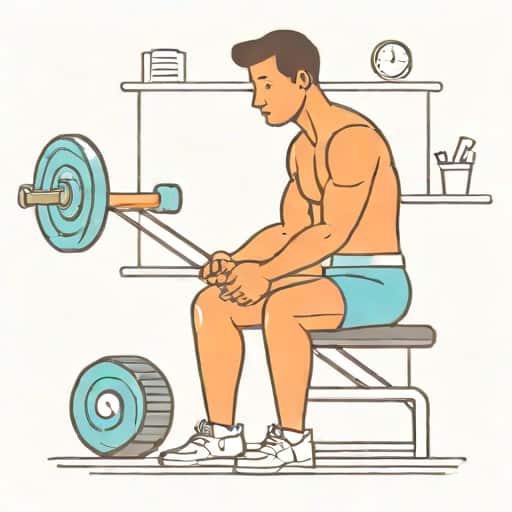
Muscle recovery is an essential part of any fitness routine, whether you are an athlete, a bodybuilder, or simply someone who enjoys regular physical activity. After intense exercise, muscles undergo micro-tears and stress that require proper nutrition, rest, and care to repair effectively. Knowing what to take for muscle recovery can significantly improve performance, reduce soreness, and promote overall health. Recovery is not just about resting; it involves a combination of proper diet, hydration, supplementation, and lifestyle habits that optimize muscle repair and growth.
Importance of Muscle Recovery
Muscle recovery is a critical component of fitness because it allows your body to repair and strengthen tissues that have been stressed during workouts. Without adequate recovery, you risk overtraining, injury, and fatigue. Recovery helps restore glycogen levels, repair damaged muscle fibers, and reduce inflammation, which ultimately contributes to better performance and physical health. Understanding what to take for muscle recovery can enhance these processes and help you achieve your fitness goals more efficiently.
Signs You Need Muscle Recovery
It’s important to recognize the signs that your muscles need recovery. Common indicators include
- Persistent muscle soreness or stiffness
- Fatigue and lack of energy
- Decreased strength or performance during workouts
- Increased risk of injury or strains
- Sleep disturbances or irritability
Addressing these signs promptly with proper nutrition, hydration, and rest can prevent long-term damage and improve your overall training experience.
Nutrition for Muscle Recovery
What you eat plays a crucial role in muscle recovery. Proper nutrition provides the building blocks necessary for repairing and strengthening muscles after exercise. Key nutrients include proteins, carbohydrates, fats, vitamins, and minerals, each of which contributes to different aspects of recovery.
Protein
Protein is vital for repairing and building muscle tissue. After exercise, consuming high-quality protein helps stimulate muscle protein synthesis and accelerates recovery. Sources of protein include
- Lean meats such as chicken, turkey, and beef
- Fish and seafood
- Eggs and dairy products like yogurt and milk
- Plant-based proteins such as tofu, legumes, and quinoa
- Protein supplements, including whey, casein, or plant-based powders
Ideally, you should consume protein within 30 to 60 minutes after exercise to maximize muscle repair.
Carbohydrates
Carbohydrates are essential for replenishing glycogen stores that are depleted during exercise. Glycogen is the primary fuel for muscles during high-intensity workouts, and restoring it helps reduce fatigue and support future performance. Good carbohydrate sources for recovery include
- Whole grains like oats, brown rice, and quinoa
- Fruits such as bananas, berries, and apples
- Vegetables, especially starchy ones like sweet potatoes and peas
- Legumes including lentils and chickpeas
Pairing carbohydrates with protein after exercise enhances glycogen replenishment and muscle repair.
Fats
Healthy fats help reduce inflammation and support overall health during recovery. While fats do not directly build muscle, they play a role in hormone regulation, which affects muscle growth. Sources of healthy fats include
- Avocados and olive oil
- Nuts and seeds like almonds, walnuts, and chia seeds
- Fatty fish such as salmon, mackerel, and sardines
Vitamins and Minerals
Micronutrients are crucial for recovery. Certain vitamins and minerals support energy metabolism, reduce oxidative stress, and promote tissue repair. Key nutrients include
- Vitamin C and E – antioxidants that reduce inflammation
- Magnesium – important for muscle relaxation and nerve function
- Potassium – helps prevent cramps and maintains electrolyte balance
- Zinc – essential for protein synthesis and tissue repair
Hydration for Recovery
Water is critical for recovery because it helps transport nutrients, remove waste products, and regulate body temperature. Dehydration can impair muscle function and increase soreness. Drinking water before, during, and after exercise is essential. Electrolyte-rich beverages can also be beneficial after intense or prolonged workouts to restore sodium, potassium, and magnesium lost through sweat.
Post-Workout Drinks
- Water with a pinch of salt or electrolyte tablets
- Sports drinks for prolonged or high-intensity workouts
- Protein shakes with added fruits or milk for both protein and carbohydrates
Supplements for Muscle Recovery
In addition to whole foods, certain supplements can support muscle recovery. These supplements can help reduce inflammation, enhance protein synthesis, and replenish glycogen stores. Some commonly used supplements include
Branched-Chain Amino Acids (BCAAs)
BCAAs, including leucine, isoleucine, and valine, are essential amino acids that support muscle repair and reduce muscle soreness. They can be consumed before or after workouts to optimize recovery.
Creatine
Creatine helps replenish ATP stores, enhancing energy availability during intense exercise. It also supports muscle growth and recovery, making it popular among strength athletes.
Omega-3 Fatty Acids
Omega-3s, found in fish oil supplements, have anti-inflammatory properties that may reduce muscle soreness and promote faster recovery.
Glutamine
Glutamine is an amino acid that supports immune function and helps repair muscle tissue, particularly during periods of intense training or stress.
Rest and Recovery Techniques
In addition to nutrition and supplementation, adequate rest and recovery techniques are vital for muscle repair. Sleep, stretching, and active recovery exercises all contribute to improved muscle health.
Sleep
Sleep is when the body performs most of its tissue repair and hormone regulation. Aim for 7 to 9 hours of quality sleep per night to optimize recovery.
Stretching and Mobility
Gentle stretching and mobility exercises reduce stiffness, improve blood flow, and promote flexibility. This supports muscle repair and helps prevent injuries.
Active Recovery
Low-intensity activities such as walking, swimming, or cycling can enhance circulation and reduce muscle soreness without placing additional stress on the muscles.
Knowing what to take for muscle recovery involves a combination of proper nutrition, hydration, supplementation, and rest. Proteins, carbohydrates, healthy fats, vitamins, and minerals provide the building blocks for repairing and strengthening muscles. Hydration and electrolytes help maintain optimal muscle function, while supplements like BCAAs, creatine, and omega-3s can further support recovery. Rest, sleep, and active recovery techniques are equally important. By integrating these strategies into your routine, you can reduce muscle soreness, enhance performance, and support long-term health and fitness goals. Understanding and implementing effective muscle recovery practices ensures that your body can adapt to training stress, grow stronger, and achieve optimal results.