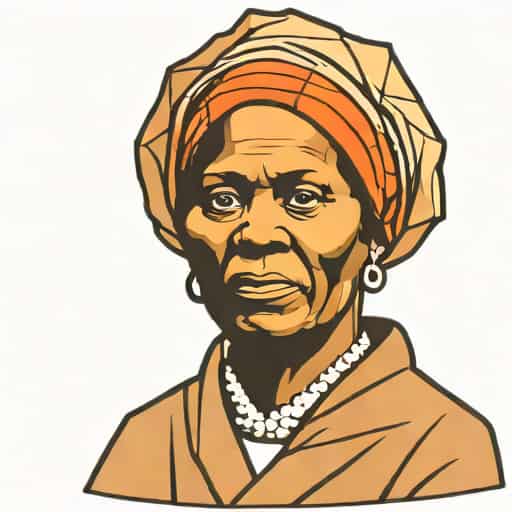
Questions about Harriet Tubman often arise when people learn about her extraordinary life and the impact she had on American history. Harriet Tubman, born into slavery around 1822, became one of the most iconic figures in the fight for freedom and equality. Her bravery, leadership, and dedication to helping others escape the bonds of slavery have inspired generations. From her role as a conductor on the Underground Railroad to her contributions during the Civil War and advocacy for women’s suffrage, there is much to explore and understand about her life. In this topic, we will answer some of the most frequently asked questions about Harriet Tubman, shedding light on her achievements, struggles, and legacy.
Who Was Harriet Tubman?
Harriet Tubman was an African American woman born into slavery in Maryland. Despite facing unimaginable hardships, she escaped slavery and went on to lead hundreds of enslaved people to freedom through the Underground Railroad. Tubman’s courage and resilience made her a symbol of resistance against oppression and a key figure in American history. She is often celebrated not only for her daring escapes but also for her unwavering commitment to justice and equality.
Early Life and Childhood
Harriet Tubman was born Araminta Ross in Dorchester County, Maryland. She endured harsh conditions as a child under slavery, including hard labor and physical abuse. Despite these challenges, she developed strong determination and a sense of justice. Questions about her early life often focus on how her upbringing shaped her character and prepared her for the extraordinary feats she would accomplish later in life.
How Did Harriet Tubman Escape Slavery?
Harriet Tubman escaped from slavery in 1849 after enduring years of brutal treatment. She traveled north to Philadelphia using a network of safe houses and supporters, which later became known as the Underground Railroad. Tubman’s escape required immense courage, careful planning, and an unwavering belief in freedom. Her successful escape became a turning point, leading her to dedicate her life to helping others achieve the same freedom.
The Underground Railroad
The Underground Railroad was not an actual railroad but a secret network of routes, safe houses, and guides that helped enslaved people escape to free states and Canada. Harriet Tubman became one of its most famous conductors, making numerous trips back to the South to lead enslaved individuals to freedom. Questions about Tubman often focus on how she managed these dangerous missions, the risks involved, and the strategies she used to evade capture.
How Many People Did Harriet Tubman Help?
Harriet Tubman is estimated to have helped over 70 enslaved people escape through her work with the Underground Railroad. Each mission was fraught with danger, as escaping slaves faced the constant threat of being caught and punished. Tubman’s remarkable ability to navigate complex terrain, remain undetected, and lead groups safely to freedom highlights her extraordinary leadership and bravery. She became known as Moses for her role in guiding people to liberty, a nickname reflecting her profound impact on the lives she saved.
What Role Did Harriet Tubman Play in the Civil War?
During the American Civil War, Harriet Tubman served as a nurse, cook, and spy for the Union Army. She provided critical support to soldiers, including tending to the sick and wounded, gathering intelligence, and assisting in strategic missions. Tubman’s contributions extended beyond direct combat; she helped organize raids that liberated enslaved people from Confederate territories. Questions about her wartime role often explore her unique skills, courage under fire, and the ways she challenged societal expectations for women at the time.
Did Harriet Tubman Advocate for Women’s Rights?
Yes, Harriet Tubman was an advocate for women’s rights later in her life. After the Civil War, she supported the women’s suffrage movement, working alongside prominent activists like Susan B. Anthony. Tubman believed in equality for all people and dedicated her later years to promoting social justice, education, and civil rights. Questions about this aspect of her life highlight her broader commitment to justice and the interconnectedness of struggles for freedom and gender equality.
Where Did Harriet Tubman Live Later in Life?
Later in life, Harriet Tubman settled in Auburn, New York. There, she established a home for elderly and disabled African Americans and continued her work as an advocate for social causes. Her home in Auburn became a center of community support and a place where she could continue her humanitarian work. Questions about her later years often focus on how she balanced personal life with her ongoing commitment to helping others and how her legacy continued to grow even after her active missions ended.
When Did Harriet Tubman Die?
Harriet Tubman passed away on March 10, 1913, at the age of approximately 91. Even in death, her legacy continued to inspire generations of Americans and people worldwide. She was remembered not only for her heroic deeds but also for her unwavering dedication to justice, equality, and human rights. Questions about her death often lead to reflections on her lasting impact and how she is commemorated today through monuments, schools, and historical recognition.
Why Is Harriet Tubman Important in History?
Harriet Tubman is important in history because she symbolizes courage, resilience, and the fight for freedom. Her actions directly challenged the institution of slavery and inspired countless people to believe in the possibility of liberation. Tubman’s life also highlights the roles of women and African Americans in shaping American history, often in the face of immense adversity. Questions about her significance often focus on how her work influenced the abolitionist movement, civil rights, and the ongoing struggle for equality.
Legacy and Recognition
Harriet Tubman’s legacy continues to be honored in multiple ways. She is celebrated in schools, literature, films, and public monuments. Her life story is taught as part of American history to inspire future generations about the values of bravery, justice, and humanitarianism. Questions about her legacy often include how her contributions are remembered today and why she remains a symbol of hope and courage.
Tips for Learning More About Harriet Tubman
For those interested in learning more about Harriet Tubman, consider exploring historical documents, biographies, and educational resources. Visiting museums, historical sites, and participating in lectures or online courses can provide deeper insights into her life and impact. Questions about her can also lead to discussions about the broader historical context of slavery, the Civil War, and the women’s suffrage movement, offering a comprehensive understanding of her era.
- Read biographies and historical accounts about Harriet Tubman.
- Visit historical landmarks and museums dedicated to her life.
- Engage with documentaries and films to visualize her contributions.
- Participate in educational discussions or online courses about American history and social justice.
- Reflect on her legacy and consider how her actions inspire modern social movements.
Questions about Harriet Tubman often reveal a deep curiosity about her remarkable life, her courageous actions, and her enduring impact on history. From escaping slavery and leading hundreds to freedom, to supporting the Union Army and advocating for women’s rights, Tubman’s life story is filled with lessons of bravery, leadership, and compassion. By exploring her life, achievements, and legacy, we gain a greater appreciation for the struggles and triumphs of those who fought for justice and equality. Harriet Tubman remains an enduring symbol of hope, resilience, and the power of individual action to create profound change in society.