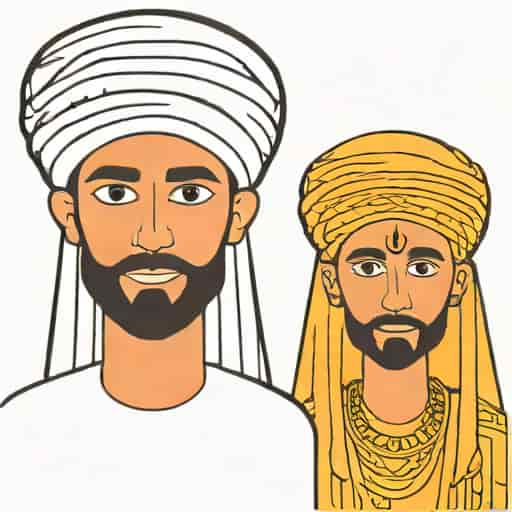
Qu’est-ce qu’un Yemenite, or what is a Yemenite, refers to the people, culture, and traditions originating from Yemen, a country located on the southern tip of the Arabian Peninsula. Yemenites have a rich historical and cultural heritage that dates back thousands of years, encompassing unique social structures, religious practices, music, cuisine, and art. The term Yemenite can also specifically refer to Jewish Yemenites, who are part of a distinct ethno-religious community with unique customs and traditions. Understanding what it means to be Yemenite involves exploring their history, language, cultural identity, and contributions to the broader Middle Eastern and global societies. This topic delves into the Yemenite people, highlighting their heritage, lifestyle, and lasting impact.
Historical Background of Yemenites
The Yemenite people have a history that stretches back to ancient civilizations, including the Sabaean and Himyarite kingdoms. These civilizations were known for their advanced architecture, trade networks, and contributions to agriculture and engineering. Yemen’s strategic location along the Red Sea and Arabian Peninsula made it a center for commerce and cultural exchange, influencing the development of its diverse communities. Yemenites, both Muslim and Jewish, have lived in this region for centuries, maintaining traditions that have been passed down through generations despite political upheavals and migrations.
Yemenite Jewish Community
The Yemenite Jewish community represents a significant portion of the Yemenite identity, known for preserving ancient Jewish traditions, rituals, and religious texts. Historically, Yemenite Jews maintained their own pronunciation of Hebrew, unique liturgical customs, and traditional clothing styles. They played a crucial role in the transmission of Jewish learning and cultural heritage, with many eventually migrating to Israel and other countries, where they continue to influence modern Jewish practices.
- Distinct religious traditions and rituals.
- Preservation of unique Hebrew pronunciation.
- Historical migration and integration into global Jewish communities.
- Contributions to religious scholarship and cultural heritage.
Language and Communication
Yemenites speak Arabic, with regional dialects that have distinct linguistic features. The Yemenite dialects are known for their rich vocabulary, unique pronunciation, and retention of certain classical Arabic forms. Yemenite Jews historically used Judeo-Arabic, a variant of Arabic written in Hebrew script, to communicate, preserving religious texts and literature. Language is a key element of Yemenite identity, reflecting both historical influences and cultural continuity.
Judeo-Yemeni Language
- Used for religious texts and community communication.
- Preservation of classical Arabic forms and expressions.
- Integration with Hebrew for liturgical purposes.
- Facilitates transmission of cultural knowledge across generations.
Cultural Practices and Traditions
Yemenite culture is rich in music, dance, cuisine, and social customs. Yemenite Jews, in particular, are known for their traditional singing styles, often performed during religious ceremonies and celebrations. The rhythmic patterns, chants, and melodies have been preserved for centuries, reflecting a unique blend of Middle Eastern musical influences. Social customs emphasize family, community cohesion, and respect for elders, with ceremonies and festivals playing a central role in daily life.
Music and Dance
Yemenite music is characterized by intricate rhythms and vocal techniques. Traditional dances often accompany festive occasions, weddings, and religious events. Instruments such as the oud and various percussion instruments are commonly used, and the music serves both entertainment and ritual purposes.
Traditional Cuisine
- Use of spices, herbs, and grains in everyday dishes.
- Popular dishes include saltah, a hearty stew, and bint al-sahn, a sweet bread dessert.
- Shared meals are central to family and community gatherings.
- Traditional preparation methods passed down through generations.
Religious Practices
Religious observance is a defining aspect of Yemenite identity. For Muslim Yemenites, Islam shapes daily life, rituals, and festivals, including prayers, fasting during Ramadan, and celebration of Eid. For Yemenite Jews, religious practices include observing Shabbat, keeping kosher dietary laws, and celebrating Jewish festivals with unique liturgical and cultural traditions. Religious life fosters community cohesion, preserves historical heritage, and provides moral and spiritual guidance.
Yemenite Jewish Religious Customs
- Distinctive Torah reading and chanting styles.
- Unique interpretations of religious laws and customs.
- Traditional ceremonies for life events such as weddings and circumcisions.
- Maintenance of ritual artifacts, garments, and liturgical objects.
Migration and Diaspora
Throughout history, Yemenites have migrated due to economic opportunities, political changes, and social pressures. The 20th century saw significant emigration of Yemenite Jews to Israel, particularly during Operation Magic Carpet in 1949-1950, which airlifted tens of thousands to safety. Yemenite Muslims also migrated to neighboring countries and urban centers, contributing to diverse communities abroad. Migration has allowed Yemenites to preserve their culture while integrating into new societies, influencing art, cuisine, music, and religious practices worldwide.
Impact of Diaspora
- Preservation of Yemenite heritage in new countries.
- Fusion of Yemenite traditions with local cultures.
- Influence on global music, food, and religious practices.
- Creation of supportive diaspora communities for cultural continuity.
Contemporary Yemenite Identity
Today, being Yemenite encompasses both a sense of historical pride and the adaptation to modern life. Yemenites maintain connections to their heritage through music, culinary traditions, and religious observance, even in diaspora communities. Education, professional engagement, and participation in broader societal activities have allowed Yemenites to thrive while preserving their distinct cultural identity. The Yemenite identity continues to evolve, balancing tradition with contemporary global influences.
Preserving Heritage
- Community organizations promoting cultural education.
- Transmission of traditional music, dance, and recipes to younger generations.
- Celebration of festivals and religious observances in modern contexts.
- Documentation of historical narratives and oral histories.
Qu’est-ce qu’un Yemenite, or what it means to be Yemenite, involves a deep connection to a rich historical, cultural, and religious heritage. Yemenites, whether Muslim or Jewish, have preserved unique traditions, languages, music, cuisine, and social practices that reflect centuries of history and adaptation. Their contributions to global culture, particularly through migration and diaspora, demonstrate the resilience and vibrancy of Yemenite identity. Understanding Yemenites requires an appreciation of their historical roots, cultural expressions, and ongoing influence, illustrating how a community can maintain its distinct identity while interacting with the wider world.