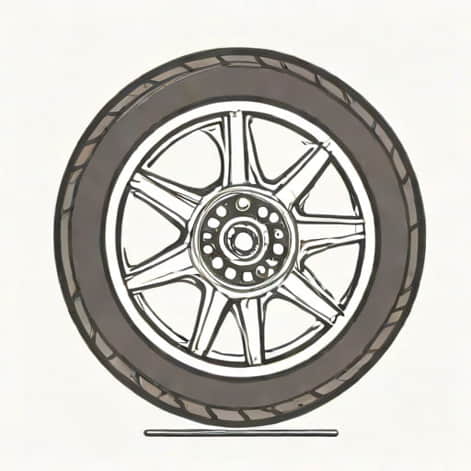
Understanding motorcycle tires is essential for every rider, and one of the most frequently asked questions is ¿Qué significa tubeless en una llanta de moto? or, in English, What does tubeless mean on a motorcycle tire? Tubeless tires have become increasingly popular due to their performance, safety, and maintenance advantages compared to traditional tube-type tires. For riders, knowing the differences between tubeless and tube tires can improve riding experience, prevent accidents, and save money on repairs. Tubeless tires are designed to hold air without an inner tube, which changes how punctures, inflation, and tire installation are handled, making them an important consideration for anyone who owns or rides a motorcycle.
Definition of Tubeless Tires
A tubeless motorcycle tire is a type of tire that does not require an inner tube to retain air. Unlike traditional tires, where a separate tube holds the air inside the tire casing, tubeless tires rely on an airtight seal between the tire and the rim. This seal prevents air from escaping, even if the tire experiences small punctures or irregularities. The concept of tubeless tires was developed to improve safety, reduce maintenance, and provide better performance for vehicles, including motorcycles.
How Tubeless Tires Work
The primary mechanism that allows a tire to be tubeless is the airtight fit between the tire bead and the rim. The tire bead is a reinforced edge that locks onto the wheel rim, creating a seal that keeps air inside. Modern rims are designed to match tubeless tires, ensuring a tight fit and preventing leaks. In addition, tubeless tires are often made with thicker sidewalls and specialized rubber compounds to enhance durability and maintain air pressure for longer periods. This construction allows the tire to maintain its shape and performance without relying on an inner tube.
Advantages of Tubeless Motorcycle Tires
Tubeless tires offer numerous advantages over tube-type tires, making them a preferred choice for many motorcyclists. These benefits include safety, convenience, performance, and cost-effectiveness over time. Riders who switch to tubeless tires often notice better control, fewer flat tires, and easier maintenance compared to traditional tube tires.
Improved Safety
One of the main advantages of tubeless tires is enhanced safety. In the event of a puncture, tubeless tires lose air more slowly than tube-type tires, allowing riders more time to stop safely. This is because the air escapes gradually through the puncture rather than causing an immediate blowout. Additionally, tubeless tires reduce the risk of sudden tire failure, which can prevent accidents and injuries during high-speed riding.
Convenience and Easy Maintenance
Tubeless tires are easier to maintain compared to traditional tires. Since there is no inner tube, minor punctures can often be repaired without removing the tire from the rim, using a plug or sealant. This reduces downtime and makes roadside repairs quicker and more convenient. Moreover, tubeless tires require less frequent air pressure checks, as they generally maintain pressure longer due to their airtight seal.
Better Performance
Motorcycle performance also benefits from tubeless tires. They tend to be lighter than tube-type tires because there is no inner tube, which reduces unsprung weight and improves handling. Tubeless tires also provide better heat dissipation, reducing the chances of tire failure due to overheating during long rides or high-speed travel. The stronger sidewalls of tubeless tires enhance stability, grip, and overall ride comfort.
Cost-Effectiveness Over Time
While tubeless tires may initially cost more than tube-type tires, they can be more cost-effective in the long run. Reduced risk of blowouts, easier repairs, and longer lifespan contribute to lower maintenance costs. Riders spend less on replacing inner tubes and handling frequent punctures, making tubeless tires an economically advantageous option for regular motorcyclists.
Disadvantages of Tubeless Tires
Although tubeless tires have many advantages, they also have some limitations. Riders should consider these drawbacks when choosing tires for their motorcycles. Some disadvantages include compatibility issues, repair challenges for major damage, and slightly higher initial costs.
Compatibility
Not all motorcycle rims are designed for tubeless tires. Riders may need to ensure that their wheels are compatible with tubeless technology before purchasing these tires. Installing a tubeless tire on a tube-type rim can cause air leaks and compromise safety, so compatibility is essential.
Repair Limitations
While small punctures in tubeless tires can often be repaired with plugs or sealants, major sidewall damage or large punctures still require tire replacement. In contrast, tube-type tires sometimes allow for temporary inner tube replacements. Therefore, riders must understand that tubeless tires are not invulnerable and still require careful inspection and maintenance.
Initial Cost
The initial cost of tubeless tires is generally higher than tube-type tires. However, this upfront investment is offset by the advantages of reduced maintenance, fewer flat tires, and improved performance over time. For many riders, the long-term benefits outweigh the initial expense.
Choosing the Right Tubeless Tire
When selecting a tubeless motorcycle tire, riders should consider factors such as tire size, type of riding, terrain, and manufacturer quality. Proper selection ensures optimal performance, safety, and durability. Consulting manufacturer guidelines and expert advice can help riders make informed decisions when upgrading to tubeless tires.
Tire Size and Type
Matching the correct tire size to your motorcycle rim is crucial. Tubeless tires come in various sizes for different motorcycles, including sport, touring, and off-road bikes. Choosing the right type of tire for your riding style ensures better grip, stability, and comfort during rides.
Terrain and Riding Conditions
Consider the conditions where you ride most frequently. For example, tubeless tires designed for off-road use have thicker sidewalls and deeper treads, while street tires focus on smooth surfaces and better cornering. Selecting a tire suited to your riding environment enhances performance and longevity.
Manufacturer Quality and Reviews
Investing in high-quality tubeless tires from reputable manufacturers ensures better reliability and safety. Reading reviews and checking ratings from other riders can provide valuable insight into tire performance, durability, and maintenance needs. Quality tires reduce the risk of punctures and improve overall riding experience.
In summary, tubeless in a motorcycle tire refers to a tire design that does not require an inner tube to maintain air pressure. Tubeless tires offer many advantages, including improved safety, easier maintenance, better performance, and long-term cost-effectiveness. However, riders should also consider limitations such as compatibility, repair options for major damage, and higher initial costs. Understanding these factors allows motorcyclists to make informed choices, ensuring safer rides and better overall performance. As tubeless technology continues to evolve, it has become a preferred choice for modern motorcycles, offering a combination of convenience, durability, and enhanced riding experience for enthusiasts worldwide.