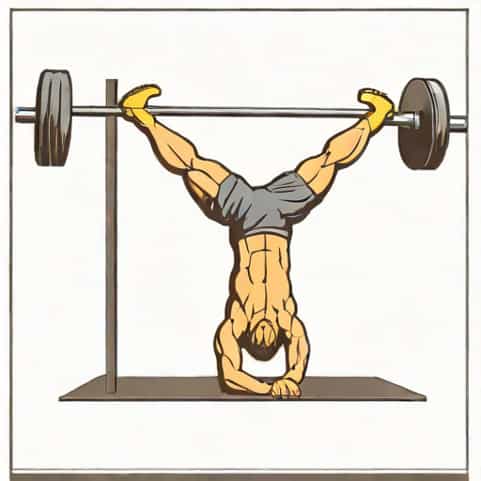
The handstand is a fundamental movement in CrossFit that requires balance, strength, and body control. While it might seem simple at first glance-just standing on your hands-performing a handstand in CrossFit involves precise technique, strong core engagement, and upper body stability. Many athletes use handstands not only as a skill to improve their body awareness but also as a functional exercise that strengthens the shoulders, arms, and wrists. In the CrossFit context, handstands are integrated into various workouts, often combined with other movements like push-ups or walking handstands, making them both a challenging and rewarding element of training.
Understanding the Handstand in CrossFit
In CrossFit, the handstand is more than just an inverted position; it is a foundational skill that enhances overall athletic performance. A proper handstand requires a straight line from the wrists to the toes, with the core and glutes engaged to maintain stability. Athletes often practice handstands against a wall initially to build confidence and strength before attempting free-standing handstands. Mastery of this movement improves coordination, shoulder endurance, and proprioception, which is the body’s ability to sense its position in space.
The Importance of Handstands
Handstands are crucial in CrossFit for several reasons. First, they develop upper body strength, particularly in the shoulders, triceps, and chest. Second, they enhance core stability, which is essential for almost every CrossFit movement. Third, handstands improve balance and body control, allowing athletes to execute more complex skills such as handstand push-ups or handstand walks. Additionally, handstands are a test of mental focus and confidence, as staying inverted can be intimidating for beginners.
Key Muscles Involved
Performing a handstand effectively requires coordination between multiple muscle groups. Understanding which muscles are engaged can help athletes train more efficiently and prevent injury.
Shoulders and Arms
The deltoids, triceps, and forearms are heavily involved in maintaining balance and supporting body weight during a handstand. Strong shoulders and stable arms provide the foundation for the entire movement.
Core and Glutes
The core muscles, including the abdominals and obliques, are critical for keeping the body straight and preventing sagging at the hips. Glutes also play a role in maintaining a rigid and controlled posture.
Wrists and Hands
The wrists and hands act as the primary points of contact with the ground. Proper wrist mobility and strength are essential for distributing weight and making micro-adjustments to maintain balance.
Common Handstand Variations in CrossFit
CrossFit incorporates handstands in multiple ways, allowing athletes to build strength progressively and increase complexity as they improve.
Wall Handstand
Wall handstands are often used as a beginner-friendly variation. Athletes kick up against a wall for support, focusing on alignment and engaging the correct muscles. This variation helps build confidence while minimizing the risk of falling.
Handstand Push-Ups
Once the basic handstand is mastered, handstand push-ups become a popular progression. This movement combines inversion with pressing strength, targeting the shoulders and triceps intensely. Handstand push-ups can be performed against a wall initially, with free-standing variations for advanced athletes.
Handstand Walks
Handstand walks are a more advanced skill that combines balance, coordination, and strength. Athletes move forward on their hands, taking controlled steps while maintaining a straight body line. This variation challenges stability and endurance, making it a staple in many CrossFit workouts.
Training Tips for Handstands in CrossFit
Developing a strong and stable handstand requires a structured training approach. CrossFit athletes often follow specific exercises and drills to improve strength, mobility, and balance.
Wrist and Shoulder Mobility
Wrist stretches, shoulder dislocates, and other mobility exercises help prepare the joints for the demands of handstands. Proper mobility reduces strain and prevents injuries.
Core Strengthening
Exercises like hollow holds, planks, and leg raises are essential for building the core strength needed to maintain a rigid handstand. A strong core helps control body position and prevents collapse at the hips.
Progressive Drills
- Wall-supported holds – maintain a straight line against a wall to build endurance.
- Kick-ups – practice controlled kicks into a handstand to improve balance and entry.
- Handstand holds with partial support – gradually move away from the wall to develop free-standing stability.
- Handstand shoulder taps – practice shifting weight while in a handstand to improve control.
Common Mistakes to Avoid
Many beginners make errors that can hinder progress or cause injury. Recognizing and correcting these mistakes is crucial for safe and effective handstand practice.
Arching the Back
An excessive arch in the lower back reduces stability and increases the risk of falling. Engaging the core and glutes helps maintain a straight line from hands to toes.
Poor Hand Placement
Hands placed too far apart or too close together can affect balance. Proper hand placement, shoulder-width apart, ensures optimal control.
Neglecting Wrist Conditioning
Wrist strength and mobility are often overlooked. Weak or stiff wrists can lead to discomfort and limit the ability to balance in a handstand.
Incorporating Handstands into Workouts
Handstands can be integrated into CrossFit workouts in various ways, depending on the training goals. They can serve as a skill practice, a warm-up, or part of high-intensity functional training routines.
As a Skill Practice
Practicing handstands daily or several times a week improves balance, strength, and confidence. Short, focused sessions can be highly effective for skill development.
As Part of WODs
Incorporating handstand push-ups, wall walks, or handstand holds into a WOD (Workout of the Day) adds a challenging component that tests strength, endurance, and coordination. These exercises often appear alongside movements like pull-ups, box jumps, or kettlebell swings to create a balanced full-body workout.
Scaling for Beginners
- Start with wall-supported handstands before attempting free-standing variations.
- Use partial range of motion for handstand push-ups until full strength develops.
- Include accessory exercises like shoulder presses and core work to build foundational strength.
Benefits of Practicing Handstands in CrossFit
Handstands offer numerous benefits beyond just skill acquisition. Regular practice strengthens the upper body, enhances core stability, improves balance and coordination, and increases body awareness. Additionally, the mental challenge of performing handstands develops focus, confidence, and perseverance, qualities that translate to other areas of CrossFit and daily life.
Physical Benefits
- Increased shoulder and arm strength
- Enhanced core stability
- Improved balance and proprioception
- Greater joint mobility, particularly in wrists and shoulders
- Improved overall body control and posture
Mental Benefits
- Boosts confidence by mastering a challenging skill
- Improves concentration and focus during complex movements
- Encourages perseverance and patience through progressive skill development
The handstand in CrossFit is a versatile and highly beneficial movement that combines strength, balance, and mental focus. From wall-supported holds to advanced handstand walks, this skill challenges athletes of all levels and helps build a strong foundation for other CrossFit movements. Incorporating handstands into training improves upper body strength, core stability, and coordination, while also developing confidence and focus. Whether practiced as a skill, part of a WOD, or integrated into high-intensity circuits, handstands remain an essential and rewarding component of CrossFit training for athletes seeking both physical and mental growth.