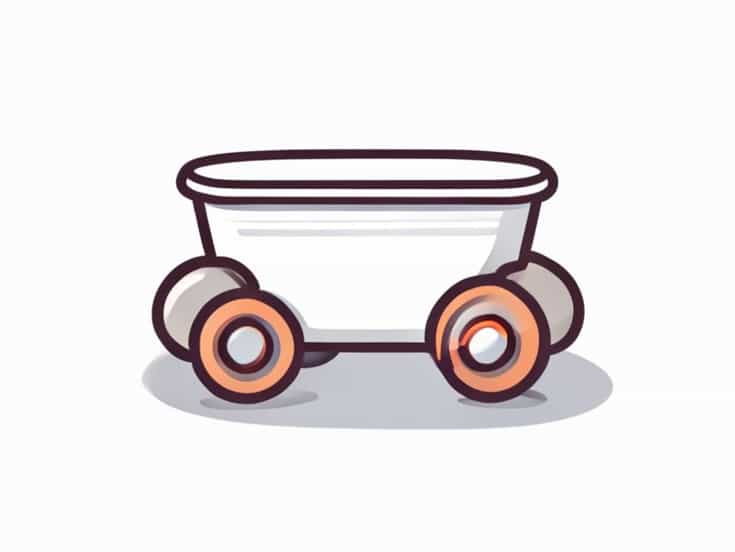
The concept of a platform on wheels supplied with a washtub may seem unusual at first, but it has practical applications in households, workshops, and even in creative engineering projects. This simple yet innovative design combines mobility, convenience, and functionality, allowing users to transport water, tools, or other materials with minimal effort. Such platforms are often used in rural areas, small-scale industries, or domestic settings where manual labor is involved in moving heavy or bulky items. Understanding the advantages, design considerations, and uses of a wheeled platform equipped with a washtub can help individuals optimize their workflow, save energy, and increase efficiency in various tasks. From everyday chores to small business operations, this combination offers a versatile solution that addresses practical challenges effectively.
Design and Structure of a Platform on Wheels with a Washtub
A platform on wheels supplied with a washtub typically consists of a sturdy base with four or more wheels, designed to bear weight evenly. The washtub is securely attached to the platform, ensuring that it remains stable even when filled with water, tools, or other materials. Materials used for the platform may include wood, metal, or durable plastics, while wheels can be made of rubber or metal, depending on the terrain and load requirements. The washtub itself is usually made of plastic, metal, or fiberglass to withstand wear and tear, resist corrosion, and provide sufficient capacity for its intended use. Safety features such as brakes or locking mechanisms may be added to prevent unwanted movement during use.
Key Components
- Base Platform Provides stability and support for the load carried by the washtub.
- Wheels or Casters Allow mobility and ease of transport over different surfaces.
- Washtub Acts as the container for water, tools, or other materials.
- Handles Facilitate pushing or pulling the platform safely and comfortably.
- Reinforcements Braces, straps, or mounts to ensure the washtub remains secure during movement.
Practical Applications
The combination of a platform on wheels with a washtub has numerous practical applications across different settings. In domestic environments, it can be used for laundry, transporting water for cleaning purposes, or moving gardening supplies. In workshops or small factories, it can help move heavy tools, parts, or liquids, reducing the risk of injury and improving efficiency. In agricultural contexts, farmers may use such platforms to carry water, fertilizers, or harvested produce. The versatility of the design allows it to be adapted for specialized uses, such as mobile washing stations for events or construction sites.
Household and Domestic Uses
In the home, a wheeled platform with a washtub simplifies tasks that would otherwise require multiple trips or heavy lifting. For example, during laundry, water can be carried from a source to the washing area with minimal strain. Similarly, in cleaning tasks, the washtub can hold soapy water, and the platform enables easy movement around the house or yard. For gardening enthusiasts, it can transport soil, compost, or plants efficiently. By reducing physical exertion, this simple innovation improves convenience and encourages regular maintenance and chores.
Industrial and Workshop Uses
In industrial or workshop environments, mobility is crucial for efficiency. Platforms on wheels supplied with a washtub can hold tools, parts, lubricants, or cleaning fluids and move them across the workspace. This setup reduces downtime, prevents repetitive lifting injuries, and allows workers to access necessary materials quickly. For small-scale manufacturing units, such platforms can be used as portable stations for assembly, washing, or storage. Their versatility ensures that they can be adapted for various workflows and operational requirements, making them valuable tools in multiple industries.
Advantages of a Wheeled Platform with a Washtub
There are several advantages to using a platform on wheels supplied with a washtub. Firstly, it significantly reduces physical strain, as users no longer need to lift or carry heavy containers manually. Mobility allows for smoother workflow and faster completion of tasks, whether in domestic, agricultural, or industrial settings. Secondly, the platform provides stability, preventing spills, tipping, or accidents that could occur when carrying large amounts of liquid or heavy items. Thirdly, the design is flexible and adaptable, allowing users to customize it according to their specific needs, such as adding compartments, reinforcing the base, or using different sizes of washtubs.
Efficiency and Productivity
By reducing the need for manual labor, a wheeled platform with a washtub increases efficiency and productivity. Tasks that involve repeated trips to transport water, tools, or other materials can be completed in fewer steps. This efficiency is especially beneficial in time-sensitive tasks, such as industrial cleaning, agricultural irrigation, or event setup. For small businesses or households, the platform provides a cost-effective way to manage resources without requiring complex machinery or additional labor.
Design Considerations for Optimal Use
When constructing or purchasing a platform on wheels supplied with a washtub, several design considerations ensure optimal functionality. The platform should have a stable base capable of supporting the weight of the filled washtub. Wheels must be durable and suitable for the terrain, whether indoors, on concrete, or outdoors on soil or gravel. The washtub should be securely mounted and made from a material that resists corrosion and wear. Additionally, ergonomic handles and smooth-rolling casters improve ease of use, while optional braking mechanisms enhance safety. Considering these factors ensures that the platform is both safe and efficient for long-term use.
Customization and Modifications
Users may also customize or modify their platforms according to specific needs. Adding additional compartments allows separation of tools or supplies. Insulated washtubs can be used for carrying temperature-sensitive liquids. Adjustable heights or foldable designs can make the platform more versatile and easier to store when not in use. These modifications enhance the overall functionality, making the platform a multipurpose tool adaptable to different environments and tasks.
The concept of a platform on wheels supplied with a washtub offers a simple yet highly practical solution for transporting liquids, tools, and other materials with ease. Its design combines mobility, stability, and versatility, making it suitable for domestic, industrial, and agricultural applications. By reducing physical strain, improving efficiency, and allowing customization, such platforms address the challenges of manual labor effectively. Whether used for household chores, workshop operations, or agricultural tasks, this combination of wheels and a washtub demonstrates the value of practical design in everyday life. Understanding its advantages, applications, and design considerations enables users to optimize performance and make tasks easier, safer, and more productive.