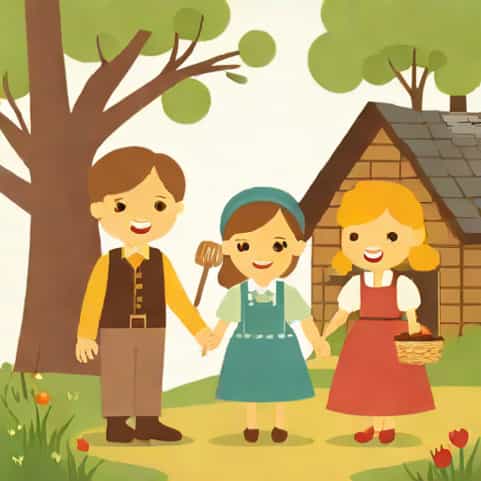
Hansel and Gretel is one of the most beloved fairy tales in Western literature, known for its enchanting story and vivid imagery. A picture of Hansel and Gretel captures the magic and suspense of their journey, from wandering in the dark forest to discovering the witch’s candy-covered house. These images help bring the story to life, allowing readers, both young and old, to visualize the characters, the setting, and the unfolding adventure. Illustrations of Hansel and Gretel have played a significant role in storytelling, as they not only enhance imagination but also convey the tone and emotion of the tale in a way that words alone cannot.
The Importance of Pictures in Hansel and Gretel
Pictures in fairy tales serve as a bridge between imagination and understanding. For Hansel and Gretel, illustrations highlight key moments such as leaving breadcrumbs, encountering the witch, and ultimately escaping danger. Seeing these events visually allows children to engage more deeply with the story. Moreover, a picture of Hansel and Gretel can capture expressions, body language, and environmental details that provide context, making the story more memorable and impactful. The forest, often depicted as dense and shadowy, adds a sense of suspense, while the candy house emphasizes temptation and curiosity.
Common Depictions of Hansel and Gretel
Over the years, artists have created countless illustrations of Hansel and Gretel, each with its own style and interpretation. Common elements found in pictures of Hansel and Gretel include
- Hansel leaving a trail of breadcrumbs behind him as a means to find their way home.
- Gretel walking alongside Hansel, often depicted as cautious or worried, highlighting her protective nature.
- The dark, dense forest surrounding the children, adding mystery and tension to the scene.
- The witch’s house, typically covered with sweets, chocolates, and candy, symbolizing both temptation and danger.
- The witch herself, usually portrayed as menacing, cunning, and ready to capture the children.
The Role of Illustrations in Learning
For young readers, pictures of Hansel and Gretel do more than entertain; they also support literacy and comprehension. Children can infer emotions, understand sequences of events, and recognize moral lessons through images. Seeing the children’s fear or bravery in a picture helps to reinforce the story’s themes. Furthermore, pictures make the story accessible to early readers who might struggle with complex text, allowing them to grasp the plot through visual storytelling. A well-crafted illustration also encourages creativity, as children imagine what might happen next or how they would react in a similar situation.
Symbolism in Pictures of Hansel and Gretel
Illustrations of Hansel and Gretel often contain symbolic elements that enrich the story’s meaning. For example
- The forest represents the unknown and the challenges that life presents, emphasizing themes of courage and resilience.
- The breadcrumbs symbolize hope and resourcefulness, showing the children’s cleverness in navigating danger.
- The candy-covered house signifies temptation and the allure of things that appear attractive but can be harmful.
- The witch embodies danger and deceit, warning readers about the risks of trusting appearances too easily.
Different Artistic Styles
Artists have approached Hansel and Gretel in various styles, from classic hand-drawn illustrations to modern digital art. Traditional illustrations often use soft colors, intricate lines, and detailed backgrounds to evoke a timeless fairy tale feel. Modern renditions might employ vibrant colors, exaggerated expressions, and stylized characters to appeal to contemporary audiences. Regardless of style, the goal remains the same to visually communicate the story’s drama, suspense, and charm. A picture of Hansel and Gretel can therefore vary greatly but always aims to capture the essence of the narrative.
Using Pictures to Enhance Storytelling
Pictures of Hansel and Gretel are also widely used in educational and entertainment contexts. They appear in children’s books, animated films, stage productions, and online media. Visual storytelling through pictures allows educators and parents to discuss plot points, characters, and moral lessons more effectively. For example, an image of the children trapped by the witch can spark conversations about problem-solving and courage, while the candy house can serve as a discussion point about temptation and decision-making. Illustrations make the story interactive, inviting viewers to explore details, predict outcomes, and engage their imagination.
Modern Interpretations
In contemporary media, pictures of Hansel and Gretel have evolved to include dark fantasy, whimsical, or humorous interpretations. Some modern artists focus on emphasizing the eerie and suspenseful aspects, making the forest and witch more ominous. Others highlight the playful, adventurous qualities, portraying the children as resourceful heroes on a daring quest. Regardless of interpretation, pictures remain central to how audiences experience and remember the story. They help maintain the cultural relevance of Hansel and Gretel, ensuring that the tale continues to captivate new generations of readers and viewers.
A picture of Hansel and Gretel does more than illustrate a story; it enriches the narrative by bringing characters, settings, and emotions to life. Through visual storytelling, readers gain a deeper understanding of the plot, themes, and symbolism within the fairy tale. From traditional to modern artistic styles, images of Hansel and Gretel continue to engage audiences, enhance literacy, and foster imagination. By observing these illustrations, both children and adults can appreciate the charm, suspense, and moral lessons embedded in this timeless tale, making Hansel and Gretel a story that resonates across generations.