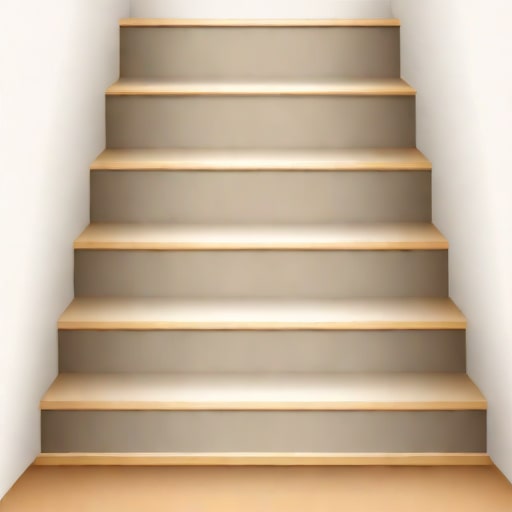
Renovating a staircase can be a daunting task, especially when trying to balance aesthetics, safety, and ease of installation. Traditional stair treads often require professional installation, tools, and sometimes even construction work, which can be time-consuming and costly. Peel and stick stair treads have emerged as a convenient and stylish solution for homeowners looking to update their stairs quickly without extensive labor. These treads combine practicality with design versatility, offering a simple way to protect stairs from wear and tear while enhancing the overall look of a home. Understanding the benefits, installation process, and maintenance of peel and stick stair treads can help homeowners make informed choices and achieve both functional and decorative improvements.
What Are Peel and Stick Stair Treads?
Peel and stick stair treads are adhesive-backed coverings designed to be applied directly onto existing stairs. They come in a variety of materials, including vinyl, rubber, and laminate, allowing homeowners to select options that match their interior style. The treads are pre-cut to standard stair dimensions, though they can often be trimmed to fit custom sizes. The adhesive backing eliminates the need for nails, screws, or glue, making them an ideal solution for DIY projects. In addition to enhancing the appearance of stairs, these treads provide traction, which helps reduce the risk of slips and falls, particularly in households with children or elderly individuals.
Materials and Design Options
Peel and stick stair treads are available in a wide range of materials and finishes. Some of the most popular include
- VinylDurable, water-resistant, and available in numerous patterns and colors, vinyl treads are easy to clean and maintain.
- RubberProvides excellent grip and cushioning, ideal for high-traffic areas or homes with pets.
- LaminateMimics the look of wood or stone, offering a premium appearance without the high cost or installation hassle.
- Textured or patterned surfacesEnhance traction and add visual interest to staircases, often with geometric or wood-grain designs.
These design options allow homeowners to coordinate stair treads with flooring, wall colors, or overall interior décor, creating a cohesive look throughout the home.
Benefits of Peel and Stick Stair Treads
The popularity of peel and stick stair treads stems from their numerous practical and aesthetic advantages. Some key benefits include
- Ease of InstallationThe adhesive backing allows for quick application, often taking less than an hour for an entire staircase. No special tools or professional installation are required.
- Cost-EffectivenessCompared to traditional wood or carpeted stair installations, peel and stick treads are generally more affordable, making them accessible for budget-conscious homeowners.
- SafetyMany treads feature non-slip surfaces that reduce the risk of accidents, particularly on polished or wooden stairs.
- ProtectionThey shield the underlying stairs from scratches, dents, and everyday wear, extending the lifespan of existing stairs.
- Variety and CustomizationHomeowners can choose from multiple colors, patterns, and materials to match their personal style, allowing for creative interior design updates without major renovations.
- RemovabilityHigh-quality peel and stick treads can often be removed without damaging the stairs, offering a temporary or semi-permanent solution for rental properties or seasonal décor changes.
Installation Process
Installing peel and stick stair treads is straightforward, but proper preparation is essential to ensure a secure and long-lasting result. The typical steps include
- Cleaning the SurfaceThoroughly clean the stairs to remove dust, dirt, grease, or old adhesive residues. A smooth and dry surface improves adhesion.
- Measuring and CuttingMeasure the width and depth of each stair. Most treads can be trimmed with a utility knife to fit perfectly.
- Peeling the BackingCarefully peel off the adhesive backing to expose the sticky surface.
- PositioningAlign the tread with the front edge of the step, then gradually press down while smoothing out air bubbles to ensure complete contact.
- Applying PressureApply even pressure across the tread to reinforce adhesion, using a hand roller or flat object if necessary.
- Final TouchesCheck edges for lifting and ensure the tread is secure before walking on it. Repeat for each step in the staircase.
Following these steps helps maximize the lifespan of the treads and maintains a polished, professional look.
Maintenance and Longevity
Peel and stick stair treads are generally low maintenance, but regular cleaning and care can prolong their life. Most vinyl or laminate treads can be cleaned with a damp cloth or mild detergent, while rubber treads may require occasional scrubbing to remove dirt and debris. Avoid harsh chemicals or abrasive cleaning tools that could damage the surface. Additionally, keeping the stairs free from excessive moisture and heavy furniture movement can prevent peeling or wear over time.
Considerations for Choosing Treads
When selecting peel and stick stair treads, several factors should be considered
- MaterialConsider the household’s needs, such as slip resistance for families with children or pets.
- Adhesive QualityOpt for treads with strong, long-lasting adhesive to prevent lifting and improve safety.
- Design and ColorMatch the treads with existing flooring or décor for a cohesive look.
- DurabilityChoose treads that can withstand high-traffic areas if the staircase is frequently used.
- Installation EnvironmentEnsure the stairs are suitable for adhesive application; some old or uneven stairs may require surface preparation.
Common Applications
Peel and stick stair treads are versatile and can be used in various residential and commercial settings. Popular applications include
- Home staircasesProtect wood or laminate stairs from scratches and enhance style in living rooms, hallways, or basements.
- Rental propertiesProvide a temporary yet attractive solution that can be removed at the end of a lease without damaging the stairs.
- Commercial spacesOffices, shops, or small businesses can use peel and stick treads to improve safety and aesthetic appeal with minimal installation effort.
- DIY renovation projectsIdeal for homeowners looking to refresh interiors without major construction or high costs.
Peel and stick stair treads offer an accessible, stylish, and functional solution for enhancing stair safety and appearance. With a wide variety of materials, designs, and sizes, they provide homeowners with creative flexibility while remaining cost-effective and easy to install. Their non-slip surfaces improve safety, while adhesive backing simplifies the application process, making them a popular choice for both DIY enthusiasts and professionals seeking quick renovations. By understanding the materials, installation process, maintenance, and benefits, homeowners can make informed decisions that transform their staircases into safer, more visually appealing areas of the home.
Overall, peel and stick stair treads represent a smart investment in home improvement, combining practicality, style, and safety. Whether updating a high-traffic staircase or adding decorative touches to a rental property, these treads offer an effective solution that is simple to install and maintain, helping homeowners achieve a polished look without the complexities of traditional renovations.