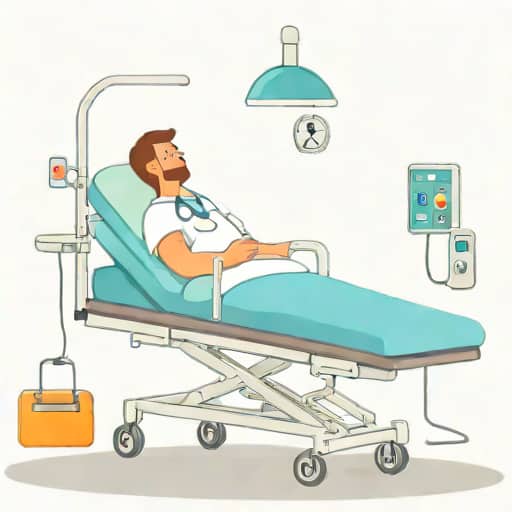
The care and management of unconscious patients require specialized facilities that provide continuous monitoring, medical support, and a safe environment for recovery. An ostensible place for unconscious patients, often referred to in medical literature as an intensive care unit (ICU) or specialized neurological care unit, serves as a critical hub for the treatment of individuals who cannot maintain their own airway, respond to stimuli, or perform basic life functions independently. These facilities are equipped with advanced medical technology, trained healthcare professionals, and protocols designed to stabilize patients, prevent complications, and provide both acute and long-term care when necessary. Understanding the functions, structure, and importance of such places helps highlight their role in modern healthcare.
Definition and Purpose
An ostensible place for unconscious patients is a medical environment designed to provide comprehensive care for individuals in states such as coma, severe sedation, traumatic brain injury, or post-surgical recovery. These units aim to maintain vital physiological functions, prevent secondary medical complications, and facilitate recovery whenever possible. They serve as critical points for continuous monitoring of neurological, cardiovascular, and respiratory systems, ensuring that patients receive timely interventions in case of deterioration. The primary purpose is to provide a controlled and safe environment that mimics natural support mechanisms while medical treatment progresses.
Key Features of Such Facilities
These specialized units include a combination of infrastructure, technology, and human resources tailored to the needs of unconscious patients. Some of the core features include
- Advanced Monitoring EquipmentDevices such as ECG machines, pulse oximeters, intracranial pressure monitors, and ventilators are standard to track vital signs continuously.
- Trained Medical StaffNurses, physicians, and specialized technicians are trained to respond immediately to changes in patient status, administer medications, and perform life-saving interventions.
- Controlled EnvironmentTemperature, lighting, and noise are regulated to minimize stress and prevent further physiological deterioration.
- Emergency Response ProtocolsRapid response systems, resuscitation equipment, and access to surgical or pharmacological interventions are readily available.
Types of Patients Treated
Unconscious patients can result from a wide range of medical conditions, including trauma, neurological disorders, intoxication, or post-operative recovery. Understanding the patient population helps in designing tailored care plans. Common categories include
- Comatose PatientsIndividuals in prolonged coma due to brain injury, stroke, or hypoxic events require constant neurological monitoring.
- Post-Surgical PatientsPatients emerging from complex surgeries may be sedated or temporarily unconscious to ensure stability and minimize pain.
- Trauma VictimsIndividuals who have sustained multiple injuries often require unconscious management to prevent secondary damage and allow healing.
- Neurological Disorder CasesPatients with severe seizures, encephalitis, or other conditions affecting consciousness need specialized observation and intervention.
Medical Management and Protocols
The care of unconscious patients follows strict protocols designed to preserve life and optimize outcomes. These protocols include
Airway and Breathing Management
Unconscious patients are at risk of airway obstruction, respiratory failure, and aspiration. Endotracheal intubation, mechanical ventilation, and continuous oxygen monitoring are standard practices. Healthcare providers ensure that the airway remains patent and that oxygenation and carbon dioxide elimination are maintained within safe limits.
Circulatory Support
Monitoring blood pressure, heart rate, and perfusion is crucial. Unconscious patients may require intravenous fluids, vasoactive medications, or blood transfusions to stabilize circulatory function. Continuous cardiac monitoring helps detect arrhythmias or other cardiovascular emergencies.
Neurological Monitoring
Regular neurological assessments are essential for tracking the level of consciousness, pupillary response, and brain function. Advanced imaging, intracranial pressure monitoring, and electroencephalography (EEG) are often used to guide treatment decisions and detect complications such as brain swelling or seizure activity.
Nutrition and Hydration
Patients who cannot eat or drink require alternative nutrition methods such as nasogastric or percutaneous feeding tubes. Electrolytes, hydration status, and metabolic needs are continuously evaluated to prevent malnutrition and maintain physiological balance.
Safety and Complication Prevention
Unconscious patients are vulnerable to a variety of complications due to immobility, altered consciousness, and medical interventions. Ostensible care units implement several preventive measures
- Pressure Ulcer PreventionRegular repositioning and specialized mattresses reduce the risk of bedsores.
- Infection ControlStrict hygiene protocols, hand hygiene, and sterile procedures minimize the risk of infections such as pneumonia and sepsis.
- Thrombosis PreventionSequential compression devices, anticoagulants, and careful monitoring help prevent deep vein thrombosis.
- Medication ManagementCareful dosing and monitoring of sedatives, analgesics, and other medications prevent overdose or adverse reactions.
Role of Multidisciplinary Teams
Care for unconscious patients is inherently multidisciplinary. Physicians, nurses, respiratory therapists, nutritionists, physical therapists, and social workers collaborate to ensure holistic care. The integration of these specialists helps address complex medical needs, monitor progress, and facilitate eventual recovery or transition to long-term care if necessary. Communication among team members is critical to ensure coordinated interventions and optimal patient outcomes.
Family Involvement
Family members often play a supportive role, providing emotional support, information on patient history, and advocacy for care preferences. Ostensible care units typically maintain communication channels with families, offering updates on patient status, explanations of treatment plans, and guidance on decision-making when necessary.
Technological Advancements
Recent technological developments have enhanced the care of unconscious patients. Innovations include advanced monitoring systems, automated ventilators, telemedicine consultations, and electronic health record integration. These technologies enable real-time data analysis, predictive alerts for deterioration, and more precise interventions. Such advancements not only improve survival rates but also enhance the quality of care, reducing long-term complications.
Ethical Considerations
Managing unconscious patients also involves significant ethical considerations. Decisions about life-sustaining treatment, withdrawal of care, and experimental interventions require careful deliberation. Informed consent, surrogate decision-making, and adherence to legal and ethical standards ensure that patient rights and dignity are maintained throughout treatment. Ethical committees within healthcare facilities often provide guidance in complex cases to balance medical possibilities with moral responsibilities.
An ostensible place for unconscious patients is a vital component of modern healthcare, combining advanced technology, specialized staff, and comprehensive protocols to manage complex medical conditions. These units provide life-sustaining support, prevent complications, and optimize outcomes for patients who cannot maintain consciousness or self-care. The integration of multidisciplinary teams, family involvement, and technological innovations ensures holistic care, addressing both physiological and psychological needs. Understanding the structure, functions, and importance of these facilities underscores their role in saving lives, promoting recovery, and supporting families during critical times, highlighting the essential nature of specialized care environments in contemporary medicine.