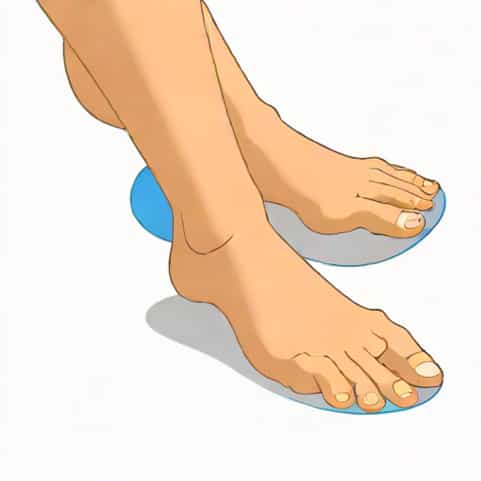
Forefoot varus is a common foot deformity that affects the alignment of the front part of the foot, causing the lateral side of the forefoot to lift off the ground when the heel is flat. This condition can lead to biomechanical imbalances, discomfort, and various musculoskeletal issues if left untreated. Orthotics for forefoot varus are specially designed devices that aim to correct these imbalances, redistribute pressure, and provide support to the foot during walking, running, and other daily activities. Understanding the role of orthotics, their types, and how they address forefoot varus can help patients, athletes, and healthcare providers make informed decisions about treatment and improve overall foot health.
Understanding Forefoot Varus
Forefoot varus occurs when the forefoot is inverted relative to the rearfoot while standing in a neutral position. Essentially, the inner side of the forefoot is higher than the outer side, leading to uneven weight distribution during gait. This deformity is often present from birth but may become more noticeable with growth or activity. Common symptoms include foot pain, ankle instability, calluses on the lateral foot, and excessive pronation of the rearfoot as the body compensates for the misalignment. Without proper intervention, forefoot varus can contribute to conditions such as plantar fasciitis, bunions, and knee or hip pain.
Causes of Forefoot Varus
Several factors can contribute to the development of forefoot varus, including
- Congenital structural abnormalities
- Muscle imbalances in the foot and lower leg
- Injury or trauma to the foot
- Excessive pronation or supination patterns
- Improper footwear that fails to support natural foot alignment
Recognizing the underlying causes is essential for effective treatment, and orthotics play a key role in addressing these biomechanical issues.
The Role of Orthotics in Forefoot Varus
Orthotics are customized or prefabricated shoe inserts designed to improve foot alignment, reduce stress on the musculoskeletal system, and alleviate pain. For forefoot varus, orthotics work by supporting the medial side of the forefoot, correcting excessive pronation, and providing a stable platform for the foot during movement. By doing so, orthotics help prevent compensatory mechanisms that can lead to further injuries or chronic discomfort. Healthcare providers, including podiatrists and orthopedic specialists, often recommend orthotics as a first-line treatment for forefoot varus.
Types of Orthotics
Orthotics for forefoot varus can be divided into two main categories
- Custom-Made OrthoticsDesigned based on a patient’s specific foot structure using casts, scans, or molds. These orthotics provide precise correction and support for severe or complex cases of forefoot varus.
- Prefabricated OrthoticsOver-the-counter devices that offer general support and can be adjusted to some extent. They are suitable for mild to moderate cases and for individuals seeking a cost-effective solution.
Both types aim to redistribute pressure, reduce abnormal pronation, and enhance overall foot mechanics, but custom orthotics tend to offer superior results for long-term correction.
Design Considerations for Forefoot Varus Orthotics
Orthotics intended for forefoot varus correction typically incorporate specific design features to optimize foot function. These may include
- Medial WedgesPlaced under the forefoot to lift the inner edge and reduce inversion.
- Arch SupportHelps stabilize the midfoot and prevent excessive pronation of the rearfoot.
- Heel CupsProvide cushioning and maintain heel alignment during weight-bearing activities.
- Metatarsal PadsRedistribute pressure across the forefoot to alleviate discomfort and prevent callus formation.
The materials used, such as EVA foam, polypropylene, or carbon fiber, are selected based on the level of support and flexibility needed for the patient’s specific condition.
Benefits of Orthotics for Forefoot Varus
Properly designed orthotics offer multiple benefits for individuals with forefoot varus
- Correct abnormal gait patterns and reduce compensatory movements.
- Relieve foot, ankle, knee, and lower back pain caused by misalignment.
- Prevent the development of secondary conditions such as plantar fasciitis or bunions.
- Improve balance, stability, and overall foot function during daily activities or sports.
- Enhance comfort and endurance for walking, running, or standing for extended periods.
These advantages make orthotics a critical component of a comprehensive treatment plan for forefoot varus.
Choosing the Right Orthotics
Selecting the most appropriate orthotics requires evaluation by a qualified healthcare professional. Factors to consider include
- Severity of forefoot varus and associated symptoms
- Level of physical activity and type of footwear used
- Age, weight, and overall health of the patient
- Patient’s comfort and adaptation to orthotic devices
- Long-term goals, such as pain reduction, alignment correction, or injury prevention
Custom orthotics are typically recommended for patients with moderate to severe deformities, whereas prefabricated options may suffice for mild cases. Follow-up appointments are essential to ensure the orthotics continue to provide proper support as the patient’s condition changes over time.
Complementary Treatments
In addition to orthotics, other interventions may enhance outcomes for forefoot varus, including
- Stretching and strengthening exercises for the foot and lower leg muscles
- Physical therapy to improve gait mechanics and balance
- Supportive footwear with adequate cushioning and stability
- Anti-inflammatory medications or ice therapy to manage pain and swelling
Combining orthotics with these complementary treatments can help patients achieve optimal foot function and reduce the risk of future complications.
Orthotics for forefoot varus play a vital role in managing this common foot deformity by improving alignment, redistributing pressure, and alleviating pain. Custom-made and prefabricated options provide solutions for different severity levels, while specialized design features like medial wedges, arch support, and metatarsal pads enhance effectiveness. By correcting abnormal gait patterns and stabilizing the foot, orthotics help prevent secondary musculoskeletal issues and improve overall quality of life. Choosing the right orthotics requires professional evaluation, and combining them with physical therapy, exercises, and supportive footwear can optimize outcomes. For individuals suffering from forefoot varus, orthotics offer a non-invasive, effective, and long-term solution to enhance mobility, comfort, and foot health.