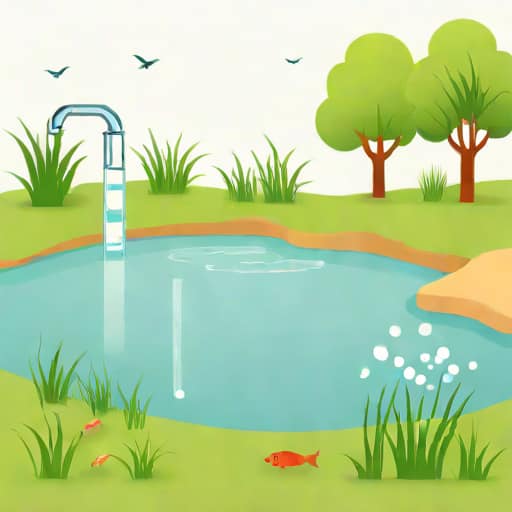
Maintaining the optimum level of dissolved oxygen in a fishpond is one of the most critical factors for successful aquaculture. Dissolved oxygen (DO) is the amount of oxygen available in water for aquatic life, and it directly affects the health, growth, and survival of fish. Fish rely on oxygen dissolved in water to perform essential metabolic processes, and insufficient oxygen levels can lead to stress, disease, or even mass mortality. Understanding the factors that influence dissolved oxygen, the optimum ranges for different species, and methods to manage DO levels is essential for anyone involved in fish farming or pond management.
Understanding Dissolved Oxygen
Dissolved oxygen refers to molecular oxygen (O2) that is mixed into water and available for respiration by aquatic organisms. It is measured in milligrams per liter (mg/L) or parts per million (ppm). Unlike oxygen in the air, oxygen in water is affected by temperature, salinity, water movement, and biological activity. Higher temperatures reduce the solubility of oxygen, meaning warm water holds less oxygen than cold water. Salinity also decreases oxygen solubility, which is important in brackish or saltwater fishponds.
Factors Affecting Dissolved Oxygen
Several factors influence the DO levels in a fishpond
- TemperatureOxygen dissolves more readily in cold water. Warm water can hold less oxygen, making it crucial to monitor DO during summer months or in tropical regions.
- PhotosynthesisAlgae and aquatic plants release oxygen during the day, increasing DO. At night, these same organisms consume oxygen, which can lead to lower levels.
- RespirationFish, bacteria, and other organisms consume oxygen continuously. High stocking densities can significantly reduce DO.
- Water MovementAeration through water circulation, waterfalls, or diffusers helps maintain oxygen levels by mixing surface oxygen into deeper layers.
- Organic Matter DecompositionExcess feed, fish waste, or plant debris increases microbial activity, which consumes oxygen and can reduce DO.
Optimum Dissolved Oxygen Levels for Fish
The optimum dissolved oxygen level depends on the species, life stage, and environmental conditions. Generally, most freshwater fish thrive when DO levels are maintained between 5 and 9 mg/L. Levels below 3 mg/L are stressful, and prolonged exposure to oxygen below 2 mg/L can be fatal. For common fish species in ponds
- TilapiaPrefer DO levels of 5-7 mg/L for optimal growth and reproduction.
- CatfishCan tolerate slightly lower oxygen, but 4-6 mg/L is ideal.
- CarpThrive at 5-8 mg/L, though they can survive temporary drops in oxygen.
Maintaining these optimum levels ensures better feed conversion, faster growth rates, and reduced susceptibility to disease. Sudden drops in dissolved oxygen can lead to panic, causing fish to gasp at the surface, and may result in mass mortality events.
Signs of Low Dissolved Oxygen
Fish farmers must be able to recognize low DO conditions quickly. Signs include
- Fish gathering near the water surface or around aeration devices.
- Rapid gill movement or labored breathing.
- Reduced feeding activity and lethargy.
- In extreme cases, floating or dead fish.
Regular monitoring using DO meters or chemical test kits helps prevent these critical situations.
Methods to Maintain Optimum DO Levels
Maintaining optimum DO levels requires both preventive and active management strategies. Techniques include
Aeration
Aeration is the most common method to increase dissolved oxygen. It can be achieved using
- Mechanical AeratorsPaddle wheels, surface agitators, or fountains mix water and air, improving oxygen absorption.
- Diffused Air SystemsAir pumps and diffusers release bubbles into the water, increasing oxygen transfer efficiently.
- Waterfalls or SpraysCirculating water over surfaces exposed to air helps oxygenate ponds naturally.
Water Management
Proper water management is essential. Adding fresh, oxygen-rich water and removing stagnant or polluted water prevents DO depletion. Deep ponds may require circulation systems to ensure oxygen reaches lower layers. Avoid overstocking, as high fish density increases oxygen demand.
Control of Organic Matter
Excess feed, fish waste, and decaying plant material consume oxygen during decomposition. Proper feeding practices, regular pond cleaning, and the use of biofilters help reduce the oxygen demand from organic matter. Managing algae growth is also important, as nighttime respiration by algae can significantly lower DO.
Temperature and Seasonal Considerations
Temperature significantly affects oxygen solubility. In summer, warm water holds less oxygen, so DO levels may need closer monitoring. Aeration or water exchange may be necessary during hot days or periods of high metabolic activity in fish. In colder months, oxygen solubility increases, but ice formation in temperate regions can limit gas exchange, requiring additional oxygenation methods.
Monitoring and Management Tools
Modern fishpond management relies on continuous monitoring of DO using electronic meters. Handheld or stationary devices provide real-time data, allowing farmers to adjust aeration, water flow, or stocking densities as needed. In smaller ponds, simple chemical test kits can provide approximate measurements to maintain optimum oxygen levels.
Consequences of Low Dissolved Oxygen
Low DO levels can lead to severe consequences, including
- Fish StressReduced immunity, slower growth, and poor feed conversion.
- Disease OutbreaksWeakened fish are more susceptible to bacterial, viral, and parasitic infections.
- Mass MortalityExtremely low oxygen can result in sudden die-offs, causing economic losses for fish farmers.
By maintaining optimum dissolved oxygen, fish farmers ensure healthy, productive ponds and minimize economic risks.
The optimum level of dissolved oxygen in a fishpond is a critical factor for the health, growth, and survival of fish. Maintaining DO levels between 5 and 9 mg/L ensures that fish have sufficient oxygen for metabolic processes, reduces stress, and supports efficient feeding and growth. Effective management involves regular monitoring, proper aeration, water circulation, and control of organic matter. Temperature and seasonal variations also play a role in oxygen availability, making adaptive management necessary. By understanding the importance of dissolved oxygen and implementing best practices, fish farmers can maximize production, maintain healthy ponds, and sustain a thriving aquaculture operation.