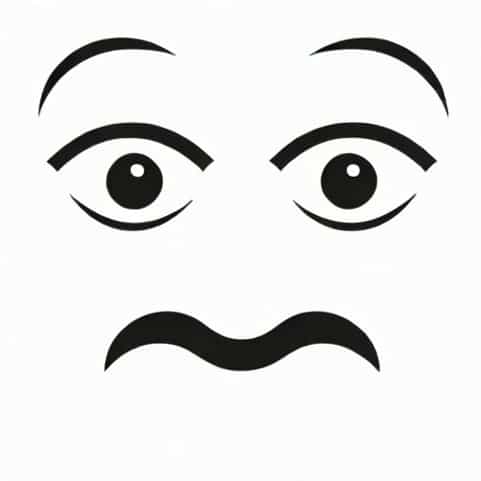
In English, facial expressions are a powerful way to convey emotions without words, and the act of frowning is one of the most recognizable expressions of displeasure, sadness, or concern. Understanding the opposite of a frown allows individuals to communicate joy, approval, or friendliness more effectively. While a frown often signals negative emotions, its opposite conveys positivity, openness, and warmth. Exploring the nuances of this opposite expression, its synonyms, and contextual usage helps in developing better communication skills, emotional intelligence, and writing that captures human experience vividly.
Understanding the Meaning of Frown
To frown is to furrow one’s brow, typically bringing the eyebrows together and creating lines on the forehead, as a natural reaction to displeasure, confusion, or concentration. Frowning is often a subconscious expression, providing others with insight into one’s feelings or reactions. In social interactions, a frown can indicate disapproval, worry, or disagreement, making it a significant nonverbal cue.
Synonyms of Frown
- Scowl
- Glower
- Gloom
- Look displeased
- Furrowed brow
These synonyms highlight the nuances of negative or displeased facial expressions, all related to the act of frowning. Understanding these terms sets the stage for identifying their opposites, which communicate positive emotions.
The Opposite of Frown
The opposite of frown is an expression that communicates happiness, approval, friendliness, or contentment. Smiling, grinning, or beaming are all examples of facial expressions that contrast sharply with frowning. While a frown indicates negativity or concern, its opposite suggests warmth, satisfaction, and positive engagement with the world or people around us.
Common Opposites
- SmileA gentle upward curve of the lips, expressing happiness or friendliness.
- GrinA broad or enthusiastic smile, often showing teeth, signaling joy or amusement.
- BeamA radiant smile that conveys strong happiness or pride.
- Look pleasedAn expression of satisfaction, approval, or contentment.
- Cheerful expressionA facial demeanor reflecting positive mood and warmth.
Each of these expressions serves as a direct contrast to frowning, communicating positive emotion both subtly and vividly.
Contextual Usage of Opposites
The choice of opposite expression depends on context, audience, and intensity of emotion. In casual conversation, a smile or grin can suffice, while in formal settings, look pleased or a cheerful expression may be more appropriate. Understanding these nuances allows for accurate emotional communication in writing, speaking, and social interactions.
Examples in Sentences
- Instead of frowning at the criticism, shesmiledand thanked her colleague for the feedback.
- Hegrinnedbroadly when he heard the good news, the opposite of his usual frown.
- The teacherbeamedwith pride at her student’s achievement, contrasting the frowned expression she had earlier in the morning.
- She lookedpleasedwith the arrangement, a clear contrast to the frowning she showed yesterday.
- The child’scheerful expressionlit up the room, replacing the frown that had lingered after the accident.
These examples illustrate how opposites of frowning can be incorporated into writing and speech to communicate joy, approval, or friendliness.
Emotional and Social Dimensions
The facial expression opposite of frowning often conveys emotions that strengthen social bonds, signal openness, and encourage positive interactions. While frowning may trigger caution or empathy from observers, smiling and its variations can signal friendliness, reduce tension, and promote trust. Emotionally, these expressions reflect satisfaction, happiness, or confidence, contributing to overall social harmony.
Psychological Traits
- Positive mood or happiness
- Openness to social interaction
- Confidence and self-assurance
- Ability to inspire warmth and friendliness in others
These traits demonstrate why expressions such as smiling, beaming, or grinning are accurate opposites of frowning, encompassing both outward appearance and internal emotional state.
Practical Applications
Knowing the opposite of frown is useful in multiple areas, including interpersonal communication, professional settings, literature, and language learning. It allows for nuanced expression, clearer emotional depiction, and effective social signaling.
Writing and Literature
In literature, using the contrast between frowning and smiling enhances character development and emotional depth. Characters who shift from frowning to beaming can convey internal change, satisfaction, or reconciliation effectively, adding realism and empathy to narratives.
Professional Communication
In professional settings, maintaining a smile or pleasant expression can foster collaboration, reduce conflict, and convey approachability. Understanding the opposite of frown helps individuals manage their nonverbal cues to create positive impressions and effective workplace interactions.
Language Learning
For English learners, studying the opposites of frown enriches vocabulary, improves comprehension of emotional nuance, and enhances descriptive skills. Words like smile, grin, and beam provide learners with tools to articulate both subtle and strong positive emotional states accurately.
Examples in Everyday Life
Everyday life provides numerous situations where expressions opposite of frowning play an essential role. Receiving compliments, witnessing achievements, celebrating events, or engaging in friendly interactions often triggers smiles, grins, and beaming expressions. Recognizing and using these opposites effectively promotes positive communication, emotional intelligence, and social cohesion.
The opposite of frown in English encompasses a range of facial expressions that convey happiness, approval, friendliness, and contentment. Words such as smile, grin, beam, look pleased, and cheerful expression capture the emotional, behavioral, and social dimensions of positivity, contrasting sharply with frowning, which signals displeasure, concern, or sadness. Understanding these opposites enhances communication in writing, speaking, and interpersonal interactions, providing tools to convey joy, satisfaction, and warmth. By mastering the nuances of frown and its antonyms, individuals can articulate emotions effectively, enrich storytelling, improve social interactions, and cultivate a deeper awareness of human emotional expression. Ultimately, recognizing and utilizing the opposite of frown strengthens the ability to communicate both internal states and social intentions with clarity and impact.