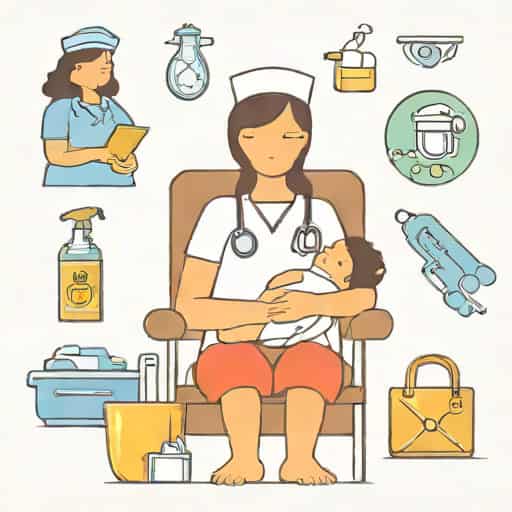
Nursing is often described as a thankless job, despite being one of the most essential and demanding professions in the world. Nurses play a critical role in healthcare, providing care, support, and comfort to patients in their most vulnerable moments. They work long hours, face high stress, and often deal with life-and-death situations, yet their efforts are frequently overlooked or undervalued. While the public relies heavily on nurses for medical expertise and compassionate care, recognition for their dedication and hard work is often minimal. Understanding why nursing is considered a thankless job, as well as recognizing the challenges and rewards associated with it, is essential for appreciating the crucial role nurses play in society.
Challenges Faced by Nurses
Nurses face numerous challenges that contribute to the perception of nursing as a thankless job. These challenges range from demanding work hours to emotional strain, all of which can take a toll on their physical and mental well-being.
Long Working Hours
Nurses frequently work long shifts, often exceeding 12 hours, with limited breaks. Night shifts, weekends, and holidays are common, disrupting normal routines and personal life. Extended working hours can lead to fatigue, burnout, and decreased job satisfaction, making it difficult for nurses to feel appreciated for their relentless efforts.
Emotional and Physical Stress
Providing care to patients in critical conditions requires emotional resilience. Nurses witness suffering, pain, and sometimes death on a daily basis, which can result in emotional exhaustion. Physically, the job often involves lifting patients, standing for long periods, and performing repetitive tasks, all contributing to fatigue and health issues. Despite these demands, recognition is often limited, reinforcing the idea that nursing is a thankless profession.
Underappreciation in the Workplace
Many nurses report feeling underappreciated by colleagues, supervisors, and even patients. While doctors and healthcare executives may receive more acknowledgment and accolades, nurses often work behind the scenes, ensuring patient care runs smoothly. Their contributions are critical but frequently go unnoticed, leading to frustration and a sense of undervaluation.
Societal Perception and Recognition
The societal perception of nursing also plays a role in its reputation as a thankless job. While nurses are respected for their skills and dedication, this respect does not always translate into tangible recognition or compensation.
Low Pay and Limited Benefits
Despite the critical role they play, many nurses are not compensated proportionally for their efforts. Salaries in nursing can be lower compared to other healthcare professions with similar levels of education and responsibility. Limited benefits and lack of incentives further contribute to the perception that nursing is undervalued and thankless.
Lack of Public Recognition
While healthcare crises often highlight the importance of nurses, day-to-day recognition remains scarce. Nurses rarely receive public acknowledgment for the countless hours they dedicate to patient care. This lack of visibility can make the profession feel thankless, even when the work is vital to community health and well-being.
Emotional Rewards vs. Tangible Rewards
Although many nurses find emotional fulfillment in helping others, these rewards are often intangible. Saving a patient’s life or providing comfort can be deeply satisfying, yet these moments rarely come with financial reward or public recognition. This imbalance between emotional satisfaction and tangible acknowledgment reinforces the perception of nursing as a thankless job.
Why Nursing is Still Rewarding
Despite being labeled as thankless, nursing offers unique rewards that go beyond financial compensation or public recognition. Many nurses find fulfillment through personal growth, patient interactions, and the profound impact they have on individuals’ lives.
Personal Satisfaction
Nurses often experience a strong sense of personal satisfaction from helping patients recover, manage pain, or navigate medical challenges. The ability to make a meaningful difference in someone’s life provides intrinsic motivation that sustains many nurses through difficult and demanding days.
Opportunities for Professional Growth
The nursing profession offers numerous opportunities for advancement, specialization, and skill development. Nurses can pursue careers in areas such as pediatrics, oncology, critical care, or public health. These opportunities allow nurses to grow professionally while continuing to make a meaningful impact on patient care.
Building Meaningful Relationships
Another rewarding aspect of nursing is the relationships built with patients, families, and colleagues. Nurses often form strong bonds with those they care for, providing emotional support and guidance in times of need. These connections can offer a sense of fulfillment that is unmatched in other professions.
Ways to Acknowledge Nurses’ Efforts
Recognizing and valuing the contributions of nurses is crucial to addressing the perception that nursing is a thankless job. Simple actions can make a significant difference in boosting morale and ensuring that nurses feel appreciated.
Workplace Recognition
Healthcare institutions can implement recognition programs, awards, and incentives to highlight the achievements of nurses. Acknowledging exceptional performance, dedication, and innovation can enhance job satisfaction and encourage continued excellence.
Public Awareness and Appreciation
Public campaigns, media coverage, and community initiatives can raise awareness of the vital role nurses play. Celebrating National Nurses Week, sharing stories of nurses’ contributions, and promoting educational campaigns can help shift societal perceptions and emphasize their importance.
Supportive Work Environment
Creating a supportive workplace culture is essential. Providing adequate staffing, fair compensation, professional development opportunities, and mental health resources can improve nurses’ overall experience and counter the feeling of being undervalued.
Nursing is often called a thankless job, yet it remains one of the most essential and impactful professions in society. Nurses face long hours, physical and emotional challenges, and limited recognition, which can contribute to the perception of their work being undervalued. However, the intrinsic rewards, professional growth, and meaningful connections that come with nursing offer profound satisfaction. Recognizing the dedication and contributions of nurses through workplace support, public appreciation, and fair compensation is essential for maintaining morale and ensuring that this critical profession continues to thrive. By understanding the challenges and acknowledging the invaluable work nurses perform daily, society can move closer to ensuring that nursing is never truly a thankless job.