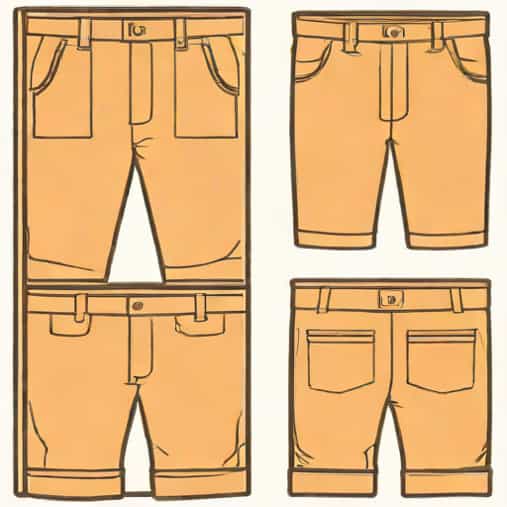
The phrase now empty the compartments of your pantaloons may sound unusual in modern conversation, but it carries historical, practical, and even metaphorical significance. Originating in times when pantaloons were a common form of trousers with multiple pockets, this phrase was often used in theatrical works, literature, or even everyday instructions to refer to the act of removing the contents of one’s pockets. Beyond the literal meaning, it can also symbolize transparency, honesty, or preparation, as emptying one’s pockets can indicate readiness to reveal all personal belongings or secrets. Understanding this phrase requires exploring its historical context, practical usage, and figurative interpretations, offering a fascinating glimpse into language, fashion, and culture.
Historical Context of Pantaloons
Pantaloons were a type of trousers that became popular in Europe during the 18th and 19th centuries. They often featured multiple compartments or pockets designed to hold coins, personal items, or small tools. Unlike modern pants, which generally have simple side and back pockets, pantaloons were tailored to accommodate a more complex array of personal effects. The instruction to empty the compartments would have been meaningful in situations requiring inspection, search, or readiness for travel or work.
Fashion and Functionality
Pantaloons were not just a fashion statement but also served a practical purpose. Men and women carried essential items such as keys, money, letters, or small instruments in the pockets. The multiple compartments reflected both the needs of daily life and the social customs of the time. Being asked to empty these pockets could occur during social interactions, law enforcement inspections, or theatrical performances, highlighting how clothing and language intertwined in practical ways.
Literal Meaning of the Phrase
Literally, now empty the compartments of your pantaloons instructs a person to remove all items from their pockets or compartments in their trousers. This could be for security checks, to inspect personal belongings, or simply to organize one’s items before a journey or task. In a historical or theatrical setting, such an action could be both functional and symbolic, emphasizing careful attention to one’s possessions or demonstrating readiness and transparency.
Practical Situations
- Security or law enforcement checks in historical contexts
- Preparation for travel, ensuring that valuable items are accounted for
- Theatrical performances where a character empties their pockets for dramatic effect
- Organizing personal belongings before a social event or public gathering
Figurative Interpretation
Beyond the literal meaning, the phrase can also carry metaphorical significance. To empty the compartments of your pantaloons can symbolize honesty, transparency, or letting go of unnecessary burdens. In literature, this phrase might be used to represent a character revealing their secrets, disclosing hidden truths, or preparing to start anew without past encumbrances. The imagery of removing items from pockets evokes a sense of openness and readiness to face challenges or scrutiny.
Metaphorical Examples
- In literature, a character might be asked to empty the compartments of their pantaloons to signify confession or revealing hidden motives.
- In motivational contexts, it can symbolize letting go of material or emotional baggage to achieve personal growth.
- In social or ethical discussions, it can represent full transparency in relationships or accountability.
The Phrase in Modern Context
While pantaloons are no longer commonly worn, the phrase can still be encountered in historical novels, period dramas, or discussions of historical fashion. Modern equivalents might include empty your pockets or show me what you have on you, used in casual, legal, or theatrical contexts. Understanding the historical nuance of pantaloons enriches our appreciation of language evolution and the cultural significance of clothing and accessories.
Modern Applications
- Historical reenactments and period dramas
- Educational discussions about 18th- and 19th-century clothing
- Theatrical scripts and performances
- Literary analysis of historical texts or novels
Health and Safety Implications
Interestingly, emptying pockets or compartments, as suggested by the phrase, can also have health and safety benefits. Modern advice often recommends emptying pockets before physical activity or exercise to avoid injury. Similarly, checking the contents of pants or bags can prevent accidental loss or damage to personal items. Although the language is antiquated, the underlying principle of awareness and preparation remains relevant today.
Practical Safety Tips
- Always check pockets for sharp objects before engaging in exercise or manual labor
- Empty pockets before washing clothes to prevent damage to garments or machines
- Ensure valuable items are accounted for when traveling or moving
- Use compartmental organization to reduce clutter and enhance efficiency
Psychological and Cultural Symbolism
The act of emptying one’s pockets has psychological and cultural symbolism beyond practical necessity. It can indicate a willingness to be transparent, a gesture of trust, or a metaphorical cleansing of old habits and attachments. In some cultures, offering to empty pockets or personal belongings can signify openness and honesty. Similarly, in storytelling, this action can illustrate character development, moral clarity, or readiness to embrace new experiences.
Symbolic Interpretations
- Trust Demonstrating openness to others by revealing what is held privately
- Honesty Metaphorically showing that one has nothing to hide
- Preparation Getting ready for a challenge or a journey
- Renewal Letting go of old attachments or burdens to start anew
The phrase now empty the compartments of your pantaloons carries a rich blend of historical, literal, and metaphorical meanings. Historically, it reflects the practical and cultural realities of wearing pantaloons with multiple pockets, emphasizing organization, readiness, and transparency. Literally, it instructs a person to remove all items from their pockets for inspection, preparation, or theatrical effect. Figuratively, it symbolizes honesty, openness, and the willingness to let go of burdens. Though the language is antiquated, the principles behind the phrase-preparedness, transparency, and reflection-remain relevant today. Understanding such phrases enriches our appreciation of historical language, fashion, and cultural symbolism, offering both practical guidance and thoughtful reflection for modern readers.