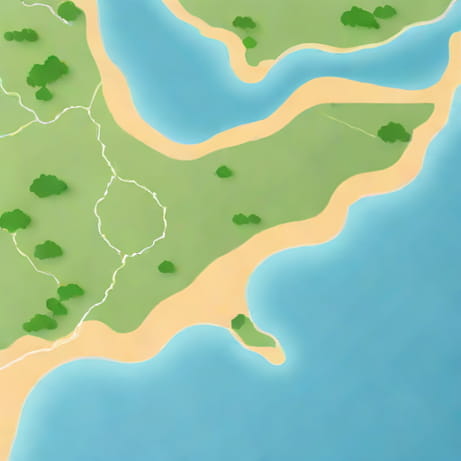
The northeast coast of Honshu, located along the Japan Trench, is a region of immense geological, ecological, and cultural significance. This coastal area, stretching from the Tohoku region down toward the Pacific Ocean, lies above one of the most active subduction zones in the world. The Japan Trench marks the boundary where the Pacific Plate is being forced beneath the North American Plate, creating a highly dynamic environment prone to earthquakes, tsunamis, and volcanic activity. The interaction of tectonic plates in this region has shaped the coastline over millions of years, forming deep oceanic trenches, coastal cliffs, and fertile plains. The northeast coast of Honshu is not only a site of geological interest but also a hub of human settlement, fishing, and maritime trade. Understanding the Japan Trench and its impact on the northeast coast provides insight into natural hazards, marine ecosystems, and the cultural resilience of local communities.
Geological Setting of the Japan Trench
The Japan Trench is an oceanic trench that extends approximately 1,000 kilometers off the eastern coast of Honshu. It is part of the Pacific Ring of Fire, a region characterized by intense seismic and volcanic activity. The trench is formed as the Pacific Plate subducts beneath the Okhotsk Plate, which is often considered part of the North American Plate in geological models. This subduction process generates enormous geological stress, leading to frequent earthquakes, some of which are capable of producing devastating tsunamis. The trench reaches depths of over 8,000 meters, making it one of the deepest regions of the Pacific Ocean. The northeast coast of Honshu is directly affected by these geological processes, with historical evidence of both land subsidence and uplift associated with seismic events.
Tectonic Activity and Earthquake Risk
The northeast coast of Honshu is particularly vulnerable to seismic hazards due to its proximity to the Japan Trench. Large megathrust earthquakes occur when accumulated stress along the subduction zone is suddenly released. These earthquakes can trigger powerful tsunamis that impact coastal towns and fishing villages. Notable events, such as the 2011 Tohoku earthquake and tsunami, demonstrated the destructive potential of this tectonic interaction. Scientists study the trench and the northeast coast to better understand seismic risk, develop early warning systems, and implement mitigation strategies to protect human populations and infrastructure.
Oceanographic and Ecological Features
The Japan Trench and the surrounding northeast coast of Honshu support unique oceanographic and ecological systems. The subduction zone influences ocean currents, nutrient upwelling, and marine biodiversity. Deep ocean trenches create habitats for specialized deep-sea organisms, including rare species of fish, crustaceans, and invertebrates. The mixing of nutrient-rich waters supports productive coastal fisheries that are vital to local economies. The complex interplay between deep trench waters and shallow coastal zones creates diverse ecosystems, ranging from kelp forests and tidal flats to pelagic habitats used by migratory species such as tuna and whales.
Fisheries and Marine Resources
The northeast coast of Honshu is historically dependent on fishing, with communities relying on the abundance of marine resources. The Japan Trench’s nutrient dynamics support rich populations of squid, mackerel, salmon, and other commercially valuable species. Coastal fisheries also benefit from seasonal currents and the mixing of cold and warm waters, which enhance plankton productivity. The region’s fishing industry has adapted over centuries to the dynamic environment, using traditional knowledge and modern technology to sustainably harvest resources while minimizing the impact of natural hazards.
Cultural and Historical Significance
The northeast coast of Honshu has a long history of human settlement, shaped by both the fertile coastal plains and the risks associated with living near the Japan Trench. Communities in the Tohoku region have developed cultural practices and architectural strategies to cope with earthquakes and tsunamis. Traditional wooden buildings, elevated homes, and warning systems are part of the local adaptation to seismic hazards. The region is also rich in historical sites, shrines, and fishing ports that reflect centuries of maritime culture. Annual festivals and rituals often honor the sea, highlighting the connection between human life and the dynamic coastal environment.
Impact of Natural Disasters on Society
Throughout history, the northeast coast of Honshu has experienced devastating earthquakes and tsunamis, forcing communities to rebuild repeatedly. The 1896 Sanriku tsunami and the 2011 Tohoku disaster illustrate the vulnerability of coastal settlements to subduction-related events. Recovery from these disasters requires coordinated efforts in urban planning, disaster preparedness, and public education. Modern infrastructure incorporates earthquake-resistant construction, tsunami evacuation routes, and early warning systems to mitigate the impact of future events. These experiences have shaped a culture of resilience and preparedness that is integral to the identity of the region.
Scientific Research and Monitoring
Due to its geological significance, the northeast coast of Honshu and the Japan Trench are focal points for scientific research. Marine geologists, seismologists, and oceanographers study the subduction zone to understand tectonic processes, earthquake generation, and trench dynamics. Deep-sea exploration missions use remotely operated vehicles and submersibles to map the trench, observe sediment deposition, and study unique deep-sea ecosystems. Seismic monitoring stations along the coast provide real-time data on tremors, helping scientists predict earthquake patterns and issue timely warnings. Research in this region contributes not only to disaster mitigation but also to global knowledge of plate tectonics and oceanography.
Technological Advances in Monitoring
- Seafloor seismometers and pressure sensors to detect subduction-related tremors.
- Satellite imaging and GPS measurements to monitor land displacement.
- Autonomous underwater vehicles to map trench topography and study biodiversity.
- Oceanographic sensors to measure currents, temperature, and nutrient levels.
- Integration of early warning systems for tsunamis along coastal communities.
These tools enable precise observation of natural phenomena and provide critical information for protecting human life and infrastructure.
Tourism and Educational Value
While the northeast coast of Honshu faces significant natural risks, it also attracts tourists, students, and researchers due to its scenic beauty and geological importance. Coastal cliffs, beaches, and deep-sea canyons provide opportunities for ecotourism, diving, and educational trips. Museums and research centers along the coast offer insights into plate tectonics, marine ecology, and disaster preparedness. Educational programs help raise awareness of the Japan Trench’s role in shaping the environment and the importance of resilience in coastal communities.
The northeast coast of Honshu, situated along the Japan Trench, is a region of extraordinary geological, ecological, and cultural significance. Its position above a major subduction zone makes it a hotspot for earthquakes, tsunamis, and other tectonic events, while also fostering rich marine ecosystems and productive fisheries. Human communities along this coast have developed cultural practices, architectural adaptations, and disaster preparedness measures to survive and thrive in this dynamic environment. Scientific research, including deep-sea exploration and seismic monitoring, enhances understanding of the trench and informs global knowledge of plate tectonics. The region’s natural beauty, combined with its educational and tourism potential, highlights the intricate balance between human life and a highly active geological landscape. By studying and respecting the northeast coast of Honshu and the Japan Trench, we gain valuable insights into the power of the Earth, the resilience of communities, and the interconnectedness of geological and ecological systems.