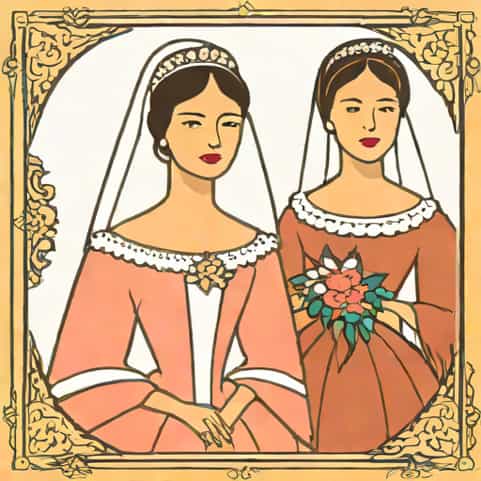
Throughout history, many noblewomen chose or were compelled to remain unmarried, carving out unique roles and exercising influence in ways that differed from their married counterparts. These women often navigated complex social, political, and economic landscapes, balancing family expectations with personal ambitions and social duties. Their lives offer a fascinating glimpse into the ways aristocratic women could assert independence, gain education, and even wield political or cultural power without the traditional institution of marriage. Understanding their experiences sheds light on the broader social structures of past centuries and the evolving roles of women in noble families.
The Role of Noblewomen in Society
Noblewomen occupied a distinct position in historical societies, often bound by strict codes of conduct and societal expectations. Marriage was typically considered a primary duty, serving to forge alliances, consolidate wealth, and produce heirs. However, not all noblewomen married, either by choice, circumstance, or strategy. These women often pursued alternative avenues for influence, including managing estates, engaging in charitable work, participating in court politics, or dedicating themselves to intellectual and artistic pursuits.
Reasons for Remaining Unmarried
There were multiple reasons why some noblewomen did not marry. In some cases, they were motivated by personal preference, valuing independence over traditional family obligations. In other situations, political circumstances or family strategies dictated their marital status. For instance, a family might choose to keep a daughter unmarried to retain her inheritance or to strategically place her in a position of power within a court or religious institution. Additionally, societal constraints, health concerns, or the lack of a suitable match could also influence the decision.
Influential Noblewomen Who Did Not Marry
History provides numerous examples of unmarried noblewomen who made remarkable contributions to society. These women often leveraged their social status and education to leave lasting legacies, demonstrating that marriage was not the sole path to influence or accomplishment.
Elizabeth I of England
Elizabeth I, the daughter of Henry VIII and Anne Boleyn, famously never married, earning her the moniker The Virgin Queen. Her decision to remain single was both personal and political, allowing her to maintain autonomy and strengthen her authority over England. Elizabeth skillfully navigated court politics, religious conflicts, and international diplomacy, establishing herself as one of England’s most powerful and enduring monarchs. Her unmarried status allowed her to project an image of independence and control, which became a key aspect of her reign.
Mary, Queen of Scots
Although Mary Stuart was married in her early life, she spent significant periods without a spouse due to widowhood and political exile. During these times, she relied on her noble birth and personal intellect to influence political affairs. Even while unmarried, Mary actively engaged in diplomatic negotiations and maintained a presence in European courts, demonstrating the ongoing significance of unmarried noblewomen in governance and diplomacy.
Christina of Sweden
Christina of Sweden abdicated the throne and famously rejected marriage in favor of intellectual and artistic pursuits. Her refusal to marry was motivated by a desire for personal freedom and dedication to scholarly interests. Christina cultivated a court of artists, philosophers, and scientists, and her patronage contributed significantly to European culture. Her life exemplifies how unmarried noblewomen could exercise cultural influence and shape intellectual discourse.
Unmarried Noblewomen and Religious Life
For many noblewomen, the church offered an alternative to marriage. Convents provided a structured environment in which women could engage in education, charity, and religious devotion while maintaining social status. Noblewomen who joined religious orders often wielded considerable influence, overseeing charitable works, managing convent estates, and participating in local and national religious affairs.
Notable Examples in Religious Roles
- Hildegard of BingenThough not a traditional noblewoman by title, Hildegard hailed from a noble family and devoted her life to religious scholarship. She became a revered abbess, writer, composer, and philosopher.
- Anne of AustriaBefore her marriage, some noblewomen like Anne engaged deeply in religious and educational endeavors, positioning themselves for influential roles even outside of matrimony.
Economic Independence and Estate Management
Unmarried noblewomen frequently managed family estates, particularly when they were heiresses or when male relatives were absent. This responsibility required financial acumen, negotiation skills, and legal knowledge. By overseeing land, resources, and tenant relations, these women could maintain or even enhance their family’s wealth and influence. Estate management also provided a socially acceptable means of exercising authority and participating in economic life without marriage.
Examples of Estate Management
- Margaret BeaufortThe mother of Henry VII of England remained widowed for extended periods, effectively managing her estates and influencing political affairs.
- Isabella d’EsteWhile married later, Isabella was renowned for her early leadership and stewardship of her family’s estates and cultural patronage, setting a precedent for unmarried noblewomen managing assets.
Intellectual and Cultural Contributions
Many unmarried noblewomen pursued education, literature, art, and science, using their social standing to support cultural development. Their independence often provided the freedom to study and contribute to intellectual life, sponsor artists, and engage in scholarly correspondence across Europe. Their contributions helped preserve and expand cultural and intellectual heritage during times when opportunities for women were limited.
Examples of Cultural Influence
- Catherine de’ MediciEven before her marriage, Catherine was deeply involved in cultural and political education, influencing French art and politics.
- Lady Jane GreyDespite her short reign, Lady Jane Grey’s upbringing and scholarly achievements highlight the potential of noblewomen to excel intellectually independent of marital status.
Challenges Faced by Unmarried Noblewomen
Remaining unmarried did not come without challenges. Social scrutiny, limited political alliances through marriage, and pressure to conform to family expectations were common obstacles. These women often had to navigate complex social hierarchies, maintain reputations, and assert influence in male-dominated spheres. Despite these challenges, many unmarried noblewomen leveraged their independence to pursue personal and societal goals, leaving enduring legacies.
Legacy and Modern Perspectives
Today, the stories of unmarried noblewomen are recognized as examples of autonomy, intelligence, and strategic acumen. Their lives challenge traditional narratives that equate women’s value solely with marriage and motherhood. By examining their contributions to politics, culture, religion, and economics, modern readers gain insight into the diverse ways women exercised power and shaped history. These noblewomen demonstrated that influence and legacy could be achieved independently of marital status, inspiring contemporary discussions about women’s roles and agency in society.
Noblewomen who did not marry played significant and varied roles in history, navigating social expectations while asserting independence and influence. Whether through political engagement, cultural patronage, estate management, or religious dedication, these women demonstrated that marital status did not define capability or impact. Their experiences highlight the complexity of aristocratic life, the importance of personal choice, and the potential for women to leave lasting legacies on their own terms. By studying the lives of unmarried noblewomen, we gain a richer understanding of history and the multifaceted contributions of women in shaping societies across centuries.