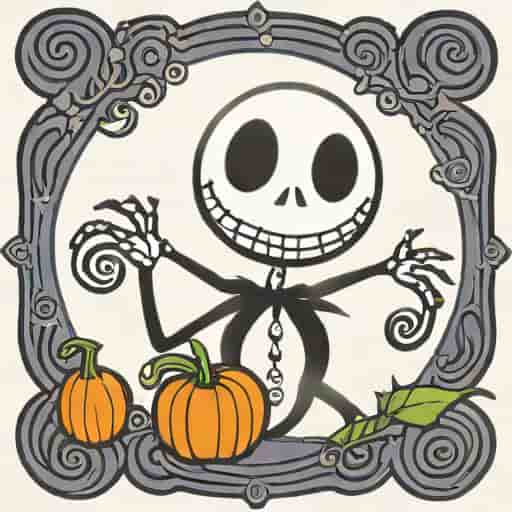
The Nightmare Before Christmas is more than just a visually captivating stop-motion film; it is a darkly whimsical story that blends the eerie with the enchanting. One of the most intriguing aspects of this film is its connection to elements of folklore and botanical symbolism, particularly the deadly nightshade, also known as belladonna. This poisonous plant carries a rich history in mythology and superstition, making its thematic inclusion in the universe of Halloween Town particularly fitting. In this topic, we will explore the intersection of the film’s haunting narrative and the mysterious qualities of deadly nightshade, shedding light on how this combination adds depth to the story and enhances its appeal to audiences fascinated by the macabre.
The Dark Charm of Deadly Nightshade
Deadly nightshade, or Atropa belladonna, is a plant notorious for its toxic properties and its historical use in witchcraft and potions. Its name evokes danger, yet it also has an allure that draws curiosity. In folklore, nightshade is often associated with magic, the supernatural, and the ability to influence human consciousness. The plant’s shiny black berries and delicate bell-shaped flowers create a deceptive beauty, masking the lethal potential within. This duality mirrors the themes of The Nightmare Before Christmas, where seemingly innocent Halloween traditions conceal darker undertones.
Symbolism in Halloween Town
In Tim Burton’s fantastical world of Halloween Town, every character and object carries a symbolic weight. Deadly nightshade represents the thin line between fascination and fear. The film’s protagonist, Jack Skellington, embodies curiosity and the pursuit of understanding the unknown. Just as deadly nightshade tempts with its beauty while hiding danger, Jack is tempted by the allure of Christmas and its unfamiliar joy, which ultimately brings both wonder and chaos. The plant’s symbolism reinforces the narrative tension between curiosity and caution, a recurring theme in the movie.
Deadly Nightshade in Folklore and History
The historical significance of deadly nightshade adds layers to its representation in popular culture. In medieval Europe, belladonna was believed to have magical properties, often used in love potions or to induce visions during mystical rituals. Witches were said to employ the plant in concoctions that could heal or harm, emphasizing its dual nature. In literature and film, deadly nightshade often signals danger, hidden knowledge, or a transformative experience. By connecting these historical connotations with the eerie aesthetics of Halloween Town, The Nightmare Before Christmas subtly references a deeper tradition of mysticism and cautionary tales.
The Aesthetic Appeal in the Film
Tim Burton’s visual style thrives on contrasts, combining the grotesque with the beautiful. The imagery of deadly nightshade fits seamlessly into this aesthetic. Its dark berries, green foliage, and delicate yet sinister flowers echo the gothic palette of the movie, enhancing the mood without overwhelming it. In scenes where Halloween Town characters gather or decorate, the presence of plants resembling nightshade underscores the environment’s creepy charm. The aesthetic choices emphasize both danger and fascination, which are central to the film’s unique appeal.
Character Connections and Themes
The themes associated with deadly nightshade resonate with several characters in the film. Jack Skellington’s fascination with Christmas parallels the plant’s allure beautiful, tempting, but potentially hazardous if misused. Sally, who often acts as a voice of caution, mirrors the awareness required when dealing with something as deceptively dangerous as belladonna. The interplay between these characters reflects the plant’s dual nature, offering lessons about curiosity, risk, and the consequences of actions. By embedding these symbolic references, the film enriches character development and narrative complexity.
Deadly Nightshade as a Narrative Device
Beyond symbolism, deadly nightshade functions as a subtle narrative device. Its historical and folkloric associations with danger, magic, and transformation enhance the storytelling without requiring explicit explanation. Just as belladonna can induce profound changes in perception, the arrival of Christmas in Halloween Town triggers a transformative journey for Jack and the other inhabitants. This narrative parallel adds a layer of depth, making the story engaging for both younger audiences and adults who appreciate underlying symbolic messages.
Influence on Popular Culture
The Nightmare Before Christmas has influenced countless aspects of pop culture, including fashion, art, and Halloween decorations. The presence of deadly nightshade in this context has inspired creative interpretations of gothic elegance and spooky beauty. Artists and fans often incorporate motifs reminiscent of belladonna into fan art, costumes, and themed decorations. Its distinctive look and historical mystique make it a versatile symbol for those celebrating the darker side of holidays and storytelling. By linking a well-known toxic plant with a beloved film, the influence extends beyond the screen into real-world imagination and creativity.
Educational and Botanical Interest
The film also serves as a point of interest for those studying botany or folklore. Deadly nightshade’s inclusion can prompt viewers to explore its real-world characteristics, toxicology, and cultural history. Teachers and educators sometimes use the film as a springboard for discussions about poisonous plants, safety, and the symbolic roles of flora in storytelling. This educational dimension adds another layer to the film’s enduring value, merging entertainment with learning opportunities.
Balancing Fear and Fascination
One of the remarkable achievements of The Nightmare Before Christmas is its ability to balance fear and fascination, much like deadly nightshade itself. The plant’s inherent danger is mitigated by its captivating appearance, creating a complex response in those who encounter it. Similarly, the film invites audiences to experience spooky thrills alongside humor, wonder, and emotional depth. The duality of beauty and peril reinforces the narrative’s core messages, making it a timeless story that continues to enchant viewers while subtly teaching lessons about curiosity, caution, and respect for the unknown.
In exploring the connection between The Nightmare Before Christmas and deadly nightshade, it becomes clear how symbolism, aesthetic design, and narrative depth interweave to create a rich cinematic experience. The plant’s historical and folkloric connotations enhance the themes of curiosity, transformation, and the delicate balance between fascination and danger. Through visual cues, character interactions, and subtle storytelling devices, deadly nightshade adds layers of meaning that resonate with audiences of all ages. Tim Burton’s masterpiece demonstrates how even a seemingly simple element, like a plant, can carry significant symbolic weight, enriching the film’s eerie yet enchanting world. By embracing the dual nature of deadly nightshade, viewers are invited to reflect on the complex interplay between beauty, danger, and the thrill of exploring the unknown.