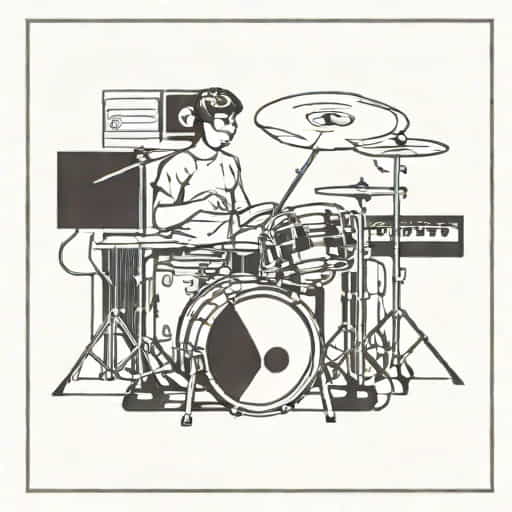
Neu Klang The Definitive History of Krautrock is an essential resource for anyone interested in the groundbreaking German music movement that emerged in the late 1960s and 1970s. Krautrock, a term used to describe experimental rock music originating in West Germany, combined electronic sounds, avant-garde composition, and rock influences to create a genre that has influenced countless artists worldwide. Neu Klang explores the origins, evolution, and cultural significance of Krautrock, providing readers with an in-depth look at its pioneering bands, iconic albums, and the social and political context that shaped the movement. For music enthusiasts, historians, and casual listeners alike, the book offers both historical insight and an appreciation for the innovation that defined Krautrock.
Origins of Krautrock
Krautrock emerged in a period of cultural and political transformation in post-war Germany. Musicians sought to break away from Anglo-American rock traditions and create a distinctly German sound. The movement was influenced by a desire to redefine national identity, embrace modern technology, and experiment with new musical forms. Neu Klang details how artists combined electronic instruments, improvisation, and minimalist approaches to develop a sound that was both innovative and revolutionary. Bands such as Can, Kraftwerk, Neu!, and Faust played pivotal roles in shaping the genre, challenging conventional rock structures and exploring sonic landscapes that had rarely been heard before.
Key Influences
- Experimental and electronic music from Europe, including composers like Karlheinz Stockhausen.
- American rock and jazz, which provided rhythmic and improvisational elements.
- Avant-garde art movements that encouraged pushing boundaries and challenging norms.
- Political and social changes in Germany, fostering a sense of freedom and experimentation among artists.
By tracing these influences, Neu Klang explains how Krautrock was not merely a musical trend but a cultural statement reflecting Germany’s post-war identity and desire for artistic innovation.
Pioneering Bands and Albums
Neu Klang provides comprehensive coverage of the most influential Krautrock bands and their landmark albums. Can’s improvisational techniques, Kraftwerk’s electronic innovations, Neu!’s motorik rhythms, and Faust’s experimental approach exemplify the diversity and creativity of the genre. Each band contributed a unique perspective to Krautrock, collectively shaping its reputation as a genre that defies easy categorization. The book includes detailed analyses of key albums, exploring how production techniques, instrumentation, and compositional methods contributed to their lasting impact.
Notable Bands
- CanKnown for their experimental improvisation and fusion of rock, electronic, and world music elements.
- KraftwerkPioneers of electronic music whose precise rhythms and synthesizer-driven sound influenced techno and pop music.
- Neu!Famous for the motorik beat and minimalist approach, influencing countless post-punk and electronic artists.
- FaustCreated avant-garde sound collages and innovative studio techniques that challenged traditional music conventions.
Iconic Albums
- Tago Magoby Can – Celebrated for its improvisational and experimental soundscapes.
- Autobahnby Kraftwerk – A groundbreaking electronic album that combined technology with melody.
- Neu! 75by Neu! – Known for its rhythmic innovation and minimalist style.
- Faust IVby Faust – A landmark of experimental rock combining diverse sonic textures and unconventional recording techniques.
By examining these bands and albums, Neu Klang emphasizes how Krautrock challenged traditional rock norms and laid the groundwork for modern electronic and experimental music.
Cultural and Political Context
Krautrock cannot be fully understood without considering the social and political context of West Germany during the 1960s and 1970s. Neu Klang explores how the aftermath of World War II, rapid modernization, and political unrest shaped the themes and attitudes of Krautrock musicians. The movement often reflected a desire for cultural autonomy and a break from American and British musical dominance. This context helps readers understand the urgency and radical nature of the experimentation undertaken by Krautrock artists, highlighting their role as cultural innovators.
Social Factors
- Rejection of traditional German music and mainstream pop culture.
- Desire for artistic freedom and expression in a rapidly modernizing society.
- Engagement with political ideas, including anti-establishment and countercultural movements.
Technological Innovations
The development of new electronic instruments, recording techniques, and synthesizers played a crucial role in the evolution of Krautrock. Neu Klang discusses how artists embraced these technologies to create sounds that had never been heard before, influencing genres ranging from ambient and techno to post-punk and industrial music. The book highlights the importance of studio experimentation, including tape manipulation, effects processing, and multi-track recording, which allowed musicians to push the boundaries of traditional composition.
Impact and Legacy
Krautrock’s influence extends far beyond Germany, affecting music worldwide. Artists in electronic, rock, punk, and ambient genres have cited Krautrock as a significant inspiration. Neu Klang explores this legacy, showing how the experimental techniques, rhythmic innovations, and electronic sounds developed by Krautrock musicians continue to resonate in contemporary music. The book emphasizes that Krautrock was not only a musical movement but a catalyst for broader experimentation and creativity across genres and generations.
Global Influence
- Electronic music pioneers drew inspiration from Kraftwerk’s precise rhythms and synthesizer use.
- Post-punk and alternative rock bands adopted the improvisational and experimental approaches of Can and Faust.
- Ambient and techno music evolved in part due to the sonic innovations introduced by Krautrock artists.
Enduring Appeal
The enduring appeal of Krautrock lies in its ability to combine artistic ambition with musical innovation. Neu Klang demonstrates how the movement remains relevant by examining reissues, modern reinterpretations, and contemporary artists who cite Krautrock as an influence. For readers and listeners alike, the book provides both historical context and a guide to appreciating the creative achievements of these groundbreaking musicians.
Neu Klang The Definitive History of Krautrock offers an authoritative and comprehensive exploration of one of the most innovative music movements of the 20th century. By examining the origins, key bands, iconic albums, cultural context, and lasting influence of Krautrock, the book provides readers with a deep understanding of why this genre remains significant. From the experimental improvisations of Can to the electronic precision of Kraftwerk, Krautrock represents a fusion of creativity, technology, and cultural rebellion that continues to inspire musicians and fans worldwide. For anyone interested in music history, experimental sounds, or the cultural evolution of post-war Germany, Neu Klang is an invaluable resource that celebrates the legacy of Krautrock and its enduring impact on global music.