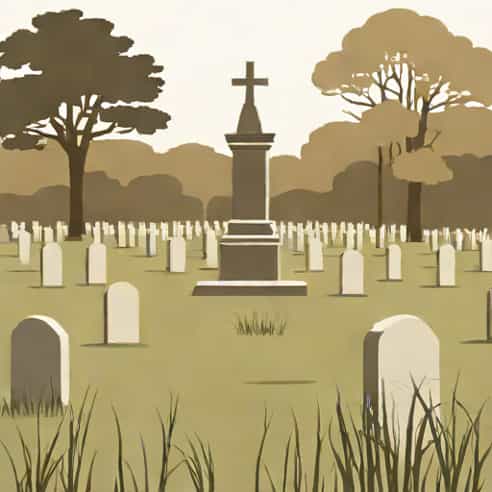
Myles Standish Burial Ground is one of the most historically significant sites in Plymouth, Massachusetts, offering visitors a glimpse into early colonial history and the lives of some of the first settlers of New England. The burial ground is notable not only as a final resting place but also as a site that reflects the customs, struggles, and legacy of the Pilgrims. Visitors to Myles Standish Burial Ground can explore old gravestones, many of which date back to the 17th century, providing a tangible connection to the past. The site holds cultural and educational value, attracting historians, genealogists, and tourists alike who are eager to learn about Myles Standish, a military leader of the Plymouth Colony, and other early settlers buried there. Walking through the burial ground offers an opportunity to reflect on the perseverance and faith of the Pilgrims and to gain a deeper appreciation for the early history of America.
Historical Significance
Myles Standish Burial Ground is widely regarded as one of the oldest maintained cemeteries in the United States. It was established in the early 1600s, shortly after the Pilgrims settled in Plymouth. Myles Standish, a key figure in the early colony, was a military leader who played a crucial role in the defense and organization of Plymouth Colony. His burial site, along with those of other prominent settlers, provides insight into the early days of the settlement and the challenges faced by the Pilgrims. Many of the gravestones are simple, reflecting the Puritan values of modesty and practicality, while some bear intricate carvings and inscriptions that tell stories of the individuals who shaped early colonial life.
Notable Burials
The burial ground is home to the graves of several notable figures from Plymouth Colony, making it a significant site for historical research and commemoration.
- Myles StandishThe most famous individual buried here, recognized as a military leader and organizer of the Plymouth Colony’s defenses.
- Early SettlersVarious Pilgrims and their families who arrived on the Mayflower and contributed to the early development of the colony.
- Community LeadersProminent figures in the colony, including landowners, ministers, and civic leaders, reflecting the social structure of early Plymouth.
Gravestones and Markers
The gravestones at Myles Standish Burial Ground provide a window into the artistic and cultural practices of 17th and 18th-century colonial New England. Many markers are made of slate or sandstone and feature symbolic carvings such as skulls, angels, or winged death heads, which were common in early colonial cemeteries. These symbols were intended to convey religious beliefs, mortality, and the hope of eternal life. The inscriptions often include the name, age, and date of death, offering valuable information for genealogical research. Preservation efforts have ensured that many of these gravestones remain legible, allowing visitors to connect with the history of the individuals buried there.
Visiting Myles Standish Burial Ground
Visiting Myles Standish Burial Ground provides a unique experience for history enthusiasts, researchers, and tourists. The site is peaceful and reflective, offering a quiet space to explore the early colonial history of Plymouth. Visitors can walk among the gravestones, read the inscriptions, and gain insight into the lives and experiences of the Pilgrims. Guided tours and informational plaques are sometimes available, providing additional context and historical background. Photography is often allowed, but visitors are encouraged to show respect for the burial ground and those interred there.
Guidelines for Visitors
- Respect the historic gravestones and do not touch or move them.
- Stay on designated pathways to preserve the site’s integrity.
- Be mindful of other visitors and maintain a quiet, reflective demeanor.
- Photography is permitted but avoid using flash near fragile markers.
- Follow any posted rules regarding pets, food, or group activities.
Educational and Cultural Value
Myles Standish Burial Ground serves as an educational resource, providing insights into the early colonial period, Puritan beliefs, and funerary practices. Schools, universities, and historical societies often use the site for research, field trips, and historical studies. Genealogists also find it valuable for tracing family histories and understanding the lineage of Plymouth settlers. The burial ground highlights the resilience and faith of the Pilgrims, offering a tangible connection to the past that complements historical records and documents.
Preservation and Conservation
Preserving Myles Standish Burial Ground has been a priority for local historical societies and preservation groups. The aging gravestones require careful maintenance to prevent deterioration caused by weather, erosion, and environmental factors. Conservation efforts include stabilizing leaning stones, cleaning surfaces, and documenting inscriptions for historical records. These efforts ensure that future generations can continue to learn from and appreciate the site. Educational programs and community involvement also help raise awareness about the importance of preserving this significant historical landmark.
Community and Commemoration
The burial ground is not only a historical site but also a place of commemoration for the community. Annual events, historical reenactments, and memorial ceremonies are sometimes held to honor Myles Standish and other early settlers. Local residents and visitors alike participate in these activities, fostering a connection to the shared heritage of Plymouth. The burial ground serves as a reminder of the sacrifices and contributions of the Pilgrims, highlighting the enduring legacy of the early colonial period in American history.
Events and Activities
- Historical reenactments depicting life in Plymouth Colony.
- Guided tours focusing on notable burials and gravestone symbolism.
- Educational workshops for students and researchers.
- Community clean-up and preservation days to maintain the site.
Tips for a Meaningful Visit
To fully appreciate Myles Standish Burial Ground, visitors should take their time exploring the site and reflecting on its historical significance. Bringing a notebook for observations, researching the history beforehand, and participating in guided tours can enhance the experience. Engaging with local historical societies or volunteers can provide additional context and stories about the individuals buried at the site. Respectful observation and thoughtful exploration allow visitors to connect with the rich history preserved within the burial ground.
Myles Standish Burial Ground in Plymouth, Massachusetts, stands as a vital link to the early history of New England and the lives of the Pilgrims who settled there. Its historical significance, notable burials, and preserved gravestones provide insight into the culture, faith, and perseverance of the early colonial community. Visitors can learn about Myles Standish, explore centuries-old markers, and reflect on the enduring legacy of those who shaped early American history. The burial ground offers both educational and cultural value, serving as a site for historical research, genealogical studies, and community commemoration. With ongoing preservation efforts, Myles Standish Burial Ground remains an important landmark that connects the present with the past, allowing future generations to appreciate and learn from the stories of the early settlers of Plymouth.