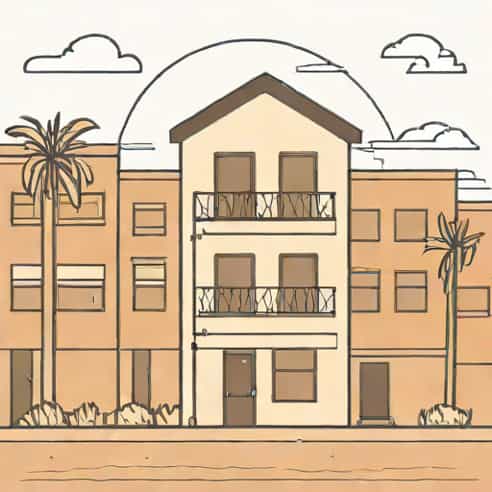
Identity often grows from a blend of memories, neighborhoods, and personal history, and for many people, these roots feel too deep to be reshaped by outside forces. The phrase my soul too high to gentrify captures this feeling with poetic clarity. It suggests a sense of pride, resilience, and emotional independence that cannot be altered by shifting environments or social pressure. The idea resonates with anyone who has ever held tightly to their authenticity in a world that constantly tries to redesign, label, or redefine them. It speaks to dignity, cultural preservation, and the power of staying grounded in one’s true self.
A Phrase Filled With Meaning
My soul too high to gentrify is more than a catchy expression; it reflects a mindset that values inner strength over external influence. While physical spaces can be transformed or replaced, the spirit of a person who understands their worth remains immovable. The phrase symbolizes a refusal to let outside forces dilute personal identity, culture, or emotional truth.
This idea has become increasingly relevant in discussions about gentrification, community identity, and cultural resilience. Even though the phrase is not strictly literal, it draws from the emotional impact of seeing long-standing communities altered by rapid change.
The Emotional Core of the Concept
At its heart, the phrase celebrates the inner world of a person their values, their history, their dreams. Gentrification typically refers to the transformation of neighborhoods, often pushing out long-time residents in favor of wealthier newcomers. When applied metaphorically to the self, it highlights a refusal to let outside forces reshape one’s core identity.
A Soul Rooted in Authenticity
People who relate to this phrase often feel deeply connected to
- Their cultural heritage
- Their personal history
- Their emotional independence
- Their sense of belonging
These connections make them less vulnerable to trends, pressures, and expectations that try to change who they are. Their soul stands tall and remains unwavering.
A Resistance to Cultural Dilution
Cultural dilution happens when communities or individuals feel pressured to abandon their original identity in order to fit into a more acceptable or mainstream version of life. The phrase pushes back against this pressure by embracing self-worth. It symbolizes a soul that refuses to shrink, adjust, or conform.
Why the Phrase Resonates Today
Modern society moves quickly, and cultural landscapes shift even faster. With urban development, social media influence, and economic pressure reshaping how people live, many feel a heightened need to protect their identity. My soul too high to gentrify becomes a declaration of spiritual independence.
The Impact of Changing Environments
Neighborhoods, workplaces, and online spaces evolve constantly. People often experience
- Loss of familiar surroundings
- Displacement from cultural spaces
- Pressure to adapt into new norms
- A sense of fragmentation
In the midst of these changes, the phrase acts as an anchor something that reaffirms stability and inner truth.
The Cultural Layers Behind the Expression
While the phrase can apply to anyone, it carries particular meaning in communities with rich histories, strong traditions, and deep emotional ties to their environment. It reflects pride in the stories passed down through generations, as well as the determination to keep them alive.
A Response to Erasure
Cultural erasure occurs when the identity of a community is overshadowed by new social or economic forces. Saying my soul too high to gentrify becomes a poetic defense against such erasure. It is a reminder that while buildings and surroundings may change, the essence of a culture remains in the people who carry it forward.
A Celebration of Resilience
Resilience is central to the expression. It acknowledges challenges without surrendering to them. People who embrace this mindset do not deny that change happens they simply refuse to let it diminish their sense of self.
The Personal Interpretation of the Phrase
On an individual level, the phrase captures the experience of staying true to one’s identity in circumstances that could easily cause someone to lose themselves. Whether it refers to personal growth, emotional boundaries, or mental strength, the phrase celebrates the soul as a sacred, unchangeable core.
Emotional Boundaries That Cannot Be Reshaped
Just as neighborhoods resist being remade, the soul can also resist unwanted influence. This resistance takes the form of strong emotional boundaries, which help protect
- Self-respect
- Personal values
- Life purpose
- Mental well-being
A person who claims their soul is too high to gentrify draws power from these boundaries.
Honoring One’s Origin Story
Every individual has an origin story that shapes their worldview, personality, and dreams. This story includes moments of joy, struggle, triumph, and learning. The phrase encourages people to honor that story rather than alter it for acceptance or convenience.
How the Phrase Inspires Creativity and Reflection
Poets, musicians, writers, and thinkers often gravitate toward ideas that blend cultural insight with metaphor, and this phrase offers both. Its emotional depth makes it a powerful tool for creative expression. It can inspire
- Poetry that explores identity
- Art that highlights cultural pride
- Reflections on community change
- Discussions about self-worth and resilience
The phrase becomes a creative spark an invitation to explore what it means to remain whole in a world full of shifting expectations.
Why the Soul Cannot Be Reshaped
The soul, as understood in this context, represents the deepest truth of a person. It is rooted in authenticity, moral grounding, and emotional clarity. These qualities cannot be bought, replaced, redesigned, or renovated. Unlike physical neighborhoods, the soul does not respond to economic or social pressure.
This is what makes the phrase so powerful it celebrates the part of a person that remains eternal and untouchable.
My soul too high to gentrify is more than a poetic declaration it is a statement of dignity, strength, and unwavering authenticity. It reflects the belief that no external force can diminish the richness of one’s inner world. In a time when identity can feel fragile, the phrase reminds us that some aspects of the self are sacred, unchangeable, and larger than any cultural or social shift. It encourages pride in one’s roots, resilience in the face of change, and confidence in the truth that the soul stands above influence, untouched and uncompromised.