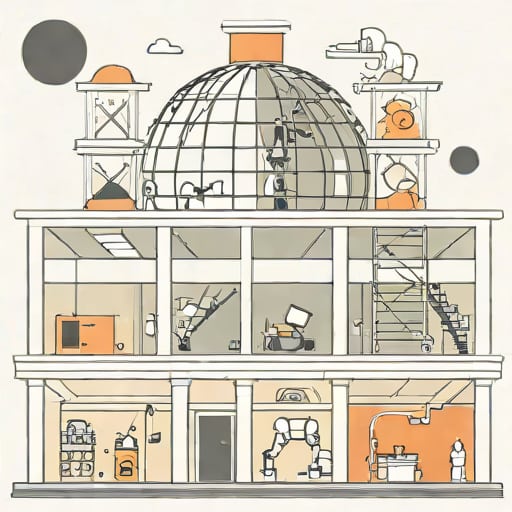
The Museum of Science and Curiosity is a vibrant place where learning meets excitement, inviting visitors of all ages to explore the wonders of science through hands-on experiences and interactive exhibits. Unlike traditional museums where you simply observe artifacts behind glass, this museum encourages curiosity, experimentation, and discovery. From the intricacies of human anatomy to the mysteries of the cosmos, each exhibit is carefully designed to engage the mind and spark imagination. Visitors leave not only with knowledge but also with a sense of awe and a deeper understanding of the natural and technological world around them. This museum has become a destination for families, students, and science enthusiasts seeking an unforgettable educational adventure.
Exploring the Exhibits
The Museum of Science and Curiosity offers a wide variety of exhibits that cater to different interests and age groups. The exhibits are designed to be interactive, allowing visitors to engage directly with scientific concepts rather than just reading about them. These exhibits cover topics ranging from physics and chemistry to biology, space exploration, and robotics. By allowing hands-on interaction, the museum encourages visitors to ask questions, test hypotheses, and develop critical thinking skills. Every display is carefully curated to make learning both fun and meaningful.
Science and Technology Zones
The museum is divided into several zones, each focusing on a specific area of science and technology. In the physics zone, visitors can experiment with forces, motion, and energy through engaging activities like roller coaster simulations and pendulum demonstrations. The chemistry zone allows for safe and interactive chemical experiments, helping visitors understand reactions, mixtures, and molecular structures. Robotics and engineering zones feature hands-on building stations where visitors can construct machines, program robots, and see how technology shapes the world around us.
Biology and Life Sciences
Biology enthusiasts will enjoy the life sciences area, which explores the complexity of living organisms. Exhibits include interactive models of the human body, showing how organs work together, as well as displays about animal behavior, ecosystems, and plant biology. The museum often uses augmented reality or interactive touchscreens to provide deeper insights into subjects like genetics and environmental science. Visitors can observe the fascinating adaptations of different species and understand the delicate balance that sustains life on Earth.
Space and Astronomy Exhibits
One of the highlights of the Museum of Science and Curiosity is its space and astronomy section. Here, visitors can explore the universe beyond our planet, learning about stars, planets, and galaxies. The museum may feature planetarium shows, telescope viewing areas, and simulations of space missions. These exhibits are designed to inspire awe and curiosity about the vastness of the cosmos, encouraging visitors to think about humanity’s place in the universe. From black holes to the exploration of Mars, the museum makes complex astronomical concepts accessible and engaging.
Hands-On Learning and Workshops
The museum offers workshops and live demonstrations to enhance the interactive learning experience. Science educators guide visitors through experiments, providing explanations and encouraging questions. Workshops might include making simple circuits, exploring chemical reactions, or building model rockets. These activities allow participants to apply scientific principles in a practical setting, reinforcing understanding and sparking a passion for exploration. Educational programs are often tailored for different age groups, making the museum a great resource for both children and adults.
Events and Special Programs
The Museum of Science and Curiosity hosts a range of events that attract visitors from diverse backgrounds. Seasonal programs, science festivals, and themed exhibitions offer unique experiences and opportunities to explore new topics. Special guest lectures by scientists and researchers provide insight into cutting-edge discoveries and ongoing research projects. The museum also collaborates with schools, offering field trips and outreach programs that bring science education into the classroom. These events foster community engagement and promote a lifelong love of learning.
Engaging Young Minds
Children are a central focus of the museum’s mission, and many exhibits are designed to ignite curiosity from an early age. Interactive play areas, educational games, and hands-on experiments encourage young visitors to explore scientific concepts in a playful manner. The museum emphasizes learning through discovery, helping children develop problem-solving skills, creativity, and confidence in their ability to investigate the world around them. By engaging children in science in a fun and memorable way, the museum contributes to inspiring the next generation of scientists, engineers, and innovators.
Technology Integration
Modern technology plays a key role in enhancing the museum experience. Interactive touchscreens, virtual reality simulations, and augmented reality applications allow visitors to experience science in innovative ways. For example, visitors can virtually explore the human brain, interact with 3D models of molecules, or experience the thrill of space travel through immersive simulations. Technology helps make complex scientific concepts understandable and accessible, bridging the gap between abstract ideas and tangible experiences.
Museum Facilities and Accessibility
The Museum of Science and Curiosity is designed to be welcoming and accessible to everyone. Wide pathways, ramps, and interactive stations ensure that visitors with different needs can fully enjoy the exhibits. Cafes, gift shops, and rest areas enhance the overall experience, making it comfortable for families and groups. The museum’s layout encourages exploration, allowing visitors to move freely between zones and spend as much time as they wish engaging with exhibits and activities.
The Impact of the Museum
The Museum of Science and Curiosity has a significant impact on education and community engagement. By making science exciting and interactive, it fosters curiosity and a deeper understanding of the natural and technological world. Students benefit from hands-on experiences that reinforce classroom learning, while families enjoy educational outings that spark meaningful conversations. The museum also encourages lifelong learning, inspiring visitors of all ages to continue exploring scientific topics beyond their visit. Its emphasis on curiosity, creativity, and critical thinking helps build a scientifically literate society prepared to tackle future challenges.
The Museum of Science and Curiosity is more than just a place to observe exhibits; it is a hub of discovery, learning, and inspiration. Through interactive displays, hands-on workshops, and innovative technology, the museum transforms science into an engaging and memorable experience. Visitors leave with a sense of wonder, a deeper appreciation for the natural world, and a motivation to continue exploring scientific ideas. By fostering curiosity and providing opportunities for active learning, the museum serves as a vital resource for education, entertainment, and community enrichment.