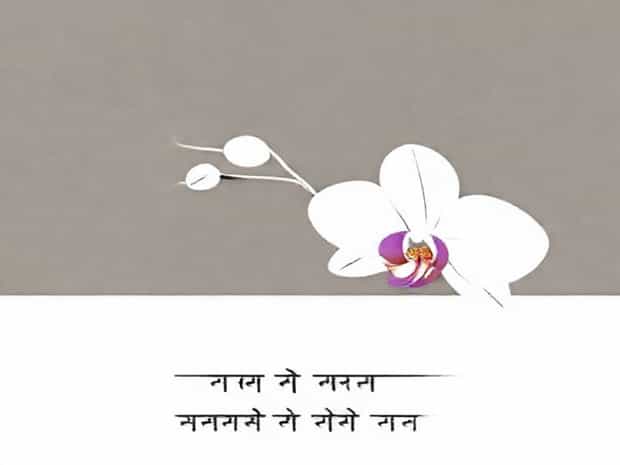
Orchids are among the most beautiful and diverse flowers in the plant kingdom, admired for their intricate shapes, vibrant colors, and delicate fragrance. Understanding the meaning of orchid in Hindi involves exploring its botanical characteristics, cultural significance, and symbolic value. Orchids belong to the family Orchidaceae and are known for their unique reproductive structures and adaptability to various environments. They are cultivated worldwide as ornamental plants and hold special importance in art, literature, and traditional practices. Learning about orchids and their meaning in Hindi helps individuals appreciate the beauty, cultural symbolism, and ecological importance of these extraordinary flowers.
Definition of Orchid
In English, an orchid is a type of flowering plant belonging to the family Orchidaceae, one of the largest and most diverse plant families. Orchids are characterized by bilateral symmetry, specialized petals, and a unique reproductive structure called the column. They grow in a variety of habitats, from tropical rainforests to temperate regions, and can be epiphytic (growing on other plants), terrestrial, or lithophytic (growing on rocks). Orchids are prized for their aesthetic appeal, long-lasting blooms, and intricate floral designs.
Orchid in Hindi
The Hindi translation of orchid is à¤à¤°à¥à¤à¤¿à¤¡” (Orchid), which is a transliterated term widely used in horticulture, floriculture, and educational contexts. In botanical literature and gardening manuals in Hindi, orchids are described as “सà¥à¤à¤¦à¤°à¥à¤¯à¤ªà¥à¤°à¥à¤£ फà¥à¤²” (saundaryapurn phool), emphasizing their ornamental and decorative value. Understanding this term in Hindi allows learners, gardeners, and enthusiasts to communicate effectively about orchid cultivation, care, and appreciation.
Types of Orchids
Orchids are extremely diverse, with over 25,000 species and numerous hybrids. The main types of orchids include
- Epiphytic OrchidsGrow on trees and derive moisture and nutrients from the air, such as Phalaenopsis and Dendrobium species.
- Terrestrial OrchidsGrow in soil, commonly found in temperate regions, including species like Cypripedium.
- Lithophytic OrchidsGrow on rocks, obtaining nutrients from rainwater and debris.
- Miniature OrchidsSmall-sized orchids suitable for indoor cultivation.
- Hybrid OrchidsCrossbred varieties created for enhanced colors, shapes, and flowering patterns.
Nutritional and Medicinal Uses
While orchids are primarily ornamental, some species have traditional medicinal uses in Ayurveda, Chinese medicine, and folk remedies. For example, certain orchid tubers are used to treat coughs, digestive issues, and skin conditions. Orchids such as Dendrobium are used in herbal teas and tonics. In Hindi, these uses are often referred to as “à¤à¤·à¤§à¥à¤¯ à¤à¤ªà¤¯à¥à¤ ” (aushadhiye upyog), highlighting the role of orchids beyond decoration.
Cultural Significance
Orchids hold deep cultural and symbolic significance across the world. They are associated with beauty, luxury, strength, and love. In India and Hindi-speaking regions, orchids are used in weddings, festivals, and religious ceremonies for decoration and gifting. The delicate structure and vibrant colors of orchids symbolize elegance and refinement. They are also featured in art, poetry, and traditional motifs, reflecting aesthetic appreciation and spiritual symbolism.
Orchid in Gardening and Floriculture
Orchid cultivation is a popular hobby and professional pursuit. Orchids require specific care, including proper light, humidity, temperature, and soil or growing medium. Epiphytic orchids need hanging baskets or mounts, while terrestrial orchids require well-draining soil. Fertilization and regular monitoring are essential for healthy growth and blooming. In Hindi, these practices are described under terms like “à¤à¤°à¥à¤à¤¿à¤¡ à¤à¥ दà¥à¤à¤à¤¾à¤²” (Orchid ki dekhbhal), emphasizing the specialized care required for these exquisite plants.
Symbolism of Orchids
Orchids symbolize various human emotions and values, such as
- Love and passion, due to their delicate and exotic appearance.
- Elegance and beauty, often used in decorative arrangements and ceremonies.
- Strength and resilience, as some orchids thrive in challenging environments.
- Luxury and refinement, associated with rare and exotic species.
In Hindi, orchid symbolism is expressed as “पà¥à¤°à¥à¤® à¤à¤° सà¥à¤à¤¦à¤°à¤¤à¤¾ à¤à¤¾ पà¥à¤°à¤¤à¥à¤” (prem aur sundarta ka prateek), connecting the flower to emotional and cultural contexts.
Orchids in Everyday Life
Orchids are widely used in daily life for decoration, gifting, and landscaping. They are grown in homes, offices, gardens, and public spaces to enhance aesthetic appeal. Orchid bouquets are popular for birthdays, anniversaries, and celebrations. Their presence in hotels, events, and exhibitions highlights their universal appeal. In Hindi-speaking regions, orchids are appreciated as “सà¤à¤¾à¤µà¤ à¤à¤° à¤à¤ªà¤¹à¤¾à¤° à¤à¥ फà¥à¤²” (sajavat aur uphaar ke phool), underscoring their ornamental and social importance.
Environmental Importance
Orchids contribute to ecological balance by supporting pollinators like bees, butterflies, and birds. Their diverse forms and adaptive strategies reflect evolutionary success. Preserving wild orchid species is crucial for biodiversity conservation, as many orchids face threats from habitat loss, climate change, and illegal trade. In Hindi, awareness about orchid conservation is expressed as “à¤à¤°à¥à¤à¤¿à¤¡ सà¤à¤°à¤à¥à¤·à¤£” (Orchid sanrakshan), emphasizing the need to protect these plants for ecological and aesthetic reasons.
Economic Value
Orchids have significant economic importance in floriculture and horticulture industries. They are sold as cut flowers, potted plants, and hybrids, generating income for growers and traders. Orchid exhibitions and flower shows attract enthusiasts and buyers, promoting the trade and appreciation of orchids. In India and other Hindi-speaking countries, orchid cultivation is increasingly recognized as a profitable venture, contributing to local economies and promoting sustainable agricultural practices.
Examples of Popular Orchid Species
- PhalaenopsisAlso known as the moth orchid, popular for indoor cultivation.
- DendrobiumKnown for its long-lasting blooms and diverse colors.
- CattleyaOften called the queen of orchids, valued for its large and fragrant flowers.
- VandaExotic orchids with vibrant colors, commonly used in decorative arrangements.
- Vanilla OrchidCultivated for producing vanilla pods, used in food and fragrance industries.
The meaning of orchid in Hindi, expressed as “à¤à¤°à¥à¤à¤¿à¤¡” (Orchid) or described as “सà¥à¤à¤¦à¤°à¥à¤¯à¤ªà¥à¤°à¥à¤£ फà¥à¤²” (saundaryapurn phool), encompasses its botanical, cultural, and symbolic significance. Orchids are not only admired for their beauty and elegance but also valued for their ecological role, medicinal uses, and economic importance. Understanding orchids in both English and Hindi enhances appreciation for their diverse forms, care requirements, and symbolic meanings. By incorporating orchids into gardens, ceremonies, and daily life, individuals can enjoy their aesthetic and cultural value while promoting biodiversity and sustainable cultivation practices.