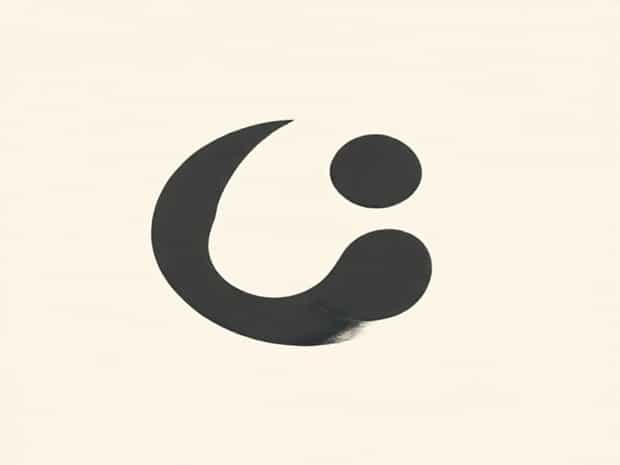
Art is a universal language that communicates ideas, emotions, and concepts beyond the limitations of words. One of the most intriguing aspects of visual art is the use of abstract shapes, which can convey meaning, evoke feelings, and provoke thought without relying on realistic representations. Understanding the meaning of abstract shapes helps viewers appreciate the depth and intention behind artworks, as well as recognize how artists use form, color, and composition to communicate. Abstract shapes are widely used in painting, sculpture, design, and digital media, making them a versatile tool for artistic expression and cultural symbolism.
Defining Abstract Shapes
Abstract shapes refer to forms that do not directly represent objects or living beings from the physical world. Instead, they are simplified, stylized, or exaggerated forms used to express ideas, emotions, or aesthetic principles. Unlike figurative shapes, which imitate reality, abstract shapes focus on essence, structure, and visual impact. They can be geometric, such as circles, squares, and triangles, or organic, featuring irregular, flowing, or biomorphic forms. The interpretation of abstract shapes often depends on context, cultural background, and individual perception.
The Role of Abstract Shapes in Art
Abstract shapes serve multiple purposes in artistic creation. They allow artists to explore concepts and emotions in a visual language that is not constrained by realism. By using abstract shapes, artists can
- Emphasize balance, harmony, and rhythm within a composition
- Create visual interest through contrast, repetition, and movement
- Symbolize ideas, feelings, or philosophical concepts without literal representation
- Encourage viewers to engage imagination and personal interpretation
- Focus on the aesthetics of form, line, and color as expressive tools
The flexibility of abstract shapes allows artists to communicate on multiple levels, from the emotional to the intellectual, and often leaves space for individual interpretation.
Geometric vs. Organic Abstract Shapes
Abstract shapes can generally be categorized into geometric and organic types, each carrying distinct meanings and associations
Geometric Abstract Shapes
Geometric shapes are precise and regular, such as squares, rectangles, circles, and triangles. They often convey stability, order, and logic. In abstract art, geometric shapes can suggest
- Structure and organization
- Mathematical or scientific principles
- Modernity and minimalism
- Predictability and symmetry
Artists like Piet Mondrian and Kazimir Malevich frequently employed geometric abstract shapes to explore harmony, balance, and the reduction of visual elements to their essence.
Organic Abstract Shapes
Organic shapes are irregular, free-flowing, and often inspired by forms in nature. They evoke a sense of movement, growth, and fluidity. Organic abstract shapes can communicate
- Emotion and spontaneity
- Natural forms and life-like qualities
- Freedom and creativity
- Softness and unpredictability
Artists such as Joan Miró and Henri Matisse used organic abstract shapes to convey playful energy, natural patterns, and imaginative concepts beyond literal depiction.
Symbolism of Abstract Shapes
Abstract shapes often carry symbolic meanings, which can vary across cultures and historical periods. Some common associations include
- CircleUnity, infinity, wholeness, and protection
- TriangleStability, direction, aspiration, and transformation
- Square/RectangleBalance, order, foundation, and reliability
- SpiralGrowth, evolution, and cycles of life
- Wavy or Curved LinesFlow, flexibility, and emotional expression
By incorporating these shapes, artists can subtly communicate themes, moods, or philosophical ideas, enhancing the depth and meaning of their work.
Psychological Impact of Abstract Shapes
Abstract shapes also influence viewers on a psychological level. The form, angle, and arrangement of shapes can evoke specific emotions or reactions
- Angular shapes like triangles or sharp polygons may induce tension, excitement, or alertness
- Soft, rounded shapes like circles and ovals often evoke calmness, comfort, and harmony
- Asymmetrical shapes can create a sense of movement, unpredictability, or dynamic energy
- Repetition of shapes can produce rhythm and visual satisfaction
Artists often use this knowledge to guide the viewer’s experience, creating compositions that evoke intended feelings or provoke contemplation.
Abstract Shapes in Modern Design and Digital Media
Beyond traditional art, abstract shapes are widely used in modern design, architecture, and digital media. In graphic design, abstract shapes can communicate brand identity, create visual hierarchy, and attract attention. In architecture, they can define space, structure, and aesthetic appeal. In digital media, abstract forms are used in animations, interfaces, and interactive experiences to guide user perception and engagement. The meaning of abstract shapes in these contexts may be both functional and symbolic, balancing communication with artistic expression.
Practical Applications
- Logo design using simple geometric or organic shapes to convey brand values
- Web and app interfaces incorporating abstract forms for navigation and visual appeal
- Architectural facades using abstract geometric or organic patterns to evoke style and identity
- Digital art and animation utilizing abstract shapes to convey motion and emotion
These applications demonstrate how abstract shapes are not just aesthetic elements but also tools for communication and experience design.
Interpreting Abstract Shapes
The interpretation of abstract shapes is often subjective, depending on cultural context, personal experiences, and emotional responses. Unlike figurative art, which has more direct meaning, abstract shapes invite viewers to explore their imagination, reflect on emotions, and derive personal significance. Art educators often encourage students to engage with abstract forms to develop critical thinking, visual literacy, and emotional awareness.
Tips for Understanding Abstract Shapes
- Observe the composition and relationships between shapes
- Consider the cultural or historical context of the artwork
- Reflect on the emotional or psychological response evoked
- Explore color, texture, and movement in combination with the shapes
- Engage in discussions or written reflections to articulate personal interpretation
This approach encourages a deeper appreciation of abstract art and fosters a more meaningful connection with visual expression.
Abstract shapes are a fundamental component of visual art and design, offering a unique language to communicate ideas, emotions, and concepts. Understanding the meaning of abstract shapes helps viewers recognize the symbolic, psychological, and aesthetic dimensions of artistic works. Whether geometric or organic, repeated or isolated, abstract shapes carry cultural, emotional, and functional significance. From traditional painting and sculpture to modern digital media and design, these forms continue to inspire creativity, provoke thought, and enhance visual experiences. By engaging with abstract shapes thoughtfully, individuals can deepen their appreciation of art and the diverse ways in which visual forms convey meaning.