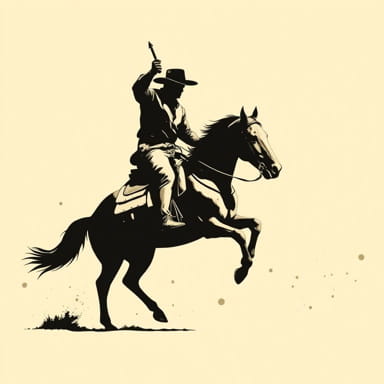
The Comanche people were once among the most formidable and skilled horsemen on the North American plains. Revered for their agility, speed, and tactical brilliance on horseback, the Comanche revolutionized warfare and hunting through their mastery of equestrian skills. Known as the Lords of the Plains, they left an indelible legacy of martial feats that continue to captivate historians, anthropologists, and enthusiasts of Native American history. Their horsemanship was not merely a mode of transport or combat; it was deeply tied to their cultural identity, survival, and dominance over vast territories.
Origins of Comanche Horsemanship
The Comanche originally split off from the Shoshone tribe and migrated southward during the late 17th century. It was during this period that they acquired horses likely from Spanish settlers and quickly adapted to this new form of mobility. Unlike other tribes that took time to integrate horses into their lifestyles, the Comanche swiftly transformed their society, becoming entirely horse-centered within a few generations. This swift adaptation was a key factor in their rise as dominant warriors across the Great Plains.
Early Mastery of the Horse
The Comanche began training with horses at an early age. Children learned to ride almost as soon as they could walk. Young boys practiced balance, precision, and speed through games and mock battles, preparing them for real combat. Horses were not just tools they were companions, status symbols, and war assets. The tribe bred horses selectively to improve traits like endurance and speed, ensuring they maintained superiority in battle and hunting.
Combat Tactics and Battlefield Skill
Martial feats of Comanche horsemanship were legendary, especially during times of conflict with settlers, rival tribes, and the U.S. military. Their agility, swiftness, and ability to strike with precision made them fearsome opponents. The Comanche fought with an array of weapons including bows, lances, and later, firearms. However, their true power lay in how they used these weapons while galloping at full speed.
Mounted Archery and Surprise Attacks
One of the most iconic martial skills of Comanche warriors was mounted archery. They could shoot arrows in rapid succession while riding at high speed. Even more impressively, they could fire while hanging off the side of their horses, using the animal as a shield against bullets and arrows. This tactic made them nearly impossible to hit during battle and enabled them to strike from angles that most adversaries found difficult to defend against.
- They could guide their horse with only their legs, keeping their hands free for weapons.
- They used short bows specially designed for close-range accuracy while riding.
- They often carried multiple weapons and would switch between them mid-battle.
- They practiced ambush strategies, using the element of surprise to dominate their enemies.
Close Combat and the Horse as a Weapon
The Comanche viewed their horse not only as a means of transport but as an extension of themselves in battle. They could steer their mounts with expert precision to dodge, flank, or charge enemies. Horses were trained to respond instantly to commands, and some were even conditioned to act aggressively in the chaos of combat. A favorite tactic involved the warrior riding in close, delivering a deadly blow with a lance or tomahawk, and disappearing before the enemy could counterattack.
Psychological Warfare and Bravery
Comanche martial feats extended beyond physical prowess. They also understood the importance of fear and psychological tactics. Warriors often painted themselves and their horses with war paint to intimidate foes. Battle cries and coordinated attacks created chaos among enemy lines. These displays of power often led to the surrender of adversaries before a full-scale conflict even began.
The Role of Honor and Recognition
Martial accomplishments were closely tied to personal honor and social status. Warriors earned prestige through acts of bravery, including counting coup touching an enemy without killing them. Successfully stealing horses from rivals or enemies also brought immense respect. These acts were not just seen as bold but were considered sacred, celebrated in stories and ceremonies for generations.
Comanche Horsemanship in Hunting
While warfare was a major arena for their horsemanship, hunting was equally vital. The Comanche were expert buffalo hunters, and their ability to ride at full gallop while shooting arrows made them unmatched in this domain. A single warrior could take down multiple buffalo in one pursuit, using his horse to navigate the stampeding herds with astonishing control.
Hunting Techniques on Horseback
Buffalo hunts were highly coordinated. Warriors worked in groups, surrounding a herd and singling out targets. With bows and lances in hand, they struck with precision, aiming for vital organs while maneuvering through chaotic movement. These hunts supplied not only food but hides, bones, and sinew materials essential to Comanche daily life and warfare.
Legacy and Influence
The martial feats of Comanche horsemanship influenced other tribes and even the U.S. military. Their skill set a benchmark for mounted combat and survival in the harsh conditions of the plains. Despite being eventually subdued in the late 19th century, the Comanche spirit endured, and their horsemanship is remembered as one of the most advanced in indigenous history.
Preserving the Tradition
Today, Comanche culture continues to honor its equestrian roots. Powwows, storytelling, and historical reenactments keep the memory of these warriors alive. Equine programs and cultural education ensure that new generations understand the skill, discipline, and courage that defined the Comanche rider.
The martial feats of Comanche horsemanship were the result of centuries of adaptation, innovation, and cultural reverence for the horse. They turned horsemanship into an art form and a powerful tool of survival. Their tactics, bravery, and unmatched skill on horseback have left a lasting legacy that continues to inspire admiration and study today. Understanding their horsemanship is essential not only to appreciating Comanche history but also to recognizing the broader narrative of indigenous resilience and ingenuity on the North American frontier.