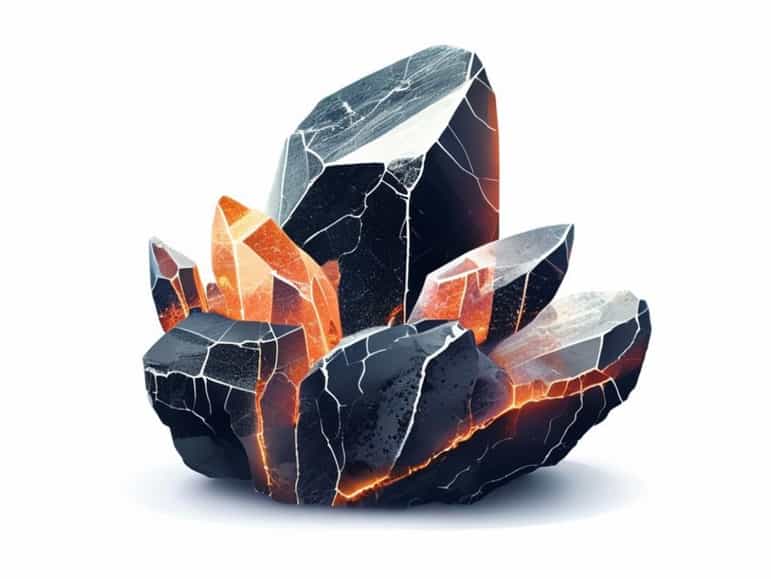
Extrusive igneous rocks are fascinating geological formations that provide insight into the dynamic processes occurring within the Earth’s crust. Unlike intrusive igneous rocks, which crystallize slowly beneath the surface, extrusive igneous rocks form from lava that erupts onto the Earth’s surface, cooling rapidly to create distinct textures and mineral compositions. Understanding how extrusive igneous rocks crystallize and form is essential for students, geologists, and enthusiasts interested in Earth science, as these rocks reveal the history of volcanic activity and the chemical processes that shape our planet.
What Are Extrusive Igneous Rocks?
Extrusive igneous rocks, also known as volcanic rocks, originate from molten magma that reaches the Earth’s surface. This magma, once it exits through volcanic vents or fissures, is called lava. When lava cools quickly, it solidifies into rock, often with fine-grained textures or even glassy surfaces due to the rapid crystallization process. Common examples include basalt, andesite, rhyolite, and obsidian.
Characteristics of Extrusive Igneous Rocks
- Fine-grained or aphanitic texture due to rapid cooling.
- May contain vesicles or gas bubbles trapped during solidification.
- Often darker in color if mafic, or lighter if felsic in composition.
- Typically forms in volcanic regions or along mid-ocean ridges.
Formation Process of Extrusive Igneous Rocks
The formation of extrusive igneous rocks involves several key stages. First, magma generated within the mantle or lower crust rises due to buoyancy and pressure differences. Once it reaches the surface, the magma erupts as lava, which begins to cool immediately upon contact with air or water. Rapid cooling inhibits the growth of large mineral crystals, resulting in the fine-grained or glassy textures characteristic of these rocks.
Steps in Crystallization
- Magma GenerationMagma forms due to partial melting of the mantle or crust, influenced by temperature, pressure, and composition.
- AscentMagma rises through fractures and volcanic conduits toward the Earth’s surface.
- EruptionMagma erupts as lava, pyroclastic flows, or volcanic ash.
- Cooling and CrystallizationRapid cooling leads to the formation of small mineral grains or volcanic glass.
- SolidificationLava solidifies into extrusive igneous rock, often preserving features like vesicles or columnar joints.
Textures and Features
The rapid crystallization of extrusive igneous rocks produces unique textures that distinguish them from intrusive rocks. Aphanitic texture refers to rocks with crystals too small to see with the naked eye. Porphyritic texture occurs when lava contains larger crystals, known as phenocrysts, embedded in a fine-grained matrix. Glassy texture results from extremely rapid cooling, as seen in obsidian. Vesicular texture is characterized by numerous holes formed by trapped gas bubbles, typical in pumice and scoria.
Common Extrusive Rock Types
- BasaltDark, fine-grained rock commonly found in oceanic crust and lava flows.
- AndesiteIntermediate composition, often associated with volcanic arcs.
- RhyoliteLight-colored, high-silica rock forming from viscous lava.
- ObsidianVolcanic glass with smooth, shiny surfaces formed from very rapid cooling.
- PumiceLight, porous rock capable of floating on water due to trapped gas bubbles.
- ScoriaDark, vesicular rock typically ejected during explosive eruptions.
Factors Affecting Crystallization
Several factors influence how extrusive igneous rocks crystallize and form, including cooling rate, chemical composition, and gas content. Rapid cooling prevents large crystals from forming, while slower cooling in thicker lava flows may produce slightly larger crystals. The silica content of the magma determines the viscosity, which in turn affects gas escape and eruption style. Gas-rich lava tends to produce vesicular rocks, whereas low-gas lava forms dense, fine-grained rocks.
Cooling Rate
- Rapid cooling at the surface creates aphanitic or glassy textures.
- Intermediate cooling may produce porphyritic textures with visible phenocrysts.
- Slow cooling is rare in extrusive rocks but can occur in lava domes or thick flows.
Composition
- Mafic lava (low silica, high iron and magnesium) produces basalt and scoria.
- Intermediate lava produces andesite with medium silica content.
- Felsic lava (high silica) produces rhyolite and pumice with high viscosity and explosive eruption potential.
Gas Content
- High gas content leads to vesicles and pumice formation.
- Low gas content produces denser, fine-grained rocks.
- Degassing during eruption influences texture and density of the solidified rock.
Geological Significance
Extrusive igneous rocks play a critical role in understanding Earth’s geological history. They provide evidence of past volcanic activity, eruption styles, and mantle composition. Studying these rocks helps geologists reconstruct tectonic processes, identify mineral resources, and assess volcanic hazards. Features such as flow structures, columnar joints, and vesicles offer insights into cooling rates, gas content, and eruption dynamics.
Applications
- Construction materials basalt and scoria are used for roads, concrete, and landscaping.
- Geological mapping extrusive rocks help identify volcanic provinces and tectonic boundaries.
- Scientific research studying crystallization patterns reveals information about magma chemistry and eruption history.
- Volcanic hazard assessment understanding lava flow and eruption types informs disaster preparedness.
Extrusive igneous rocks crystallize and form through the rapid cooling of lava at or near the Earth’s surface, resulting in unique textures and compositions that differ from their intrusive counterparts. Factors such as cooling rate, chemical composition, and gas content influence the final rock characteristics. From basalt and rhyolite to pumice and obsidian, these rocks provide vital information about volcanic activity, magma chemistry, and geological processes. Understanding how extrusive igneous rocks form enhances our knowledge of Earth’s dynamic systems and highlights the intricate interplay between heat, pressure, and chemistry that shapes the planet’s surface.