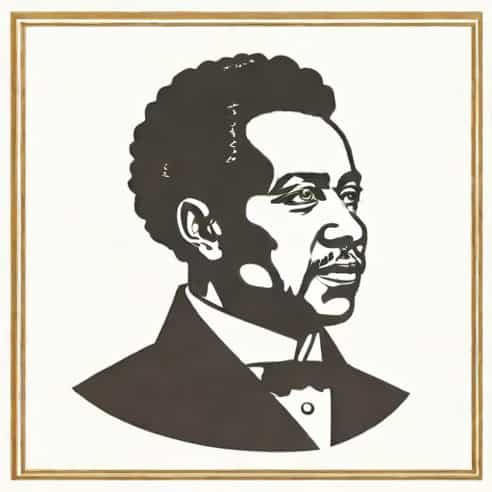
On March 5, 1770, one of the most significant events leading up to the American Revolution occurred in Boston, Massachusetts-the Boston Massacre. Among those who lost their lives that day was Crispus Attucks, a man whose name would forever be remembered as a symbol of courage and resistance against oppression. His death marked a turning point in the growing tension between the American colonists and British soldiers. Over time, Attucks became an emblem of freedom and sacrifice, representing the diverse roots of the revolutionary struggle that would eventually shape a new nation.
The Historical Background of March 5, 1770
In the years leading up to 1770, the relationship between the American colonies and Great Britain had become increasingly strained. British soldiers were stationed in Boston to enforce unpopular taxes imposed by the British Parliament, such as the Townshend Acts. These taxes angered colonists who believed they were being unfairly taxed without proper representation in government. Protests and confrontations became common, setting the stage for violence.
On the night of March 5, tensions reached a boiling point. A crowd of colonists gathered outside the Customs House on King Street, confronting a group of British soldiers. The situation quickly escalated as insults, snowballs, and debris were thrown at the soldiers. Amid the chaos, shots were fired, and several colonists were struck down. Five men died as a result of the attack, including Crispus Attucks, who would become the most remembered victim of the tragedy.
Who Was Crispus Attucks?
Crispus Attucks was a man of mixed African and Native American heritage. He was believed to have been born around 1723 in Framingham, Massachusetts. His early life remains somewhat mysterious, but records suggest he may have been enslaved during his youth before gaining his freedom. Attucks worked as a sailor and dockworker, occupations that connected him to Boston’s bustling port community and exposed him to the economic and political unrest of the time.
As a free man of color living in a society still defined by racial inequality, Attucks’s life symbolized both the promise and the limitations of liberty in colonial America. His involvement in the events of March 5, 1770, was not accidental-he was part of a crowd that actively protested British military presence in Boston. His death made him one of the first martyrs for American independence, even before the Revolutionary War began.
The Boston Massacre and the Death of Crispus Attucks
The confrontation that night was sudden and deadly. Witnesses later described the crowd as angry but unarmed. When British soldiers opened fire, Attucks was the first to fall. According to historical accounts, he was shot twice in the chest, dying instantly. His body reportedly lay at the front of the crowd, symbolizing the courage of those who stood against oppression.
The event shocked the colonies. News of the Boston Massacre spread rapidly, fueling outrage and deepening anti-British sentiment. The colonial press portrayed the victims as innocent patriots who had been murdered by foreign troops. The deaths on March 5 became a rallying cry for resistance, with Crispus Attucks emerging as a powerful symbol of unity among people of all races and backgrounds.
The Aftermath and Public Reaction
After the Boston Massacre, the city of Boston held a massive funeral procession for the five victims. Thousands of residents lined the streets as their coffins were carried together in a single public ceremony. Crispus Attucks, though a man of African and Native descent, was given the same honor as his white compatriots. This act reflected the growing sense of shared purpose among colonists against British rule.
In the trial that followed, John Adams, who would later become the second President of the United States, defended the British soldiers. Adams argued that the soldiers had acted in self-defense, and while most were acquitted, two were convicted of manslaughter. Even so, the event became an essential piece of revolutionary propaganda, used to show the brutality of British authority. Attucks was immortalized as the first person to die for the cause of American liberty.
Crispus Attucks as a Symbol of Freedom
Over the centuries, the image of Crispus Attucks has taken on great historical and cultural importance. Many historians regard him as the first American casualty in the fight for independence. His mixed heritage also adds depth to his legacy, reminding future generations that people of color played a crucial role in the founding of the United States.
During the 19th century, abolitionists celebrated Attucks as an example of African American bravery and sacrifice. Writers and speakers in the antislavery movement highlighted his role to show that Black Americans had always been part of the nation’s struggle for freedom. In later years, his story became part of African American heritage and U.S. history education, symbolizing equality, courage, and the fight for justice.
Memorials and Recognition
Today, Crispus Attucks is honored in numerous ways across the United States. His name appears in schools, parks, and public buildings, particularly in Boston, where the tragedy occurred. The Crispus Attucks Monument, located in Boston Common, stands as a lasting tribute to him and the other victims of the Boston Massacre.
March 5 is sometimes commemorated as a day of remembrance for the Boston Massacre, with ceremonies and reenactments that recall the events of that night. Historians, students, and community leaders continue to discuss the legacy of Crispus Attucks as both a historical figure and a symbol of what it means to stand against injustice.
The Broader Impact on the American Revolution
The Boston Massacre, sparked on March 5, 1770, had far-reaching consequences. It intensified resentment toward British rule and strengthened the unity of the colonies. Leaders like Samuel Adams and Paul Revere used the event to spread revolutionary ideas, emphasizing British cruelty and colonial victimhood. Revere’s famous engraving of the massacre depicted the soldiers as aggressors, further igniting public anger.
Crispus Attucks’s death became a moral turning point. His sacrifice illustrated that ordinary people-workers, sailors, and laborers-were willing to risk their lives for freedom. The tragedy laid the groundwork for the revolutionary movement that would erupt five years later at Lexington and Concord, signaling the start of the American War of Independence.
The Legacy of March 5, 1770
The story of March 5, 1770, and the life of Crispus Attucks continue to resonate today. His legacy is not only about one man’s death but also about the collective awakening of a people ready to fight for their rights. Attucks represents a bridge between different worlds-African, Native, and European-and his story reflects the diversity that would come to define America itself.
Modern discussions about Attucks often focus on his role as an early figure in the long journey toward racial equality. He stands as a reminder that the fight for liberty and justice in America began with the efforts and sacrifices of people from all walks of life. His name endures as a symbol of defiance, courage, and the unyielding human desire for freedom.
March 5, 1770, remains a defining moment in American history, and Crispus Attucks stands at its center. As the first to die in the Boston Massacre, he helped ignite the flame of independence that would spread throughout the colonies. His life story continues to inspire conversations about equality, citizenship, and the true meaning of freedom. Through his sacrifice, Crispus Attucks reminds us that the pursuit of justice often comes at great personal cost, but it is through such courage that nations are born and strengthened.