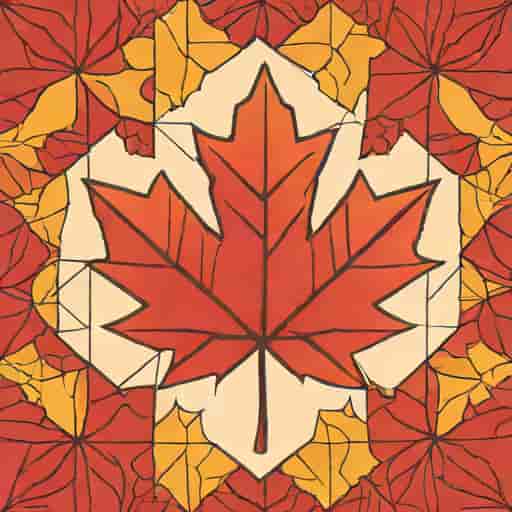
Maple leaf quilting is a beloved tradition in the world of textile arts, combining intricate design with cultural symbolism and practical craftsmanship. This quilting style features the iconic shape of the maple leaf, which not only serves as a striking visual motif but also carries deep connections to heritage, nature, and national identity, especially in countries like Canada. Quilters who create maple leaf patterns often spend countless hours selecting fabrics, perfecting stitching techniques, and assembling quilt blocks to produce a cohesive and beautiful final piece. The process requires patience, creativity, and a keen eye for color and pattern, making maple leaf quilts both functional and highly artistic creations that can be cherished for generations.
History and Origins of Maple Leaf Quilting
The maple leaf pattern has roots in traditional American and Canadian quilting, where it first gained popularity in the 19th century. Early quilters were inspired by the natural beauty of the maple tree, its vibrant autumn leaves, and the symbolic meanings associated with it, including strength, endurance, and unity. In Canadian culture, the maple leaf has long been a national emblem, appearing on flags, coins, and official symbols, which naturally extended into textile arts. Quilters adapted geometric and pieced block techniques to recreate the maple leaf in fabric, creating quilts that not only served as practical bedding but also as expressions of cultural pride and artistic skill.
Evolution of the Pattern
- Early quilts featured simple, pieced maple leaf designs using solid-colored fabrics.
- Over time, quilters incorporated intricate patchwork, applique, and embroidery techniques.
- Modern quilters experiment with color gradients, batik fabrics, and innovative layouts.
- Maple leaf quilts are now celebrated in exhibitions, competitions, and quilting guilds.
Design Elements in Maple Leaf Quilting
Maple leaf quilting requires careful consideration of design elements, including block layout, fabric selection, and stitching style. A standard maple leaf block is typically composed of several smaller triangles and squares that, when pieced together, form the recognizable leaf shape. Some quilters use a single leaf as a central motif, while others create multiple leaves in a repeating pattern across the entire quilt. The choice of fabrics-ranging from rich autumn tones to soft pastels-adds depth, movement, and visual interest to the quilt. Quilters often experiment with contrasting and complementary colors to make the leaf motif stand out.
Key Components
- Block constructionThe leaf is usually formed from a combination of triangles and squares.
- Color paletteWarm autumn shades, reds, oranges, and yellows are common, but modern designs may use bold or pastel colors.
- BackgroundSolid or subtly patterned fabrics often highlight the maple leaf.
- Stitching techniquesOptions include hand quilting, machine quilting, and decorative embroidery for added texture.
- Border designsQuilters often frame the leaf blocks with complementary borders to create a polished finish.
Techniques Used in Maple Leaf Quilting
Several quilting techniques are employed to bring maple leaf designs to life. Piecing is the most traditional method, requiring precise cutting and stitching to align triangles and squares accurately. Applique is another technique, where the leaf shape is cut from a single piece of fabric and sewn onto a background, allowing for more fluid curves and artistic interpretations. Quilters may also use a combination of these methods to achieve intricate designs. Once the blocks are assembled, quilters layer the top fabric, batting, and backing and use hand or machine quilting stitches to secure the layers while adding texture and design. Some quilters also incorporate embroidery, decorative stitching, or embellishments for added visual interest.
Popular Techniques
- Traditional piecingAligning multiple fabric pieces to form the leaf pattern.
- AppliqueApplying pre-cut maple leaf shapes to a background fabric.
- Patchwork variationsCombining multiple small pieces for a mosaic effect.
- EmbroideryAdding details like veins or highlights on the leaf.
- Machine quiltingUsing sewing machines to achieve precise, uniform stitches.
Significance and Symbolism
The maple leaf in quilting is more than just a decorative element; it carries rich symbolism. In Canadian culture, it represents unity, endurance, and national pride, often serving as a tribute to family heritage and community values. In broader quilting traditions, leaves symbolize growth, nature, and the cycle of life. By incorporating the maple leaf motif, quilters infuse their work with meaning, creating pieces that honor both natural beauty and personal or cultural identity. These symbolic quilts are often passed down through generations as heirlooms, preserving memories and family stories.
Why Quilters Choose the Maple Leaf
- Represents nature, growth, and seasonal change.
- Acts as a national or cultural symbol, especially in Canada.
- Provides a visually striking geometric motif for quilt design.
- Allows for creative expression through color and fabric choice.
- Serves as a meaningful heirloom for families and communities.
Modern Trends in Maple Leaf Quilting
Today, maple leaf quilting continues to evolve as quilters explore new fabrics, colors, and techniques. Contemporary quilters often incorporate modern prints, batik fabrics, and gradient color transitions to create dynamic designs. Some use large-scale leaf motifs for minimalist quilts, while others experiment with scrappy, patchwork styles for a more eclectic look. Maple leaf quilts are popular in exhibitions, craft fairs, and online quilting communities, where enthusiasts share patterns, tips, and inspiration. The enduring appeal of this motif lies in its versatility, beauty, and cultural resonance.
Current Innovations
- Use of ombre and gradient fabrics for visual depth.
- Integration of digital and printed fabrics to create unique textures.
- Mixing traditional hand-stitching with machine quilting for efficiency.
- Exploration of non-traditional color schemes for modern aesthetics.
- Community projects that celebrate heritage through collaborative quilting.
Tips for Beginners
For quilters new to the maple leaf design, starting with simple blocks and solid-colored fabrics can make the process manageable. Accurate cutting and careful alignment of pieces are critical for achieving a polished look. Using templates or pre-printed patterns can help beginners understand proportions and angles. Hand quilting or machine quilting can be practiced on smaller projects before attempting full-sized quilts. Joining a quilting guild or online community provides guidance, support, and feedback, making the learning process more enjoyable and less intimidating.
Beginner Advice
- Start with a single leaf block before attempting full quilts.
- Use high-contrast fabrics to clearly define the maple leaf shape.
- Practice precise cutting and stitching to ensure clean lines.
- Consider using templates or patterns for consistency.
- Engage with quilting communities for tips and support.
Maple leaf quilting represents a beautiful fusion of artistry, craftsmanship, and symbolism. From its historical roots to modern interpretations, the maple leaf motif continues to inspire quilters with its natural beauty and cultural significance. Whether created as a practical quilt, a decorative wall hanging, or a cherished family heirloom, maple leaf quilts reflect creativity, skill, and deep appreciation for heritage. For quilters of all levels, exploring this pattern offers the opportunity to engage in a meaningful craft, celebrate nature, and contribute to a tradition that combines functionality with artistic expression. The timeless appeal of maple leaf quilting ensures that it will remain a treasured part of the quilting community for generations to come.