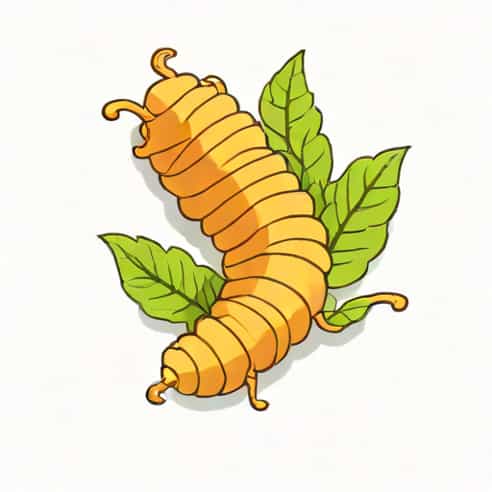
Silkworm pupae are an intriguing product that has been used for centuries in silk production, traditional medicine, and even cuisine. In recent years, more people have started searching for live silkworm pupae for sale because of their diverse uses-from feeding exotic pets to research and sustainable farming. These fascinating larvae represent not just a stage in the silkworm’s life cycle but also a source of economic and ecological value. Understanding where to find them, how they are raised, and what they are used for helps shed light on why they continue to be in high demand around the world.
Understanding What Live Silkworm Pupae Are
Before buying live silkworm pupae, it’s important to understand what they are. Silkworm pupae are the stage between the larva (caterpillar) and adult moth in the life cycle of the silkworm (Bombyx mori). During this stage, the larvae spin cocoons of silk around themselves as they prepare to metamorphose into moths. In commercial silk production, the cocoons are often harvested before the moths emerge, preserving the silk fibers. However, when people buy live pupae, the goal might be different-such as breeding, pet feeding, or biological studies.
The Life Cycle of a Silkworm
The silkworm’s life cycle consists of four main stages egg, larva, pupa, and adult moth. After hatching from the egg, the larva feeds on mulberry leaves until it reaches its full size. It then spins a cocoon around itself to become a pupa. If left undisturbed, the silkworm eventually transforms into a moth and emerges from the cocoon. This transformation makes the pupal stage one of the most critical periods in silk farming and research.
Reasons for Buying Live Silkworm Pupae
There are several reasons why people search for live silkworm pupae for sale. They serve a variety of practical, educational, and even culinary purposes. Below are some of the most common reasons for purchasing them
- Silk ProductionBreeders and small-scale silk producers use live pupae to continue the silkworm’s life cycle and harvest silk sustainably.
- Animal FeedExotic pet owners often use silkworm pupae as a nutritious food source for reptiles, birds, and fish due to their high protein and fat content.
- Scientific ResearchSilkworms are model organisms used in biological and genetic studies, especially in understanding insect development and silk protein synthesis.
- EducationSchools and universities buy live pupae for classroom experiments to teach about metamorphosis and life cycles.
- Food and Traditional MedicineIn some Asian countries, silkworm pupae are consumed as a delicacy or used in traditional remedies for their nutritional value.
Nutritional Value of Silkworm Pupae
One of the major reasons for the popularity of silkworm pupae is their nutritional content. They are rich in protein, amino acids, vitamins, and minerals. The dried form of silkworm pupae can contain up to 60% protein, making them an excellent natural supplement for both humans and animals. In addition, they contain essential fatty acids that are beneficial for skin, growth, and overall health. Because of these nutritional benefits, they are becoming more recognized as a sustainable protein source in the global food industry.
Silkworm Pupae as Human Food
Although some people might find it unusual, silkworm pupae are considered a delicacy in parts of Korea, China, Thailand, and Vietnam. They are boiled, roasted, or fried and are often sold as street food. Known asbeondegiin Korea, they have a nutty, earthy flavor and are rich in nutrients. As the world searches for sustainable protein alternatives, silkworm pupae have attracted growing interest for their potential as an eco-friendly food source.
How to Buy Live Silkworm Pupae
Finding live silkworm pupae for sale can be done through a few reliable sources. They are often available from online insect suppliers, educational biology stores, and local farms that raise silkworms. When buying live pupae, it is essential to ensure they are healthy, alive, and handled properly. Always check that the supplier follows ethical and hygienic breeding practices.
Factors to Consider Before Purchasing
Before purchasing live silkworm pupae, consider the following factors to ensure you get the best quality
- Source ReputationBuy from trusted breeders or suppliers with positive reviews and experience in silkworm farming.
- Shipping ConditionsEnsure that the pupae are shipped in temperature-controlled packaging to prevent damage during transit.
- Purpose of PurchaseDetermine if you are buying for breeding, feeding, or research, as different suppliers may specialize in specific uses.
- Legal RestrictionsSome countries have import regulations on live insects, so always verify if you can legally buy and receive them in your area.
How to Care for Live Silkworm Pupae
Once you receive your live silkworm pupae, it is essential to care for them properly. They should be kept in a cool, dry place away from direct sunlight. Avoid high humidity or damp conditions, as this can lead to mold growth or suffocation. If you intend to allow the pupae to develop into moths, place them in a ventilated container and wait for them to emerge. For pet feeding or research purposes, handle them gently to avoid damaging the cocoons.
Storage and Handling Tips
Proper storage ensures that the pupae remain healthy and viable. Here are a few tips to follow
- Store in a breathable container lined with paper or mesh to prevent condensation.
- Keep the temperature between 18°C and 25°C for optimal pupal health.
- Do not refrigerate live pupae, as this may kill or delay their development.
- Check daily for any signs of mold or decay and remove affected ones immediately.
Environmental and Economic Impact
Silkworm pupae are not only valuable for their silk but also for their role in sustainable agriculture. The use of silkworm pupae reduces waste in silk production because even the by-products can be used as animal feed or fertilizer. Economically, silkworm farming provides livelihood opportunities in rural areas, especially in countries like India, China, and Thailand. The growing interest in using pupae as an alternative protein source also contributes to a more circular economy where every stage of production has value.
Ethical Considerations
While silkworm farming has been practiced for thousands of years, ethical concerns have emerged regarding the treatment of the pupae. In traditional silk harvesting, the pupae are often boiled or steamed alive to preserve the silk threads, which some consider inhumane. As a result, peace silk or Ahimsa silk methods have been developed, allowing the moths to emerge naturally before the cocoons are processed. Those who buy live silkworm pupae should consider the ethical implications of their use and choose suppliers who follow humane practices whenever possible.
The demand for live silkworm pupae for sale reflects their incredible versatility and value in multiple industries. Whether for silk production, research, pet nutrition, or human consumption, silkworm pupae play a unique role in connecting science, sustainability, and tradition. Their nutritional benefits and eco-friendly nature make them a fascinating and valuable resource for the future. As awareness grows about sustainable protein sources and responsible insect farming, live silkworm pupae are likely to remain an important and sought-after product around the world.