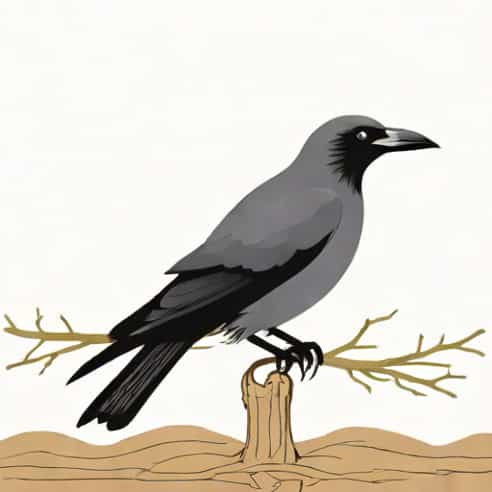
The jackdaw is a small, highly intelligent member of the crow family, known for its distinctive black plumage, silver sheen on the back of its head, and inquisitive behavior. These birds are found across Europe, western Asia, and parts of North Africa, often living in close proximity to human settlements. Jackdaws are social creatures, typically forming large flocks outside the breeding season, and they display remarkable problem-solving abilities that have intrigued ornithologists and bird enthusiasts alike. Understanding the life expectancy of a jackdaw provides insight not only into its natural history but also into the factors that influence survival in the wild and in urban environments.
Overview of Jackdaw Lifespan
Jackdaws generally have a moderate lifespan compared to other members of the corvid family. In the wild, the average life expectancy of a jackdaw is typically around 5 to 7 years. However, under ideal conditions, with access to ample food and minimal threats from predators or human interference, jackdaws can live up to 10 to 15 years. In captivity or controlled environments, where food is consistently available and risks are reduced, some jackdaws have been known to live over 20 years, demonstrating the species’ potential longevity when environmental pressures are minimized.
Factors Affecting Jackdaw Longevity
Several key factors influence the life expectancy of jackdaws. Predation, availability of food, disease, environmental conditions, and human activity all play significant roles in determining how long an individual bird survives. Juvenile mortality is particularly high; many young jackdaws do not survive their first year due to predation by raptors, starvation, or harsh weather conditions. Those that survive this critical period often enjoy increased chances of reaching the typical adult lifespan.
Predation and Natural Threats
Jackdaws face predation from larger birds of prey, such as hawks and owls, as well as terrestrial predators like foxes and domestic cats. Nesting sites are particularly vulnerable, and eggs or fledglings may be targeted by crows or magpies. These natural threats significantly influence the survival rate of juvenile jackdaws, which in turn affects the average lifespan observed in wild populations. Adult jackdaws, being larger and more experienced, are better equipped to avoid predation, but they are not completely safe from opportunistic predators.
Impact of Habitat on Jackdaw Lifespan
The type of habitat a jackdaw occupies can greatly influence its life expectancy. In rural and forested areas, jackdaws may benefit from abundant natural food sources, such as insects, seeds, and small invertebrates. However, they may also face higher predation rates from natural predators. Urban jackdaws, by contrast, often have access to reliable food sources from human waste, gardens, and bird feeders, but they are exposed to risks such as traffic, pollution, and disturbances from human activity. Both habitats present unique challenges and benefits that can either shorten or extend a jackdaw’s life.
Urban vs. Rural Life
Urban environments provide plentiful scavenging opportunities, which can help jackdaws maintain better nutrition and avoid starvation. They may also find safe nesting sites in buildings and other structures, reducing the risk of natural predation. However, urban living introduces hazards such as collisions with vehicles, exposure to toxic substances, and conflicts with humans. Rural jackdaws, while facing fewer anthropogenic threats, must contend with seasonal fluctuations in food availability and a higher prevalence of natural predators. These contrasting factors create varying life expectancies depending on the environment in which a jackdaw lives.
Reproductive Behavior and Its Role in Longevity
Reproduction and social behavior also influence the lifespan of jackdaws. These birds are monogamous and form long-term pair bonds, which can enhance survival through cooperative behaviors such as nest defense and mutual feeding. Jackdaws typically reach sexual maturity at around two years of age, and successful breeding can indicate a healthy, well-adapted individual. By contributing to the next generation, healthy jackdaws demonstrate the ability to navigate environmental pressures effectively, indirectly influencing their longevity by maintaining strong social structures and access to resources.
Social Structures and Flock Behavior
Jackdaws are highly social birds, often forming large flocks that provide protection from predators and facilitate communal roosting. This social behavior can increase individual survival rates, as members of a flock can alert each other to danger, share information about food sources, and defend against threats more effectively than solitary birds. Flock living contributes to the overall life expectancy of jackdaws by offering safety in numbers and reinforcing social bonds that support both individual and group survival.
Health, Disease, and Human Interaction
The health of a jackdaw, including susceptibility to disease, parasites, and injury, directly impacts lifespan. Wild jackdaws can suffer from illnesses such as avian pox, trichomoniasis, and parasitic infections, which can reduce life expectancy. In urban areas, exposure to pollutants and contaminated food sources can also pose health risks. Conversely, jackdaws that come into contact with humans in rehabilitation or controlled environments may receive veterinary care, food supplementation, and protection from predators, significantly increasing their chances of a longer life.
Conservation and Protection Efforts
While jackdaws are not currently considered endangered, conservation efforts can influence population stability and lifespan trends. Protecting nesting sites, regulating pesticide use, and promoting awareness of wildlife-friendly urban planning all help to create environments that support longer, healthier lives for these birds. Understanding the factors that affect jackdaw survival allows conservationists and bird enthusiasts to take actions that mitigate risks and encourage sustainable populations in both urban and rural settings.
Observations from Studies and Birdwatching
Research and birdwatching observations provide valuable insights into the life expectancy of jackdaws. Banding and long-term monitoring projects have shown that jackdaws can live well over a decade in favorable conditions. Anecdotal evidence from wildlife rehabilitators and urban bird enthusiasts also supports the notion that protected jackdaws in controlled or semi-controlled environments enjoy significantly longer lifespans than their wild counterparts. These findings highlight the adaptability of the species and the importance of environmental context in determining longevity.
Summary of Key Findings
- Average life expectancy in the wild 5 to 7 years
- Potential lifespan in ideal conditions 10 to 15 years
- Maximum recorded lifespan in captivity over 20 years
- Main threats predation, disease, harsh environmental conditions, and human-related hazards
- Social behavior and flocking increase survival rates
- Urban and rural environments offer different advantages and challenges affecting longevity
The life expectancy of a jackdaw is influenced by a combination of natural, environmental, and social factors. While the average lifespan in the wild ranges from five to seven years, conditions such as abundant food, safety from predators, and social cooperation can extend their lives significantly. Jackdaws exhibit remarkable adaptability, thriving in both rural and urban settings, and their social nature contributes to their survival. By understanding the factors that affect jackdaw longevity, researchers, conservationists, and bird enthusiasts can better support healthy populations, ensuring that these intelligent, charismatic birds continue to flourish for generations to come.