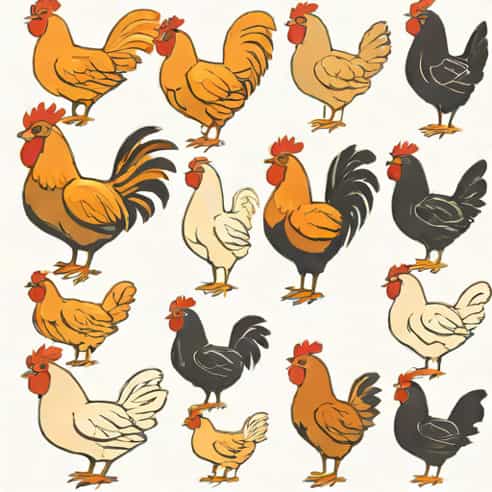
Choosing the right chicken breed is essential for both beginner and experienced poultry keepers, especially if you are looking for birds that are calm, easy to manage, and less prone to flightiness. Least flighty chicken breeds are ideal for backyard flocks, family farms, or urban coops where handling and interaction are frequent. These breeds are generally more docile, less likely to panic or injure themselves, and easier to train or integrate with other chickens. Understanding which breeds exhibit calm behavior helps poultry owners create a safe and stress-free environment for both the birds and the caretakers.
What Makes a Chicken Flighty?
Flighty chickens are often nervous, easily startled, and prone to running or flying away when approached. Factors influencing flightiness include genetics, socialization, and environment. Chickens with high-strung temperaments may require more space and careful handling, making them less suitable for families or confined backyards. Conversely, least flighty breeds tend to be calm, friendly, and responsive to human interaction, which makes them ideal for egg production, pet keeping, or show purposes.
Traits of Least Flighty Chickens
When looking for less flighty chicken breeds, several traits are common
- Calm and docile temperament
- Willingness to be handled and socialized
- Minimal tendency to panic or fly
- Compatibility with other birds in mixed flocks
- Good foragers without excessive wandering
Breeds that exhibit these characteristics are generally more manageable and less stressful for caretakers.
Popular Least Flighty Chicken Breeds
Several chicken breeds are well-known for their calm and friendly demeanor, making them perfect choices for backyard flocks. Each breed has unique features, but all are noted for being less prone to flightiness.
Brahma
Brahmas are large, gentle chickens often referred to as gentle giants. They are friendly, slow-moving, and rarely startled, which makes them ideal for families and novice keepers. Brahmas also lay a steady supply of brown eggs and are hardy in cold weather, adding to their popularity as dual-purpose birds.
Orpington
Orpingtons are another favorite for calm behavior. They are affectionate, tolerant of handling, and good with children. Their fluffy plumage gives them a soft, approachable appearance, and they are consistent layers of medium to large brown eggs. Orpingtons are excellent foragers and can adapt well to various climates.
Cochin
Cochins are known for their feathered legs and full plumage. They are particularly gentle, patient, and slow-moving, making them one of the least flighty breeds. Cochins are also broody, which can be a benefit for those looking to hatch chicks naturally. Their calm nature makes them great companions for mixed flocks and backyard settings.
Wyandotte
Wyandottes are friendly and calm, often described as easy-going. They have a hardy constitution, attractive laced feathers, and produce brown eggs reliably. Wyandottes are tolerant of handling and adapt well to both small and large flocks. Their calm demeanor makes them a solid choice for families or urban chicken keepers.
Silkie
Silkies are small, fluffy chickens that are extremely calm and friendly. Known for their unique appearance and gentle nature, Silkies are excellent for children and beginner poultry keepers. They are broody and protective mothers, which adds to their charm. Silkies rarely fly and are easy to manage in confined spaces.
Why Choosing Least Flighty Breeds Matters
Selecting less flighty chicken breeds has several practical advantages. Calm chickens are easier to handle for health checks, vaccinations, and routine care. They are less likely to injure themselves or others when startled, reducing stress in the flock. Additionally, flighty birds may escape from enclosures more often, leading to increased risk of predation or loss, whereas calmer breeds remain safely within their designated areas.
Compatibility with Mixed Flocks
Least flighty breeds also tend to integrate better into mixed flocks. High-strung birds can disrupt social hierarchies, create tension, and even provoke aggressive behavior. Calm breeds maintain a more peaceful environment, allowing for smoother interactions and reducing conflicts among chickens.
Tips for Managing Less Flighty Chickens
Even calm breeds benefit from proper care and handling to maintain their relaxed demeanor. Here are some practical tips
- Provide a secure and spacious coop with safe roaming areas.
- Socialize chickens from a young age through gentle handling and interaction.
- Maintain a consistent routine to minimize stress.
- Provide enrichment such as dust baths, perches, and foraging opportunities.
- Monitor flock dynamics and separate aggressive or overly dominant birds if needed.
Following these practices ensures that even the calmest breeds remain content, healthy, and easy to manage.
Common Misconceptions About Flightiness
Many people assume that flighty chickens are bad or difficult to keep, but behavior often depends on environment and handling. Stress, overcrowding, and lack of socialization can make otherwise calm breeds skittish. Conversely, least flighty breeds benefit from patience, consistency, and proper care. Understanding these nuances helps poultry keepers select the right breeds and maintain a harmonious flock.
Influence of Genetics vs. Environment
Genetics play a significant role in determining temperament, but environment also matters. Calm breeds are naturally predisposed to docility, yet poor conditions can still provoke stress and flighty behavior. By combining appropriate breed selection with proper husbandry, chicken owners can maximize the likelihood of maintaining a peaceful and manageable flock.
Benefits Beyond Temperament
Least flighty chicken breeds offer advantages beyond ease of handling. Many of these breeds are hardy, productive layers, and good foragers. Their calm nature makes them suitable for educational settings, petting farms, and urban backyards where children interact with chickens. These breeds are also more predictable in behavior, which simplifies flock management and reduces the risk of accidents or escapes.
Choosing the least flighty chicken breeds is a smart strategy for anyone looking to raise a calm, manageable, and productive flock. Breeds such as Brahmas, Orpingtons, Cochins, Wyandottes, and Silkies combine friendly temperament with reliability and adaptability. By understanding the traits of these breeds and providing proper care, poultry keepers can enjoy a harmonious flock that is easy to handle, safe, and enjoyable to interact with. For beginners and experienced keepers alike, selecting calm chicken breeds enhances the overall experience of raising chickens, making it both rewarding and stress-free.