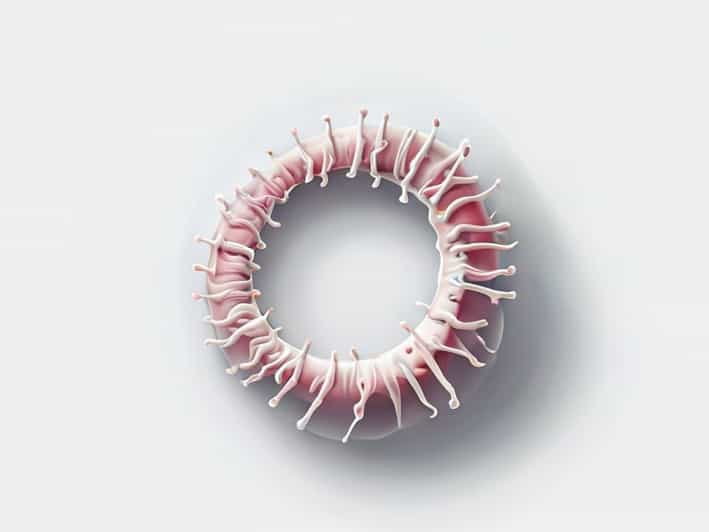
Understanding the structure of the respiratory system is crucial for students, medical professionals, and anyone interested in human anatomy. Two components often highlighted in respiratory studies are ciliated cells and cartilaginous rings. These elements play essential roles in maintaining airway health and proper lung function. When learning about the trachea or bronchi, it is common to encounter diagrams where students are asked to label the ciliated cells and cartilaginous rings. Knowing how to identify and explain these structures helps deepen understanding of the respiratory system and its protective mechanisms.
What Are Ciliated Cells?
Ciliated cells, also called ciliated epithelial cells, are specialized cells lining the respiratory tract, including the trachea and bronchi. They are characterized by the presence of tiny hair-like projections called cilia on their surface. These cilia move rhythmically to perform a vital function in the respiratory system.
The main role of ciliated cells is to trap and move mucus, along with any dust, pathogens, or foreign ptopics, out of the airways. This process is known as the mucociliary escalator and is essential for keeping the lungs clean and preventing infections.
Structure of Ciliated Cells
Ciliated cells are part of the pseudostratified columnar epithelium that lines much of the upper respiratory tract. Each cell has numerous cilia, which beat in coordinated waves to move mucus upward toward the throat, where it can be swallowed or expelled. Beneath the cilia are basal bodies that anchor the cilia and provide energy for movement.
Function in Respiratory Health
Ciliated cells play a critical role in protecting the lungs. By moving mucus and trapped ptopics, they reduce the risk of respiratory infections caused by bacteria, viruses, and other pollutants. Conditions that damage ciliated cells, such as smoking or certain genetic disorders like primary ciliary dyskinesia, can lead to chronic respiratory problems.
Identifying Ciliated Cells in Diagrams
When labeling a diagram of the respiratory tract, ciliated cells are usually depicted lining the inner surface of the trachea or bronchi. They appear as column-shaped cells with hair-like extensions pointing into the airway lumen. Students should look for these characteristics when asked to identify ciliated cells in histological or anatomical illustrations.
Tips for Labeling
- Focus on the epithelial lining of the airway.
- Identify the tiny projections (cilia) on the surface of the cells.
- Note that ciliated cells are often interspersed with goblet cells, which secrete mucus.
What Are Cartilaginous Rings?
Cartilaginous rings are C-shaped structures made of hyaline cartilage that provide support to the trachea and larger bronchi. They are visible in anatomical diagrams and are often labeled along with ciliated cells in educational materials.
The primary function of cartilaginous rings is to prevent the airway from collapsing during inhalation and exhalation. By maintaining a patent airway, these rings ensure that air can flow freely into and out of the lungs.
Structure of Cartilaginous Rings
Each cartilaginous ring is incomplete posteriorly, allowing flexibility and accommodation for the esophagus as food passes. The open part of the C-shaped ring faces the esophagus, while the solid part provides structural support. This design balances rigidity with flexibility, which is essential for normal breathing and swallowing.
Function in Respiratory Mechanics
Cartilaginous rings act as scaffolding for the trachea and larger bronchi. They prevent airway collapse, especially during forced exhalation or coughing. Their rigidity ensures that the airway remains open even under negative pressure, allowing efficient gas exchange in the lungs.
Identifying Cartilaginous Rings in Diagrams
When labeling anatomical illustrations, cartilaginous rings are often depicted as curved or semi-circular structures surrounding the outer portion of the trachea. They are usually thicker than the surrounding soft tissue and maintain the shape of the airway. Recognizing these rings is essential for understanding airway anatomy and the structural support of the respiratory system.
Tips for Labeling
- Look for C-shaped structures along the trachea or bronchi.
- Notice that the open side of the C faces the posterior, toward the esophagus.
- Understand their role in keeping the airway open.
Relationship Between Ciliated Cells and Cartilaginous Rings
While ciliated cells and cartilaginous rings have distinct functions, they work together to support respiratory health. Ciliated cells line the lumen and protect the lungs by moving mucus and trapped ptopics out of the airway. Cartilaginous rings provide the necessary structural support to ensure that this process can occur without airway collapse.
In educational diagrams, understanding the relationship between these two structures helps students appreciate both the functional and mechanical aspects of the trachea and bronchi. Labeling both correctly reinforces knowledge of airway anatomy and physiology.
Importance in Medical Education
Learning to label ciliated cells and cartilaginous rings is a common exercise in anatomy and physiology courses. It helps students understand the interplay between cellular function and structural support in the respiratory system. Proper labeling demonstrates comprehension of both microscopic and macroscopic aspects of airway anatomy.
Common Mistakes When Labeling
Students often confuse ciliated cells with other epithelial cells or forget to identify the orientation of cartilaginous rings. Key points to remember include
- Ciliated cells are part of the epithelial lining and have tiny hair-like projections.
- Cartilaginous rings are semi-rigid structures surrounding the trachea and bronchi, visible in anatomical diagrams.
- Orientation matters the open side of the C-shaped rings faces posteriorly.
Being mindful of these features can improve accuracy when labeling diagrams or identifying structures in histological slides.
Applications Beyond the Classroom
Understanding ciliated cells and cartilaginous rings is not just important for exams. Knowledge of these structures is essential in medical fields such as respiratory therapy, pulmonology, and otolaryngology. For example, damage to ciliated cells can indicate chronic bronchitis or other respiratory conditions, while abnormalities in cartilaginous rings can lead to tracheomalacia, a condition where the trachea collapses.
Recognizing these structures also aids in interpreting imaging studies, understanding airway surgeries, and applying treatments that depend on airway integrity and function.
Labeling ciliated cells and cartilaginous rings is a foundational skill in respiratory anatomy. Ciliated cells line the airway and facilitate the movement of mucus to protect the lungs, while cartilaginous rings provide structural support to maintain an open airway. Both are essential for normal respiratory function, and understanding their location and role enhances comprehension of human airway physiology. Whether for classroom learning, medical practice, or general knowledge, recognizing these structures helps explain how the respiratory system maintains clear airways and ensures efficient breathing.