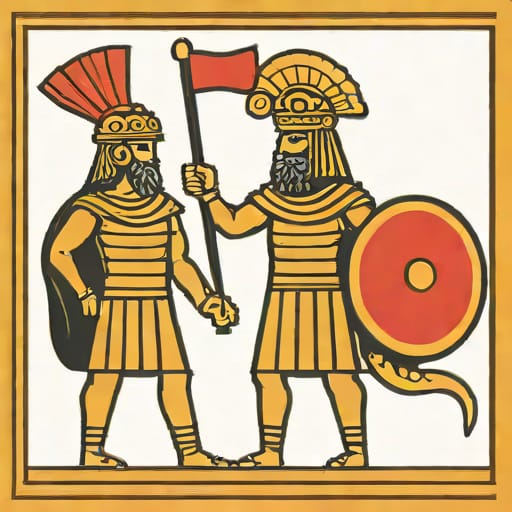
The king of Mycenae during the Trojan War holds a prominent place in Greek mythology and ancient history. This ruler, known for his leadership, courage, and strategic mind, was central to one of the most famous conflicts in Western literature-the Trojan War. His decisions, alliances, and personal qualities shaped the course of events that were immortalized in Homer’s epic poems, particularly the Iliad. Understanding the king of Mycenae during this period provides insight into the political, social, and cultural dynamics of ancient Greece, as well as the heroic ideals celebrated by Greek society. His story intertwines mythology, history, and legend, offering a rich tapestry of heroism, duty, and the complexities of leadership during wartime.
Origins of the King of Mycenae
The king of Mycenae during the Trojan War is often identified as Agamemnon, a powerful figure in Greek mythology. Agamemnon was the son of King Atreus and Queen Aerope, making him part of the royal House of Atreus, a dynasty notorious for family conflicts, curses, and power struggles. From an early age, Agamemnon was groomed to lead and was exposed to the challenges of ruling a kingdom with both military and political responsibilities. His upbringing, marked by rivalry and ambition, prepared him for the complex role he would play as a commander of Greek forces in the Trojan War.
Family and Lineage
The House of Atreus was infamous in Greek mythology for its cycles of revenge and tragedy. Agamemnon’s brother, Menelaus, would later become king of Sparta, and his family connections were central to the formation of alliances that ultimately led to the Greek expedition to Troy. Agamemnon’s lineage emphasized the importance of familial duty and honor, and his position as king required balancing personal ambition with the responsibilities owed to his people and allies. These early familial influences shaped his leadership style and his approach to the challenges of war.
Role in the Trojan War
Agamemnon’s most famous role was as the commander-in-chief of the Greek forces during the Trojan War. When Paris of Troy abducted Helen, the wife of Menelaus, Agamemnon took responsibility for leading a coalition of Greek city-states to retrieve her and punish Troy. This expedition brought together heroes such as Achilles, Odysseus, Ajax, and Nestor, all of whom played crucial roles in the legendary conflict. Agamemnon’s leadership was marked by both strategic planning and moments of personal conflict, reflecting the dual pressures of war and human emotion.
Leadership and Strategy
As king of Mycenae, Agamemnon demonstrated strategic thinking and organizational skill. He coordinated a massive fleet and army, managing logistics, supplies, and alliances among Greek leaders with strong personalities and competing egos. His role required diplomatic skill as well as martial prowess, balancing the demands of war with maintaining cohesion among his troops. Despite occasional disputes, particularly with Achilles over honor and recognition, Agamemnon’s leadership was instrumental in sustaining the Greek effort against the well-fortified city of Troy.
Conflicts and Controversies
Agamemnon’s reign during the Trojan War was not without controversy. He was often portrayed as proud and stubborn, characteristics that caused friction with other Greek leaders. One of the most famous disputes was with Achilles, who withdrew from battle after feeling insulted by Agamemnon. This conflict highlighted the challenges of leadership in a coalition army and the importance placed on personal honor in Greek heroic culture. Agamemnon’s decisions were scrutinized by both his peers and later storytellers, illustrating the complexities of his character and the moral ambiguities of war.
Interactions with the Gods
In Greek mythology, human rulers often interacted with gods who influenced their actions and fates. Agamemnon’s story is intertwined with divine intervention, with gods like Athena, Apollo, and Hera playing roles in the war’s outcomes. These interactions underscore the belief in divine influence over human affairs and highlight the king’s role as both a political and religious figure. His actions were not only judged by men but also by the gods, adding another layer of responsibility and accountability to his leadership.
Impact on Mycenae
Agamemnon’s role as king during the Trojan War had lasting consequences for Mycenae. His leadership in the war elevated the city’s status among Greek polities and established Mycenae as a central hub of military power. The wealth and resources mobilized for the war reflected the city’s prosperity and the king’s ability to command loyalty from his subjects. However, the war also brought costs, including loss of life and internal political tensions, illustrating the dual impact of wartime leadership on a kingdom.
Return and Legacy
After the fall of Troy, Agamemnon’s return to Mycenae was fraught with tragedy. According to myth, his wife, Clytemnestra, and her lover, Aegisthus, murdered him upon his return, seeking revenge for sacrifices he had made and perceived injustices. This ending reflects the recurring themes of fate, vengeance, and the fragility of human life in Greek mythology. Despite his violent death, Agamemnon’s legacy endured through epic poetry, inspiring countless stories of heroism, leadership, and moral complexity.
Representation in Literature
Agamemnon’s story has been preserved and retold in numerous literary works. Homer’s Iliad provides the most detailed account of his role in the Trojan War, focusing on his interactions with other heroes and his complex personality. Later playwrights, such as Aeschylus in the Oresteia trilogy, explored his life, death, and the consequences of his actions, emphasizing themes of justice, revenge, and fate. These literary portrayals highlight the enduring fascination with the king of Mycenae and his place in cultural memory.
Lessons from the King of Mycenae
The story of the king of Mycenae during the Trojan War offers lessons in leadership, strategy, and the human cost of conflict. His life illustrates the balance between personal ambition and collective responsibility, the challenges of managing alliances, and the consequences of pride and hubris. By studying Agamemnon, readers gain insight into ancient Greek values, the role of mythology in shaping cultural identity, and the timeless complexities of power and human relationships.
The king of Mycenae during the Trojan War, commonly identified as Agamemnon, represents a figure of great historical and mythological significance. His leadership, strategic skill, and personal flaws made him central to one of the most famous wars in literature. From his origins in the House of Atreus to his tragic death, Agamemnon’s story reflects the interplay of human ambition, divine influence, and the moral complexities of leadership. Through his tale, we gain a deeper understanding of Mycenaean society, the heroic ideals of ancient Greece, and the enduring power of myth to illuminate human experience. The king of Mycenae remains an iconic figure whose life and legacy continue to capture the imagination of scholars, storytellers, and the general public alike.