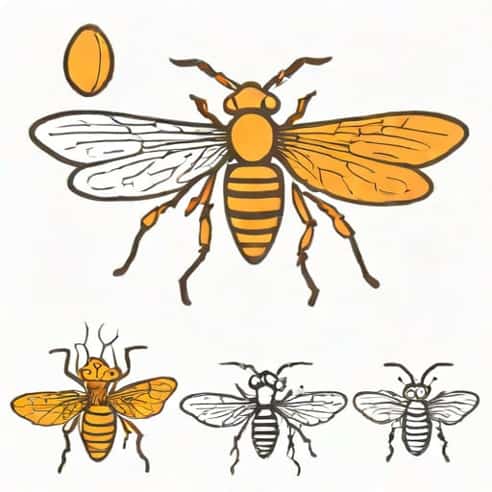
When a person experiences a bite from an Anopheles mosquito, the reaction can range from mild irritation to serious health implications. Anopheles mosquitoes are widely known for their role as vectors of malaria, one of the most dangerous infectious diseases globally. The immediate physical effects of the bite are often underestimated, yet understanding the symptoms and reactions is important for both prevention and treatment. These mosquitoes are primarily active during nighttime hours, making people more vulnerable during sleep, and their bites can leave a lasting impression on the skin and overall health. Awareness of the signs and proper response to Anopheles mosquito bites can help mitigate discomfort and reduce the risk of malaria transmission.
Identifying Anopheles Mosquito Bites
The bites of Anopheles mosquitoes often appear similar to those of other mosquito species, but there are subtle differences. Typically, the bite site develops a small, raised bump that is red and itchy. Unlike other mosquito bites that can appear anywhere, Anopheles mosquitoes tend to bite exposed areas of the skin such as arms, legs, and the face. The itching is caused by the mosquito’s saliva, which contains proteins that prevent blood clotting during feeding. Recognizing these bites early can help individuals monitor for additional symptoms related to mosquito-borne diseases.
Immediate Physical Reactions
After an Anopheles mosquito bite, the body’s immune system responds to the foreign proteins introduced by the mosquito. Common reactions include
- Redness and swelling around the bite area
- Itching or a tingling sensation that can persist for several hours
- Minor pain or irritation if scratched excessively
- Formation of small blisters in sensitive individuals
These reactions are usually mild and subside within a day or two. However, scratching the bite excessively can lead to secondary infections and prolonged discomfort.
Delayed Reactions and Allergic Responses
Some people may experience delayed reactions to Anopheles mosquito bites, which can appear several hours to a day after the bite. In certain individuals, allergic responses may occur, including larger swelling, intense itching, or hives. While rare, severe allergic reactions can manifest as difficulty breathing or dizziness, requiring immediate medical attention. Understanding these potential reactions helps in managing bites more effectively and knowing when to seek professional help.
Systemic Effects Related to Malaria
Unlike typical mosquito bites that cause only localized irritation, Anopheles mosquitoes are capable of transmitting Plasmodium parasites, which cause malaria. Symptoms of malaria may take days or weeks to develop after a bite and can include
- Fever and chills
- Fatigue and weakness
- Headache and muscle aches
- Nausea or vomiting
- In severe cases, anemia or organ complications
It is crucial to monitor for these systemic symptoms after being bitten in regions where malaria is prevalent. Early diagnosis and treatment significantly reduce the severity of the disease.
Preventing Anopheles Mosquito Bites
Prevention is the most effective way to avoid the discomfort and potential dangers associated with Anopheles mosquito bites. Several strategies can help reduce exposure
Use of Mosquito Repellents
Applying insect repellents containing DEET, picaridin, or oil of lemon eucalyptus to exposed skin provides effective protection. These repellents interfere with the mosquito’s ability to locate and bite humans.
Protective Clothing
Wearing long sleeves, pants, and socks, especially during peak mosquito activity times at dusk and nighttime, reduces the risk of being bitten. Light-colored clothing is also less attractive to mosquitoes compared to dark clothing.
Environmental Controls
Eliminating standing water around living areas reduces mosquito breeding sites. Using bed nets treated with insecticide while sleeping is particularly important in malaria-endemic regions. Proper screens on windows and doors can also prevent mosquitoes from entering living spaces.
Managing Bite Symptoms
If bitten by an Anopheles mosquito, several steps can be taken to alleviate discomfort and prevent complications
Immediate Relief
- Wash the bite area with soap and water to reduce infection risk
- Apply ice or a cold compress to minimize swelling and itching
- Use anti-itch creams or antihistamines to relieve irritation
Avoid Scratching
Scratching can break the skin, leading to infection. Keeping nails short and using soothing treatments helps manage the urge to scratch.
Monitoring for Symptoms
After being bitten, especially in malaria-prone regions, it is important to monitor for systemic symptoms such as fever, chills, or fatigue. Prompt medical consultation and testing can ensure timely treatment if malaria is contracted.
Long-Term Implications
Repeated bites from Anopheles mosquitoes can lead to persistent discomfort and increase the risk of malaria in endemic areas. Education on mosquito bite prevention, early detection of symptoms, and access to medical care are critical for communities in these regions. Public health initiatives often focus on distributing bed nets, insecticides, and providing awareness campaigns to reduce mosquito-borne diseases.
Community and Public Health Considerations
Effective management of Anopheles mosquitoes requires community participation. Removing breeding grounds, maintaining clean environments, and participating in vector control programs help minimize exposure for everyone. Governments and health organizations play a crucial role in implementing large-scale measures to reduce mosquito populations and control the spread of malaria.
The experience of a bite from an Anopheles mosquito involves both immediate physical reactions and potential long-term health risks. Understanding the signs, symptoms, and prevention strategies is essential for managing personal discomfort and reducing the risk of malaria transmission. By taking protective measures such as using repellents, wearing appropriate clothing, and controlling the environment, individuals can minimize their exposure to these mosquitoes. Awareness and proactive management not only alleviate the irritation caused by bites but also contribute to broader public health efforts to combat mosquito-borne diseases. In regions where Anopheles mosquitoes are prevalent, knowledge about their bites and the risks associated with them is a vital component of personal and community health.