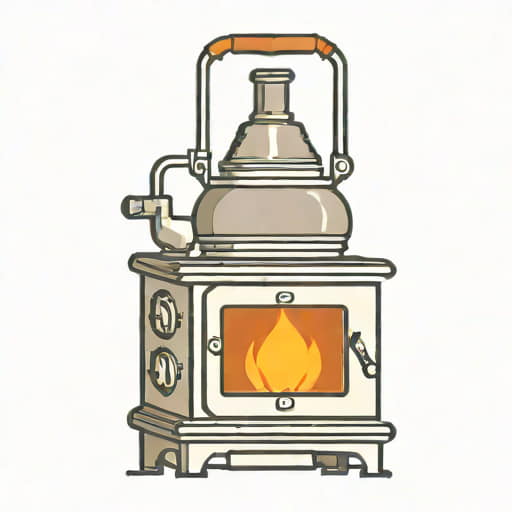
A kerosene stove is a familiar household item in many parts of the world, especially in places where electricity or gas supply may not always be reliable. People often ask whether a kerosene stove is transparent, translucent, or opaque. The answer may seem simple at first, but it becomes more interesting when you consider the different parts of the stove and the materials used in its construction. Understanding these characteristics can help users operate the appliance safely, monitor fuel levels, and maintain the stove for long-term use. This topic explores the visual properties of kerosene stoves in detail while keeping the explanation practical and easy to understand.
Understanding Transparency in Everyday Objects
Before determining whether a kerosene stove is transparent or translucent, it helps to clarify what these terms mean. Many household items fall into one of these categories depending on how much light they let through. This is not about whether you can see clearly through an object but rather the degree to which light passes through it.
What Makes an Object Transparent?
An object is considered transparent when you can see through it clearly. Common examples include glass windows, clear plastic bottles, or drinking glasses. Transparent materials allow most of the light to pass through without significant scattering, which is why you can see objects behind or inside them.
What Makes an Object Translucent?
A translucent object allows some light to pass through, but not enough to form a clear image. You may see blurred shapes or shades instead of distinct details. Frosted glass, thin fabrics, and certain plastics fall into this category. Translucent materials scatter the light passing through them, making visibility limited but not fully blocked.
Opaque Objects in Daily Life
An opaque object does not allow light to pass through at all. Wood, metal, and thick plastic are common examples. When light cannot pass through a material, you cannot see through it, regardless of how brightly it is illuminated.
Is a Kerosene Stove Transparent or Translucent?
In most cases, a kerosene stove is neither transparent nor translucent. It is typically opaque. The body of a kerosene stove is usually made of metal or thick plastic. These materials block light completely, preventing you from seeing the inner mechanisms or fuel tank through the surface. This opacity is intentional, as stoves must be heat-resistant, durable, and safe to use in varying conditions.
However, there is an important exception. Some kerosene stoves are designed with a translucent or semi-transparent fuel tank. This design allows users to monitor the fuel level without opening the container. Such stoves blend practical functionality with safety considerations.
Why Some Kerosene Stove Tanks Are Translucent
The semi-transparent tank is a common feature in certain stove models, especially portable ones. These tanks are often made from high-strength, heat-resistant plastic that allows just enough light to pass through so the fuel level becomes visible. While you cannot see through the tank clearly like a glass bottle, you can still observe the remaining kerosene as a dark or slightly tinted shape.
Advantages of a Translucent Fuel Tank
- Fuel MonitoringUsers can easily check whether the fuel is running low.
- SafetyPrevents overfilling, reducing the risk of spills or fire hazards.
- ConvenienceEliminates the need to open the tank or insert measuring tools.
These benefits explain why manufacturers sometimes choose a translucent material instead of a completely opaque one for the tank.
The Body of the Kerosene Stove Mostly Opaque
While the tank on some models may be translucent, the main structure of the kerosene stove remains opaque. This includes parts like
- The burner assembly
- The metal frame
- The wind shield or flame guard
- The wick adjuster
These components require strong, heat-resistant materials to withstand high temperatures and prolonged use. Metals such as steel or aluminum are common choices. Some stoves include protective coverings made of thick plastic or coated metal, which further reinforces their opacity.
Why Transparency Is Not Common in Stove Construction
Complete transparency is rare in any cooking appliance because transparent materials like glass or clear plastic are usually not suitable for direct heat exposure. They can crack, melt, or discolor over time. For safety reasons, manufacturers avoid transparent materials in areas exposed to flames, pressure, or heat.
Translucent materials are sometimes used in non-heated parts, such as fuel containers, but even then, they must be strong and resistant to chemical reactions with kerosene. Choosing the right materials is essential to ensure the stove performs well while keeping users safe.
How Material Choice Affects Stove Durability
The decision to use opaque materials for most kerosene stove components helps extend the life of the appliance. Metal parts do not degrade quickly under heat or pressure. They also provide stability and protection for the internal workings of the stove.
Benefits of Using Opaque Materials
- StrengthProvides a sturdy structure that supports the burner and tank.
- Heat ResistanceWithstands high temperatures safely.
- LongevityMore durable than transparent materials like glass.
These advantages highlight why opacity is not a flaw but an intentional and practical design choice.
Kerosene Stove Design and User Experience
Whether a stove uses translucent or opaque materials, the design always prioritizes function. Users rely on kerosene stoves for everything from everyday cooking to emergency preparedness. Factors such as portability, fuel economy, and ease of use matter more than whether the stove is transparent.
How Users Benefit from Smart Material Choices
A well-designed kerosene stove offers
- Efficient combustion
- Stable heat output
- Safe operation
- Easy maintenance
These features make kerosene stoves dependable appliances in various environments.
A kerosene stove is generally an opaque appliance due to its metal and heat-resistant plastic components. However, some models incorporate a translucent fuel tank to help users see the kerosene level easily. This combination of materials supports safety, durability, and convenience. Understanding these characteristics can help users operate their stoves more effectively while appreciating the thoughtful design behind everyday tools. Whether opaque or partially translucent, the kerosene stove remains a reliable and practical choice for people around the world.