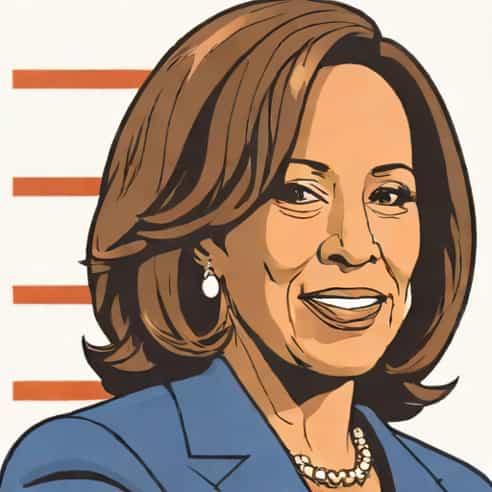
Kamala Harris serves as vice president of the United States, a position that places her at the center of national decision-making and political leadership. Her role is historically significant, not only because of the responsibilities she holds, but also because she represents a number of firsts in American politics. Many people around the world recognize her name, yet understanding her influence requires looking at her background, policy priorities, and the work she carries out from the executive branch. Her journey from state prosecutor to vice president shapes the way she approaches leadership, communication, and public policy, making her one of the most notable figures of this era.
Early Life and Education
Kamala Harris was born in California and raised in a multicultural family, an experience that greatly influenced her worldview. Her parents were active in research and community advocacy, and their values helped shape her interests in justice, equality, and public service. Growing up, Harris saw how social issues affected everyday lives, and this awareness later fueled her dedication to public leadership.
She went on to study at Howard University, a historically Black institution known for producing leaders in many fields. Afterward, she attended law school, laying the foundation for a career built on legal work and public service. From early on, she demonstrated a combination of ambition and commitment to justice, traits that later defined her political presence.
Career in Law and Public Service
Before becoming vice president, Kamala Harris built her reputation in the legal field. She worked as a prosecutor, served as district attorney, and later became attorney general of California. These positions placed her in charge of cases, policies, and reforms affecting millions of people.
- District Attorney of San Francisco
- Attorney General of California
- United States Senator representing California
During these years, she focused on criminal justice policies, public safety programs, and consumer protection. Her time as attorney general positioned her as a national figure with experience managing large-scale legal departments and statewide initiatives. This background later influenced her approach to federal policymaking.
From U.S. Senate to Vice Presidency
Kamala Harris served in the United States Senate before becoming vice president, representing California at the national level. In the Senate, she participated in hearings, legislation, and debates on issues such as healthcare, immigration, and environmental policy. Her questioning style during hearings gained attention, highlighting her skills in legal reasoning and public communication.
Her selection as vice president followed a long political journey. She became the running mate in the 2020 presidential election and later took office alongside the president. Her election made history, marking a new chapter in American representation.
Historic Significance of Her Vice Presidency
Kamala Harris is the first woman to serve as vice president of the United States, as well as the first Black and South Asian American to hold the office. These milestones carry symbolic and practical meaning. Her presence in leadership reflects social change, broader representation, and a shift in political perception. Many people see her rise as a sign of increasing diversity in government.
A Role Shaped by History and Expectation
Being vice president involves ceremonial duties, legislative roles, and executive responsibilities. For Harris, expectations also include representing new voices in government. Her position inspires many young people who see themselves reflected in her story. This combination of role and representation makes her vice presidency especially notable.
Responsibilities in Office
The vice president works alongside the president to implement policy, negotiate legislation, and represent the United States at events and diplomatic gatherings. Kamala Harris participates in strategy discussions, advisement, and domestic programs. The office also requires work with Congress, especially when casting tie-breaking votes in the Senate.
- Advising the president on policy decisions
- Representing the administration in public and diplomatic events
- Supporting legislative efforts and assisting with negotiations
- Managing specific initiatives assigned by the executive branch
- Engaging with communities and stakeholders across the country
These responsibilities make the vice presidency an active role rather than a symbolic one. Harris continues to participate in both domestic and international work, reflecting the broad scope of her position.
Policy Interests and Key Focus Areas
Kamala Harris has expressed strong interest in issues such as economic opportunity, voting rights, and social equity. Her work often includes outreach to communities, business leaders, and policymakers. She supports programs intended to expand access to education, promote small business growth, and address challenges facing families.
In addition, she engages in discussions about climate policy, technology, and innovation. Her leadership in certain policy areas aligns with her background in law and advocacy, continuing themes from earlier stages of her career.
Vice President Kamala Harris in Public Perception
Public response to her vice presidency is diverse, shaped by political views, media coverage, and personal expectations. Some view her as a groundbreaking figure who represents progress in American government. Others evaluate her work through the lens of policy outcomes and political decision-making.
Regardless of individual opinion, her presence in national conversation is undeniable. She remains one of the most discussed leaders in modern U.S. politics, with ongoing influence in both domestic and international matters.
Leadership Style and Communication
Kamala Harris is known for her direct communication style and ability to connect with audiences. Whether speaking at formal events or engaging in community discussions, she often highlights personal stories to emphasize policy impact. Her style combines legal reasoning with personal narrative, creating a blend of technical and relatable communication.
This approach is visible in debates, interviews, and speeches. She often emphasizes values such as fairness, opportunity, and unity, themes consistent throughout her career.
Challenges and Expectations
The role of vice president comes with scrutiny, responsibility, and high expectations. Harris faces political challenges common to national leadership positions, including legislative obstacles, policy disagreements, and public debate. Balancing these demands requires diplomacy, resilience, and strategic thinking.
As expectations grow, the vice president continues working across multiple policy areas. Her actions are closely followed, and her leadership remains a subject of national interest.
The Continuing Impact of Her Vice Presidency
Kamala Harris’s time in office continues to influence conversation about representation, leadership, and political direction. Her vice presidency is more than a position; it is a defining moment for many who watch American politics evolve. The policies she supports and the relationships she strengthens shape both present outcomes and future possibilities.
Her role also leaves a mark on social perception, showing how leadership can reflect diverse backgrounds and experiences. The lasting impact of her service will be measured by policy outcomes, public engagement, and the opportunities her leadership helps create.
Kamala Harris as vice president represents history, change, and ongoing leadership. Her journey from law to national office shows a commitment to public service shaped by experience and determination. Through policy work, diplomacy, and communication, she plays an active role in modern government. The significance of her position will continue to be studied and discussed, contributing to an evolving understanding of political leadership in the United States.